

Ventilation Issue Diagnosis from Real-Time Monitoring Data
Diagnose underground ventilation problems from real-time monitoring data instantly
What You Can Do
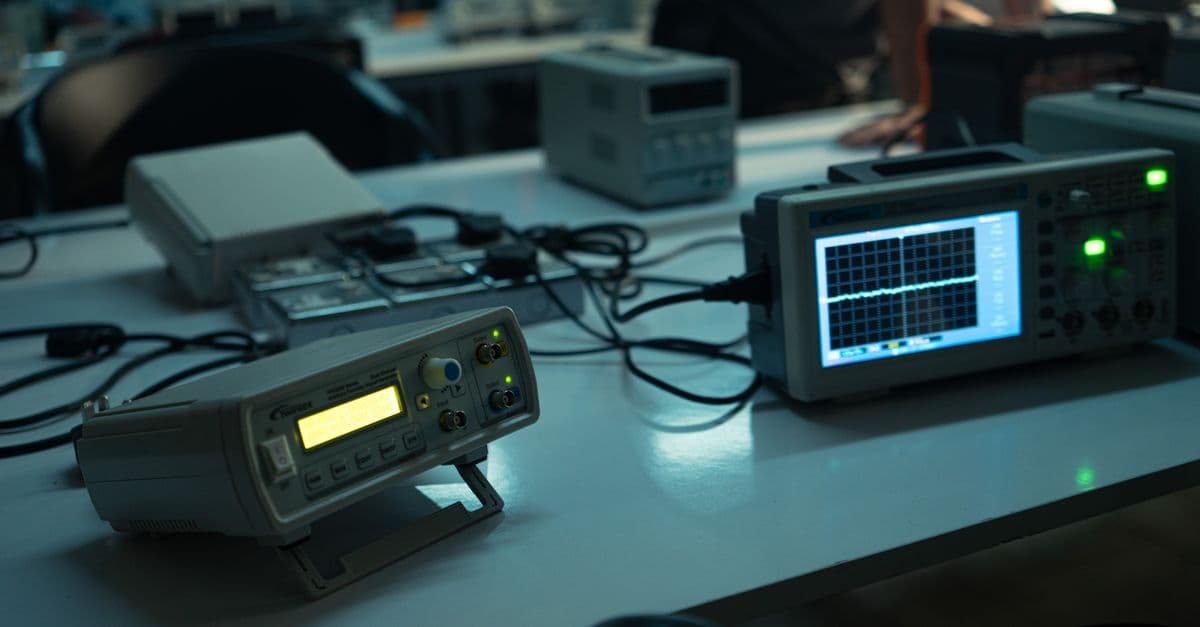
Upload or paste real-time ventilation monitoring data—temperature readings, gas concentrations (CO₂, CH₄, O₂), airflow rates, and pressure differentials—and Claude analyzes patterns to diagnose specific problems like fan failures, duct blockages, recirculation zones, or inadequate fresh air distribution. You get a structured diagnostic report with identified root causes and prioritized corrective actions, ready to present to your team or regulatory inspectors.
Features
interprets temperature gradients, gas concentration trends, and pressure imbalances simultaneously to identify root causes
compares readings across monitoring stations to pinpoint problem locations (intake vs. return, development areas, return splits)
flags when return air quality suggests contaminated air is mixing with fresh intake, indicating system bypass or seal failures
explains why alarms triggered (CO₂ >1.5%, CH₄ >0.8%, O₂ <19%, temp >30°C) and what they indicate about system status
tracks gradual concentration increases or temperature creep over shifts to distinguish temporary spikes from systemic deterioration
ranks recommended fixes by urgency and impact on safety compliance
formats findings with clear reasoning chains suitable for audit trails and compliance reporting
Example Output
Example 1: Fan Failure Detection
Input: CO₂ rising from 0.8% → 1.2% → 1.8% over 3 hours; intake temperature steady at 22°C but return temp only 24°C (normally 28°C); airflow rate dropped 15%.
Output:
- Diagnosis: Main ventilation fan operating at reduced capacity
- Root cause: Probable bearing wear or belt slip (flow decrease without temperature compensation)
- Evidence: CO₂ accumulation despite constant sources indicates inadequate air exchange; return air cooler than expected suggests lower circulation velocity
- Action: Inspect fan motor and drive coupling within 2 hours; prepare backup fan
Example 2: Duct Obstruction
Input: Station A (intake duct) reads 21°C, 0.3% CO₂; Station B (10m downstream) reads 26°C, 1.1% CO₂; Station C (return) reads 24°C, 0.9% CO₂. Pressure differential between A-B dropped 8%.
Output:
- Diagnosis: Partial blockage in intake duct between stations A and B
- Root cause: Dust accumulation or collapsed section restricting flow
- Evidence: Localized temperature jump and pressure loss; CO₂ spike in confined zone suggests stagnant air
- Action: Inspect duct 5–10m from intake; clear debris or repair collapse; pressure should return to baseline
Example 3: Recirculation Zone
Input: Return split reading shows O₂ dropping to 19.2% (marginal); intake shows 20.8% O₂; temperature in return area 31°C vs. 23°C intake.
Output:
- Diagnosis: Return air recirculating into intake pathway
- Root cause: Inadequate spatial separation, compromised intake sealing, or uncontrolled return air leakage
- Evidence: Depleted O₂ in return suggests mixing; temperature inversion indicates hot air reversing into fresh air circuit
- Action: Inspect intake seals, verify return discharge points away from intake; increase intake flow if infrastructure allows
What's Included
- ventilation-issue-diagnosis.md: diagnostic framework with decision trees for interpreting multi-parameter anomalies
- Monitoring Data Interpretation Template: structured checklist for organizing readings (temperature, gas concentrations, airflow, pressure) by station and shift
- Root Cause Decision Matrix: maps symptom combinations to likely failure modes (fan degradation, blockages, recirculation, seal failure)
- Corrective Action Checklist: prioritized remediation steps with estimated response times for different diagnosis types
- Compliance Report Format: document structure for presenting findings to regulators and internal audits
Who It's For
- Mine ventilation engineers — diagnosing system failures and recommending repairs under time pressure
- Underground mine operations managers — understanding ventilation incidents and directing immediate responses
- Mine safety officers — documenting ventilation problems for compliance audits and regulatory reporting
- Shift supervisors — interpreting monitoring alarms and deciding whether to evacuate or escalate to engineering
- Ventilation system technicians — troubleshooting failed equipment based on data patterns
Best For
- Real-time alarm response when monitoring stations breach safety thresholds
- Interpreting spatial patterns across multiple monitoring points to localize problems
- Distinguishing genuine ventilation failures from sensor drift or temporary anomalies
- Post-maintenance verification that system performance restored after repairs
- Trending analysis to detect gradual degradation requiring preventive intervention
- Regulatory documentation and incident investigation reporting
You might also like
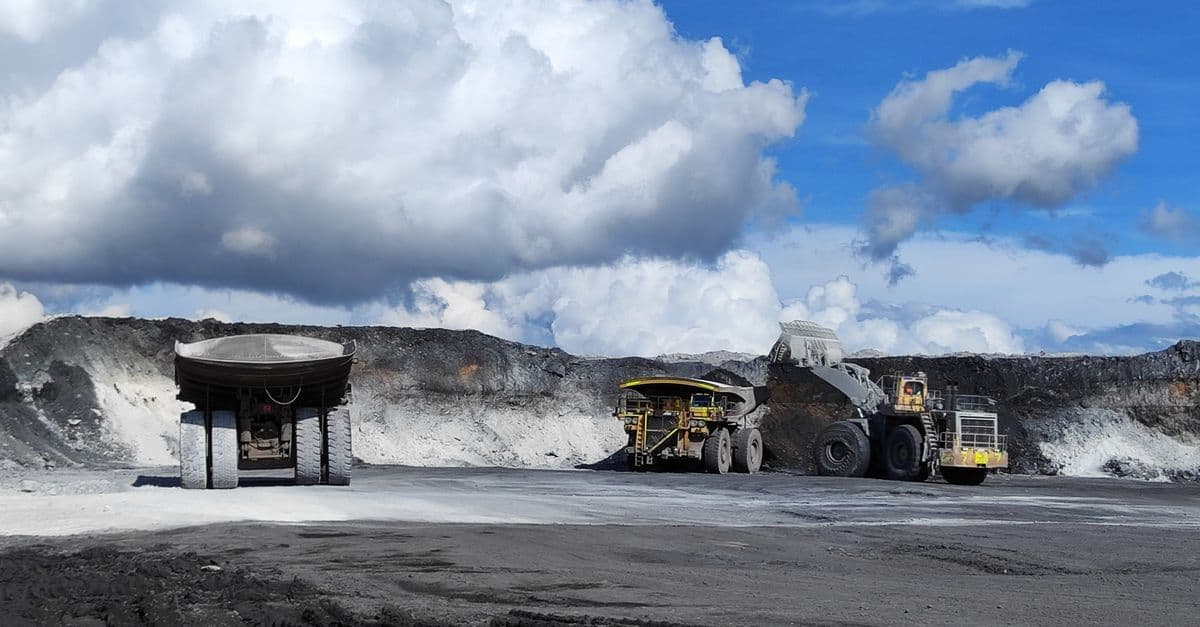
You can develop comprehensive mine closure plans that synthesize environmental, regulatory, and operational factors into executable strategies. This skill helps you identify closure-phase environmental risks (acid rock drainage, tailings stability, pit lakes, dust control), map multi-jurisdictional compliance requirements, structure detailed closure sequences with clear responsibilities and timelines, and integrate stakeholder concerns into planning documentation. The result is a defensible closure plan ready for regulatory submission and community engagement.
 by jkfnc
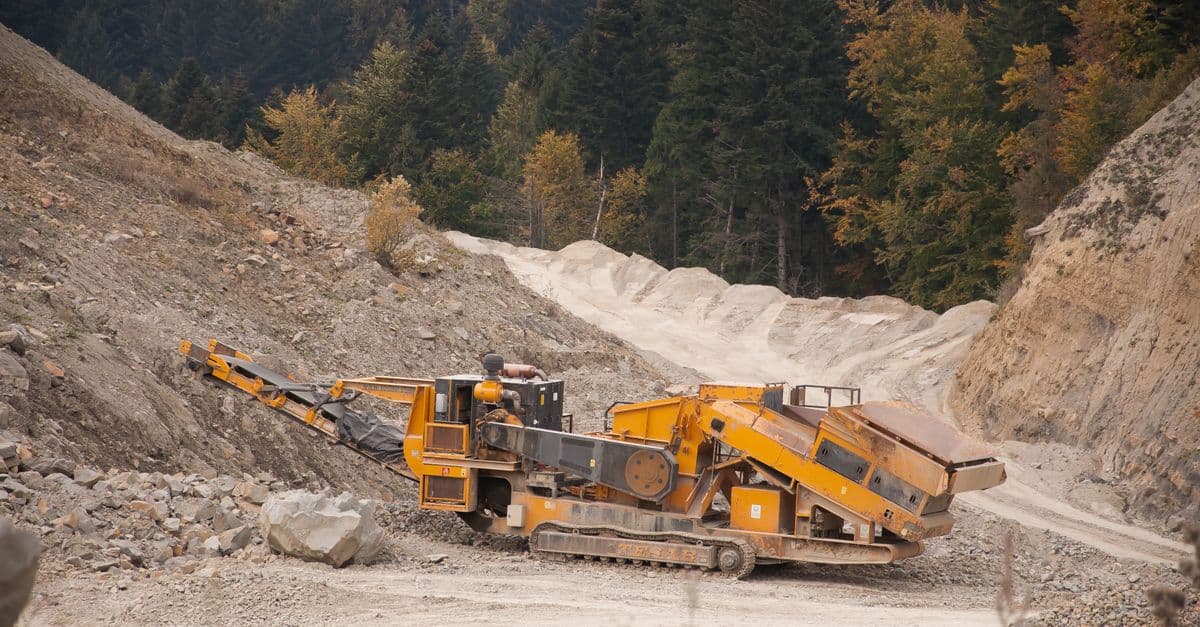
You can systematically diagnose unexpected drops in extraction yield by analyzing feed assay, product assay, temperature logs, residence time, and reagent consumption data. This skill ranks likely failure points by probability, quantifies recovery rate deviations from baseline, and recommends corrective actions tied to process thermodynamics and kinetics—transforming raw data into actionable troubleshooting reports within minutes.
by jkfnc
You can systematically evaluate supply chain vulnerabilities, identify cascading failure modes, and develop detailed contingency plans for humanitarian operations. The skill creates structured risk matrices, maps dependencies between logistics nodes, and generates actionable mitigation strategies tailored to your operational context. You'll receive comprehensive risk assessments that account for geopolitical factors, infrastructure constraints, and resource availability.
by jkfnc
Accelerate supply chain planning for disaster relief, refugee operations, and humanitarian missions by analyzing complex logistics scenarios, identifying bottlenecks, and generating contingency plans. You'll coordinate multi-stakeholder logistics networks, optimize resource allocation across regions, and stress-test supply chains for disruption scenarios—reducing planning time from weeks to hours.
by jkfnc
You can rapidly design comprehensive monitoring and evaluation frameworks tailored to your program context. Claude helps you map indicators to data collection methods, create validated survey instruments, establish quality assurance protocols, and generate sampling strategies—all aligned with your theory of change and evaluation questions.
by jkfnc
You'll design comprehensive agricultural value chains that connect smallholder farmers directly to profitable markets. This skill provides structured assessment frameworks to identify bottlenecks, analyzes organizational models for farmer collectives, and develops inclusive market linkage strategies that strengthen both farmer income and supply chain resilience. You'll produce actionable roadmaps with financial projections, risk mitigation plans, and implementation timelines.
by jkfnc
You can systematically diagnose furnace underperformance by analyzing operational data (temperature profiles, gas composition, pressure drop, throughput, assay data) to pinpoint whether issues stem from feed variability, thermal loss, equipment drift, or process chemistry imbalances. The skill produces a prioritized corrective action plan validated against thermodynamic constraints, enabling you to recover metal recovery rates, reduce refractory wear, cut energy costs, and stabilize slag composition—typically within 24 hours of analysis.
by jkfnc
You can develop comprehensive impact evaluation frameworks tailored to your development interventions, including theory of change models, mixed-method data instruments, and structured analysis plans. The skill helps you specify outcome indicators, design comparison groups, build sampling strategies, and plan qualitative and quantitative analysis approaches that generate credible evidence of program impact.
by jkfnc