


Suspension Tuning & Ride/Handling Optimization
Analyze and optimize suspension parameters for ride comfort and handling performance

What You Can Do
You can rapidly interpret suspension test data, model ride frequency interactions, and predict comfort and handling impacts from parameter changes. This skill helps you evaluate trade-offs between spring rates, damping coefficients, anti-roll bar stiffness, and geometry adjustments—then document engineering justification for tuning decisions before expensive prototype or track testing.
Features
Example Output
Example 1: Damping Optimization Analysis
Input: Test data showing excessive body roll in corners (8.5°) but acceptable ride harshness (vertical acceleration 0.45g). Current damping ratio: 0.35. Target: reduce body roll to <7° while maintaining ride quality.
Output:
- Increase anti-roll bar stiffness by 15-20% (primary lever)
- Increase rebound damping coefficient by 8-12% (secondary adjustment)
- Predicted body roll: 6.8° | Predicted vertical acceleration: 0.48g (acceptable)
- Trade-off summary: minimal ride comfort impact for 1.7° roll reduction
Example 2: Ride Frequency Diagnosis
Input: Vertical acceleration spike at 1.2 Hz during bump testing; customer complaints of "bounciness." Current spring rate: 22 kN/m, mass: 480 kg.
Output: Calculated natural frequency: 1.08 Hz (matches excitation). Recommend increasing spring rate to 26 kN/m → natural frequency shifts to 1.18 Hz, decoupling from road input. Alternative: increase damping ratio from 0.28 to 0.35 for same spring rate (lower cost, trade-off: slightly stiffer feel).
What's Included
- suspension-tuning-optimization.md: Core skill instructions and framework for parameter analysis
- Test Data Interpretation Template: Structured format for organizing suspension measurements and identifying tuning opportunities
- Ride/Handling Trade-off Matrix: Framework for evaluating multi-parameter adjustments and their predicted effects
- Suspension Tuning Checklist: Step-by-step validation checklist for documenting engineering decisions before testing
- Performance Prediction Worksheet: Quick-reference tables for estimating comfort and handling impacts from common parameter changes
Who It's For
- Vehicle Dynamics Engineers — analyzing suspension test data and optimizing parameter sets
- Chassis Engineers — working through ride/handling trade-offs during development
- Performance/Race Engineers — tuning suspension for different tracks or driving conditions
- Engineering Managers — reviewing suspension tuning decisions and traceability for design reviews
- Automotive OEM Technical Teams — accelerating early-stage concept evaluation before expensive simulation/prototyping
Best For
- Interpreting suspension test data and identifying root causes of ride/handling issues
- Modeling ride frequency interactions and predicting comfort impacts
- Evaluating multi-parameter trade-offs (spring rate, damping, anti-roll bar stiffness)
- Generating performance prediction matrices for different vehicle segments
- Documenting suspension tuning decisions with engineering justification before prototype testing
You might also like
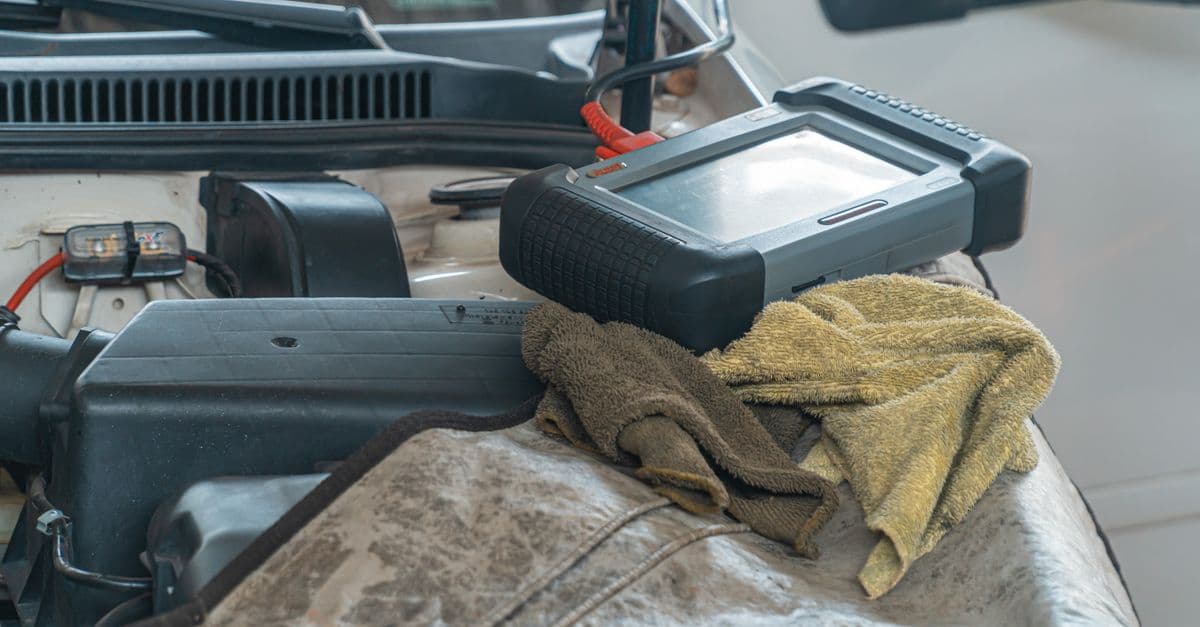
You can decode SAE J2012 standard CAN diagnostic trouble codes (P, B, C, and U codes) with manufacturer-specific extensions, analyze multi-frame fault sequences and temporal patterns across multiple modules, and generate structured diagnostic hypotheses that differentiate between electrical, communication, and algorithmic failures. This skill transforms raw DTC data into actionable investigation vectors, reducing diagnostic analysis cycles from hours to minutes while improving root cause accuracy.

You can quantify sensor fusion performance across object detection, classification, tracking, and localization using standardized metrics. The framework helps you identify systematic failure modes in diverse environmental conditions, document safety-critical gaps, and generate structured evidence packages for ISO 26262 and SOTIF compliance. This enables you to benchmark sensor configurations, define perception KPIs, and support regulatory submissions with rigorous performance documentation.
You can systematically investigate NVH complaints, conduct root cause analysis using transfer path analysis methodologies, plan and interpret diagnostic testing data, and develop evidence-based solutions across the full vehicle lifecycle. This framework guides you through multidisciplinary analysis—covering acoustics, mechanical dynamics, materials, and manufacturing variability—enabling faster problem resolution and more effective cross-functional communication with design, manufacturing, and supplier teams.
You can create multi-phase OTA rollout campaigns tailored to automotive safety constraints, hardware heterogeneity, and regulatory requirements. This skill helps you design canary deployments (2%, 5%, 20%, 100% increments), establish automated rollback thresholds, coordinate dependencies across ECUs, and communicate deployment risks to cross-functional stakeholders—transforming reactive firefighting into proactive, data-driven fleet management.

You'll establish validated simulation architectures that execute cleanly and produce physically meaningful results. This skill guides you through model topology decisions, solver parameter selection, constraint formulation, and pre-run validation checkpoints. You'll identify and eliminate configuration errors—improper contact stiffness, inconsistent degrees of freedom, poorly scaled inertia properties—before wasting CPU hours on failed simulations.
This skill systematically validates your OTA update architecture across five critical dimensions: partition and storage allocation for A/B slots and recovery images, safety and rollback mechanisms including atomic commit strategies, delta compression efficiency for cellular bandwidth optimization, regulatory compliance mapping against ISO 26262 and UN R156, and deployment risk identification including version conflicts and single points of failure. You identify architectural gaps before they cause field failures or fleet immobilization.

You can rapidly correlate vehicle test data (lane change, slalom, ramp steer) with simulation targets, troubleshoot steering feel complaints like heaviness, dead band, and kickback, and analyze how suspension geometry, EPS control strategies, and column stiffness modifications affect handling behavior. This skill organizes complex multi-domain steering data into actionable insights that connect theoretical kinematics to driver feedback.
You can pinpoint the exact source of sensor fusion failures—whether they stem from misaligned camera/LiDAR/radar extrinsic calibration, timestamp desynchronization, data validation gaps, or algorithmic issues. This skill decomposes multi-modal perception errors into sensor-specific contributions and generates quantifiable diagnostic reports that directly guide calibration and testing teams toward fixes rather than blind troubleshooting.