

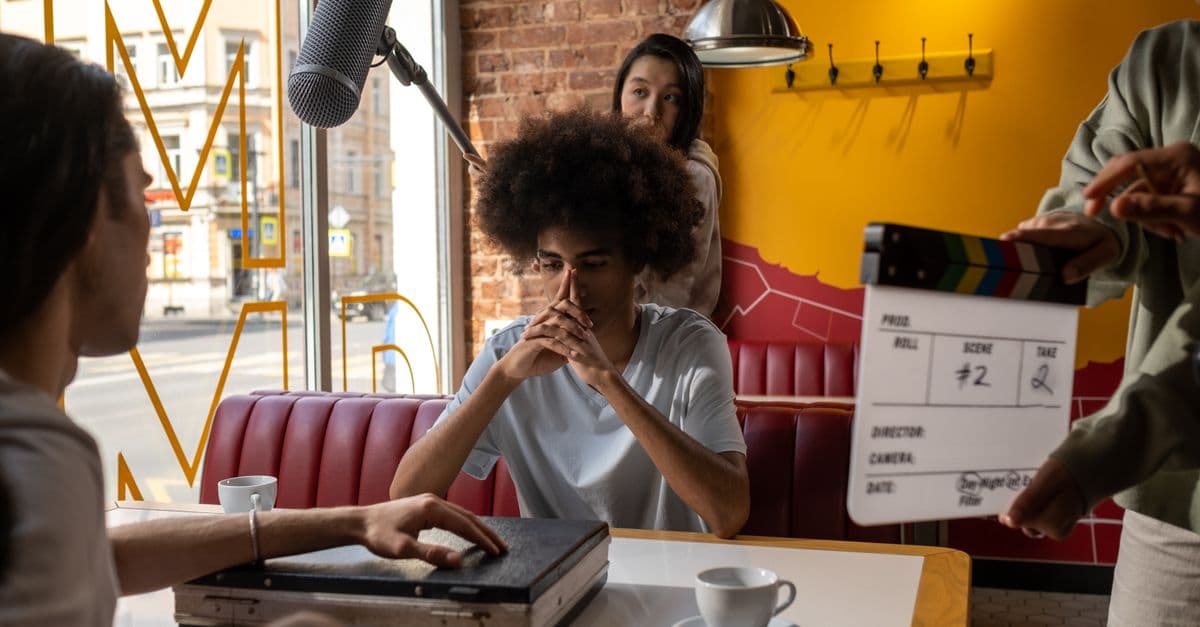
Script Breakdown & Production Scheduling for Film
Break down scripts into production elements and generate optimized shooting schedules

What You Can Do
You can transform a screenplay into a comprehensive production roadmap by identifying every element required—cast, locations, props, vehicles, stunts, visual effects—and organizing them into a logical shooting schedule. This skill helps you cluster shooting days by location and actor availability, estimate resource requirements for each department, and optimize your production timeline to reduce budget overages and crew inefficiencies.
Features
automatically catalog cast, locations, props, stunts, VFX, and vehicles from script text
organize scenes with page counts, locations, cast call requirements, and special production needs
identify opportunities to shoot multiple scenes at same location to reduce logistical costs
group scenes by character availability to minimize per-diem and housing expenses
generate location scouts, prop lists, costume tracking, and stunt coordination summaries
balance creative requirements with practical constraints (weather, permits, actor availability)
flag complex sequences requiring additional crew, equipment, or timeline buffers
Example Output
Example 1: Scene Breakdown Output
- Scene 5 (INT. Police Station - Day) | 3 pages | Cast: Detective Chen, Captain Morris | Extras: 4 Uniformed Officers | Props: Evidence bag, firearms, desk props | Stunts: None | VFX: None | Location notes: Needs interrogation room setup
Example 2: Location Clustering
- Police Station locations (Scenes 5, 8, 12, 24): 4 shooting days | Cast overlap: Chen (all 4), Morris (3/4)
- Harbor locations (Scenes 14, 19, 28): 3 shooting days | VFX requirement: water effects for Scene 28
Example 3: Schedule Recommendation
- Proposed 28-day shoot | 6-week pre-production | Actor Chen on-set 18 days (Days 1-8, 12-15, 22-28) | Budget impact: Consolidating harbors saves 1 location scout + permits
What's Included
- SKILL.md instruction file with breakdown methodology and scheduling best practices:
- Script Breakdown Template: scene-by-scene checklist capturing cast, locations, props, stunts, and VFX
- Production Schedule Generator: framework for organizing scenes by location, actor, and department needs
- Department Prep Checklists: location scouts, props inventory, costume tracking, stunt safety summaries
- Resource Allocation Worksheet: estimate crew, equipment, and logistical requirements by scene type
Who It's For
- Film producers managing pre-production planning and schedule optimization
- Line producers estimating logistics, timeline, and department resource needs
- First assistant directors (1st ADs) preparing detailed day-by-day shooting schedules
- Production managers coordinating location, cast, and equipment allocation across shoot dates
- Independent filmmakers planning efficient shooting within budget and timeline constraints
Best For
- Feature film pre-production planning and feasibility analysis
- TV series and limited series episode scheduling and resource forecasting
- Script revision impact analysis (determining schedule/cost changes from rewrites)
- Location and actor availability optimization to reduce per-diem and shooting days
- Department head prep package generation (locations, props, costumes, stunts, VFX)
You might also like
You can convert raw narrative concepts into fully-structured short-form screenplays engineered for digital platform algorithms and audience retention. This skill helps you identify which story beats are essential versus expendable, optimize your hook for the critical first 3 seconds, and build complete emotional arcs in miniature that treat visual choice as character development. You'll generate production-ready outlines that balance commercial viability with creative intent.

Extract actionable production data from TV scripts to create detailed breakdowns covering locations, cast requirements, effects, stunts, and scheduling implications. Identify budget red flags and logistical conflicts before they impact your season, then communicate clear directorial vision and department-specific requirements to your crew. Optimize multi-episode execution by comparing scripts for resource bottlenecks and pacing problems across your season.

You'll design quick-change costumes that balance theatrical artistry with mechanical precision, creating specifications for Velcro placement, breakaway techniques, and layer sequencing. Claude helps you document exact dresser choreography, troubleshoot change failures during tech week, and develop backup plans for understudies—ensuring seamless transformations that keep performers safe and the production moving.

Generate comprehensive design documentation that translates your creative vision into actionable specifications for your production team. You can create location-specific design briefs with mood boards, color palettes, material selections, and practical constraints organized by character homes, workplaces, or recurring sets. The skill helps you establish visual consistency frameworks that survive multi-camera shoots and location scouts while enabling decorators and construction teams to execute designs independently with precision.

You can develop distinctive costume concepts that translate character psychology and story arcs into visual design language while maintaining production feasibility. This skill helps you establish visual hierarchies across ensemble casts, ensure continuity across episodes or films, and create detailed material specifications that fabricators can execute within timeline and budget constraints. You'll bridge the gap between creative vision and practical costume construction, solving design challenges specific to fantastical worlds.
You can rapidly generate detailed costume specification sheets with measurements, fabric selections, trim details, and dyeing instructions ready for construction teams. The skill helps you research period-accurate details for any historical era or fictional world, then translates that research into actionable design documents. You'll also create quick-change coordination sheets that sync with choreography timing, solve movement compatibility issues before construction, and develop sustainable costume solutions within budget constraints.
Transform vague or complex commercial briefs into structured production blueprints. You'll extract technical specifications, identify creative constraints, flag resource gaps, and build realistic budgets and timelines that keep all departments aligned. This skill prevents scope creep, rework, and green-lighting decisions on incomplete information.
You'll transform vague screenplay action descriptions into comprehensive stunt breakdowns that specify camera angles, performer positioning, safety protocols, required equipment, and take-by-take choreography. This skill bridges the gap between creative intent and practical execution, enabling stunt coordinators, safety personnel, and camera operators to work from the same detailed reference—reducing ambiguity, accelerating shoot schedules, and minimizing liability on high-risk sequences.