

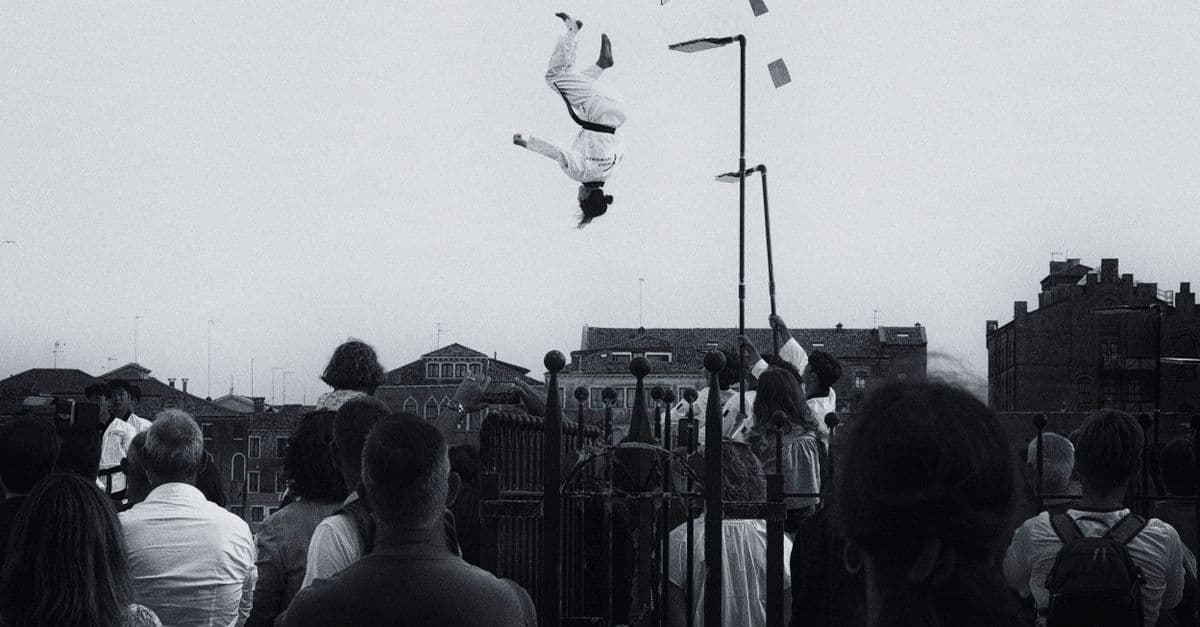
Stunt Action Sequence Builder
Transform screenplays into production-ready stunt breakdowns with safety protocols

What You Can Do
You'll transform vague screenplay action descriptions into comprehensive stunt breakdowns that specify camera angles, performer positioning, safety protocols, required equipment, and take-by-take choreography. This skill bridges the gap between creative intent and practical execution, enabling stunt coordinators, safety personnel, and camera operators to work from the same detailed reference—reducing ambiguity, accelerating shoot schedules, and minimizing liability on high-risk sequences.
Features
Converts screenplay descriptions into numbered shots with specific camera angles, performer positions, and choreography cues
Identifies hazards, establishes safety zones, and specifies protective equipment and medical standby requirements
Details rigging, vehicles, props, pyrotechnics, and specialized gear needed for each sequence element
Creates spatial layouts showing stunt performer placement, camera positioning, and safety perimeter boundaries
Develops weather alternatives, injury protocols, and fallback execution methods for high-risk sequences
Generates one-page crew briefs summarizing sequence flow, key risks, and departmental responsibilities
Estimates rehearsal time, identifies prerequisite skills, and flags sequences requiring pre-shoot practice
Compiles hazard summaries and risk assessments suitable for production insurance and liability tracking
Example Output
Input: "Sarah chases the suspect across rooftops, jumping between buildings, then slides down a fire escape."
Output:
SEQUENCE: Rooftop Chase & Escape (3 days, 12 shots)
SHOT 1-2: Building approach & climb
- Performer: Stunt double (parkour trained)
- Camera: Crane, 40ft height, tracking medium shot
- Safety: Harness rigged to building anchor, spotter on roof
- Equipment: Roof access permit, safety net 15ft below
SHOT 3-5: Rooftop jump sequence (2-story gap)
- Performer: Stunt double with advanced air awareness
- Camera: Two angles—crane wide shot + ground-level catch angle
- Safety: Landing pad (crash pad + air bag), harness backup, medical team with spinal injury protocols
- Equipment: 12x24ft landing surface, ambulance on standby
SHOT 6-8: Fire escape descent
- Performer: Stunt double (experienced with platform work)
- Camera: Side-angle handheld tracking down 4 flights
- Safety: Guardrail inspection, non-slip surface treatment, spotter on escape platform
- Equipment: Fire escape structural engineer sign-off
Crew Briefing Highlights:
- Stunt coordinator oversees all rigging & performer blocking (Day 1: 6 hours rehearsal)
- Safety officer inspects roof load limits & fire escape integrity before shoot
- Medical team (paramedic + AED) positioned on ground throughout sequences
- Weather contingency: Rain shuts down rooftop work immediately
What's Included
- SKILL.md instruction file with breakdown methodology and safety frameworks:
- Sequence breakdown template: Shot-by-shot format with camera/performer/safety/equipment sections
- Safety protocol checklist: Hazard identification, risk levels, and required mitigations
- Equipment requirement matrix: Standardized list mapping sequence elements to gear needs
- Crew briefing one-sheet template: One-page format for quick onset distribution
- Rehearsal time estimator: Guidelines for scheduling practice based on sequence complexity
Who It's For
- Stunt Coordinators — Planning and documenting action sequences for safe, efficient onset execution
- Safety Supervisors/Coordinators — Developing hazard assessments and injury prevention protocols
- First Assistant Directors — Estimating scheduling and resource allocation for stunt-heavy shooting days
- Production Managers — Budgeting equipment, crew, and contingency time for complex action sequences
- Directors — Understanding practical execution feasibility and logistics before committing to screenplay sequences
Best For
- Car chases and vehicle sequences — Breaking down multi-angle shots, performer safety, and rigging requirements
- Rooftop and high-fall sequences — Mapping landing zones, harness systems, and medical protocols
- Fights and hand-to-hand combat — Choreographing performer positioning, impact angles, and camera framing
- Pyrotechnic and explosion sequences — Documenting burn zones, blast radius safety, and performer distance requirements
- Water and underwater stunts — Establishing diver safety, equipment needs, and rescue team positioning
You might also like
You can convert raw narrative concepts into fully-structured short-form screenplays engineered for digital platform algorithms and audience retention. This skill helps you identify which story beats are essential versus expendable, optimize your hook for the critical first 3 seconds, and build complete emotional arcs in miniature that treat visual choice as character development. You'll generate production-ready outlines that balance commercial viability with creative intent.

You can develop distinctive costume concepts that translate character psychology and story arcs into visual design language while maintaining production feasibility. This skill helps you establish visual hierarchies across ensemble casts, ensure continuity across episodes or films, and create detailed material specifications that fabricators can execute within timeline and budget constraints. You'll bridge the gap between creative vision and practical costume construction, solving design challenges specific to fantastical worlds.
You can rapidly generate detailed costume specification sheets with measurements, fabric selections, trim details, and dyeing instructions ready for construction teams. The skill helps you research period-accurate details for any historical era or fictional world, then translates that research into actionable design documents. You'll also create quick-change coordination sheets that sync with choreography timing, solve movement compatibility issues before construction, and develop sustainable costume solutions within budget constraints.
Transform vague or complex commercial briefs into structured production blueprints. You'll extract technical specifications, identify creative constraints, flag resource gaps, and build realistic budgets and timelines that keep all departments aligned. This skill prevents scope creep, rework, and green-lighting decisions on incomplete information.
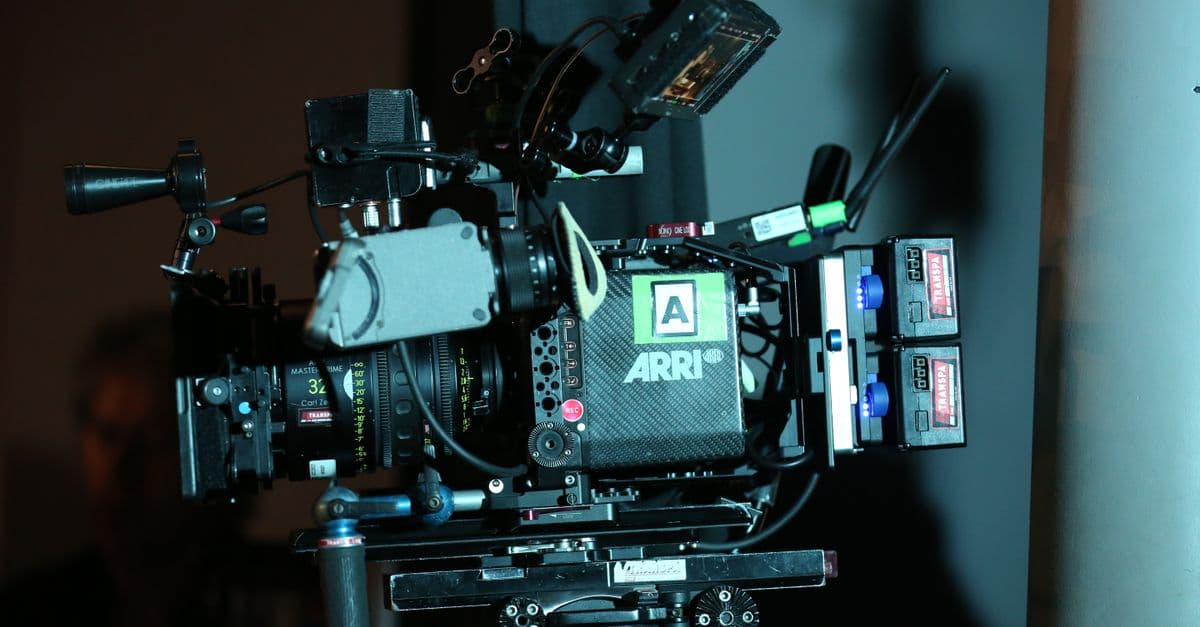
You can systematically assemble complete financing packages tailored to different investor profiles—from angel investors to hedge funds to production companies. This skill helps you build data-backed prospectuses, detailed production budgets with line-item justifications, multi-scenario financial projections, and compelling pitch narratives that demonstrate both creative vision and fiscal responsibility. You'll create documents that meet SEC Reg D compliance requirements and position your project for successful funding conversations across equity, gap financing, presales, and tax incentive structures.
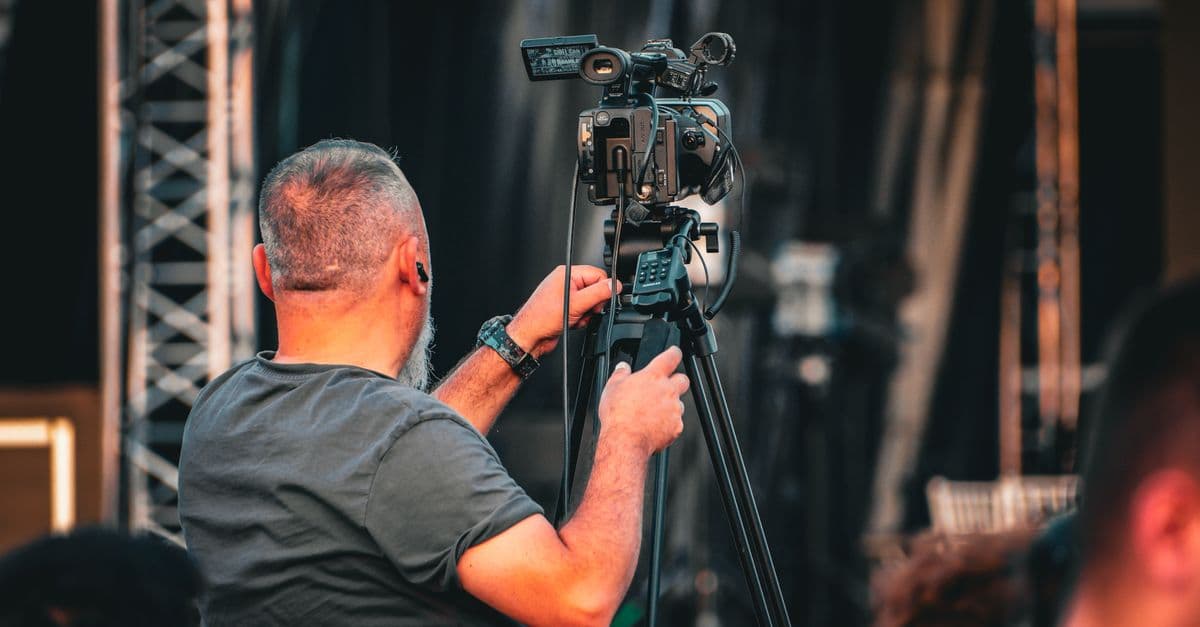
You can diagnose structural problems in episode outlines and drafts by mapping story beats against industry-standard act break positions, calculating pacing metrics, and comparing your structure to successful produced episodes in your genre. This skill helps you identify why scenes feel rushed or sluggish, ensure emotional and comedic beats land at the right moments, and adapt structures when switching between different episode formats.
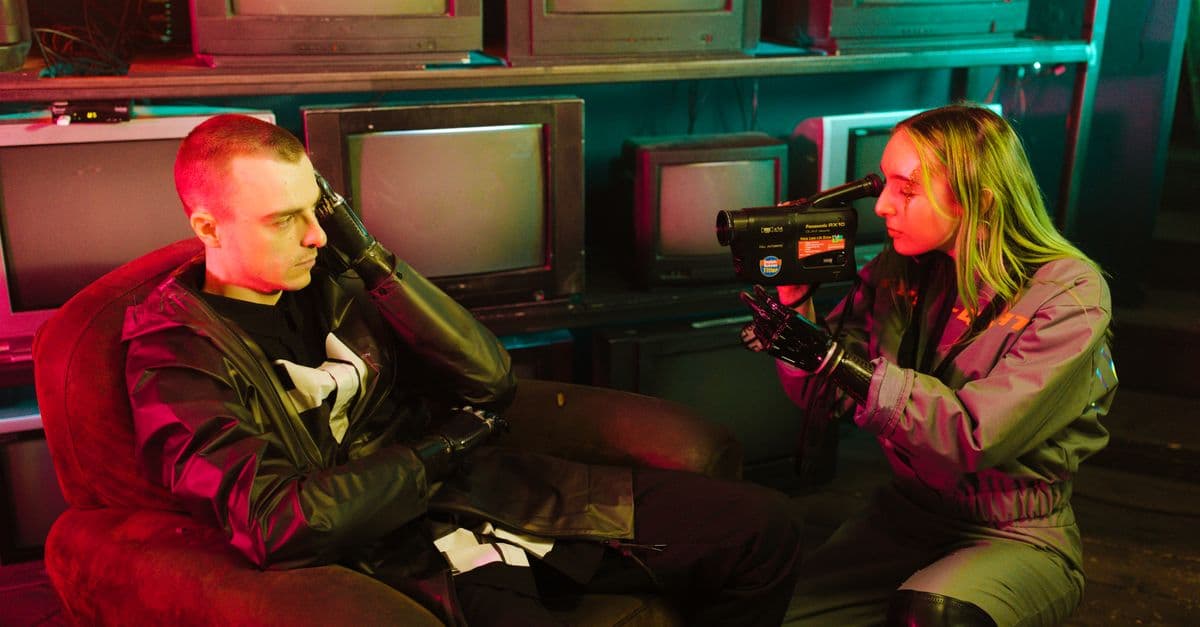
You can extract critical intelligence from screenplays across five interconnected layers: narrative structure and story beats, character trajectories and arc requirements, location and logistics mapping, technical production demands, and thematic/tonal anchors. This skill transforms passive script reading into actionable pre-production strategy that informs casting decisions, department head briefings, budget allocation, and your shot list approach—preventing blind spots and identifying bottlenecks early.

Analyze screenplays, location scouts, and production designs to generate detailed budget estimates organized by department (below-the-line and above-the-line). You get line-item justifications, comparative cost analysis across different production approaches, and contingency planning scenarios (10%, 20%, 30% overages) that help you identify cost drivers and catch budget errors before production begins.