


Implant Case Analysis and Treatment Planning
Structure complex implant cases with bone assessment and surgical treatment planning
What You Can Do
You can input patient radiographs, medical history, and clinical presentation to receive structured case analysis that evaluates bone architecture, identifies anatomical constraints, assesses surgical complexity, and develops evidence-based treatment plans. Claude generates comprehensive documentation including decision rationale, alternative treatment modalities, risk stratification, and patient communication summaries—enabling consistent, defensible clinical decision-making across straightforward single implants to complex multi-unit rehabilitations.
Features
systematically evaluate ridge morphology, volume, density, and proximity to vital structures from CBCT or radiographic descriptions
integrate medical comorbidities, surgical history, medications, and functional/esthetic demands into case complexity scoring
generate pros/cons for delayed vs. immediate implants, staged grafting, sinus elevation, ridge augmentation, and prosthetic designs
identify medical optimization needs, anatomical concerns, and complications risk before surgery
create detailed treatment sequences with implant positioning strategy, grafting protocols, and staged timelines
define crown/bridge design parameters, implant angulation needs, and restoration complexity
record decision rationale and evidence basis for insurance pre-authorization and teaching purposes
generate summaries explaining plan complexity, alternatives, and expected outcomes in lay language
Example Output
Example 1: Severe Ridge Atrophy Case
Input: 58-year-old with 15mm anterior maxillary ridge, resorbed to bone level, needs 4-unit anterior bridge
Output:
- Bone Assessment: Horizontal atrophy 6mm, vertical remaining 8mm at crest; inadequate for standard 4×10 implants without augmentation
- Treatment Plan: Two-stage approach — (1) Block graft from ramus with 4-month osseointegration, then (2) 4×11.5 implants placed with 6-month healing before prosthetics
- Risk Factors: Surgical site morbidity 15%, graft resorption 2-3mm expected, extended timeline 10+ months
- Alternatives Compared: Zygomatic implants (avoided due to patient preference/reversibility), immediate implants with xenograft (lower success <85% in this volume)
Example 2: Medical Comorbidity Assessment
Input: 72-year-old diabetic (HbA1c 8.2), on bisphosphonates 6 years for osteoporosis, needs posterior mandibular implant
Output:
- Complexity Score: High (medical optimization required)
- Medical Concerns: Poor osseointegration risk (diabetes), medication-related osteonecrosis risk from IV bisphosphonates
- Pre-operative Optimization: Endocrinology consultation, HbA1c target <7.5, oral surgeon experience with bisphosphonate patients
- Surgical Modifications: Atraumatic technique, periosteal reflection minimal, saline irrigation only (no chlorhexidine)
- Recommendation: Proceed with enhanced monitoring, delayed implant loading 6 months, antibiotic prophylaxis extended
What's Included
- SKILL.md: complete instruction file with case analysis framework, decision trees, and documentation protocols
- Bone Assessment Template: structured checklist for radiographic analysis (volume, density, morphology, vital structure proximity)
- Patient Risk Stratification Worksheet: medical/surgical complexity scoring matrix
- Treatment Modality Comparison Framework: pros/cons table for surgical approaches and restoration designs
- Clinical Documentation Outline: sections for decision rationale, alternatives considered, and risk mitigation strategies
Who It's For
- Oral and maxillofacial surgeons — planning implant cases and developing surgical strategy
- General dentists with implant credentials — evaluating case complexity before referral or treatment decision
- Dental residents/fellows — standardizing case analysis and clinical reasoning during training
- Prosthodontists — collaborating on complex restoration design and implant positioning requirements
- Surgical team coordinators — preparing pre-authorization documentation and patient communication materials
Best For
- Complex multi-unit implant rehabilitations with bone augmentation needs
- Patients with severe ridge atrophy requiring grafting or alternative modalities
- Medical comorbidity assessment and surgical risk stratification
- Treatment planning for immediate vs. delayed implant decisions
- Revision cases and complications management strategy
- Insurance pre-authorization documentation with detailed clinical justification
- Patient education summaries explaining plan alternatives and expected timelines
You might also like
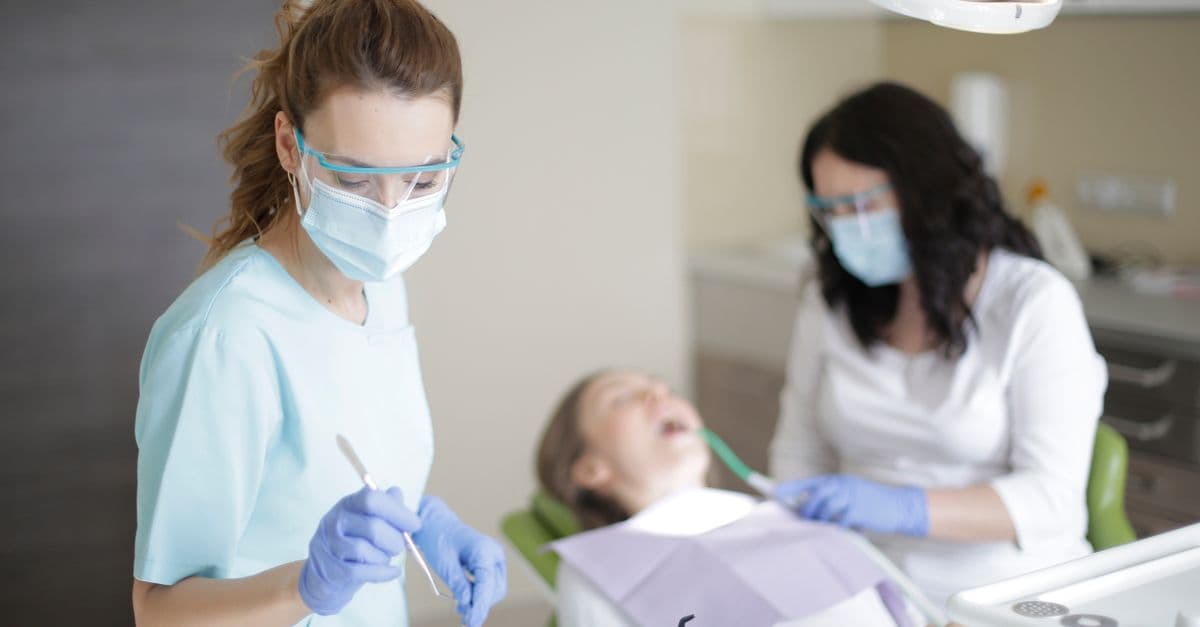
You can systematically develop phase-by-phase orthodontic treatment protocols that synthesize diagnostic data, patient anatomy, and mechanical principles. This skill generates detailed appliance selection recommendations, extraction vs. non-extraction analyses, wire progression sequences, and clinical milestones to guide efficient execution from initial placement through retention for complex malocclusions requiring three-dimensional control.
 by comeonoliver
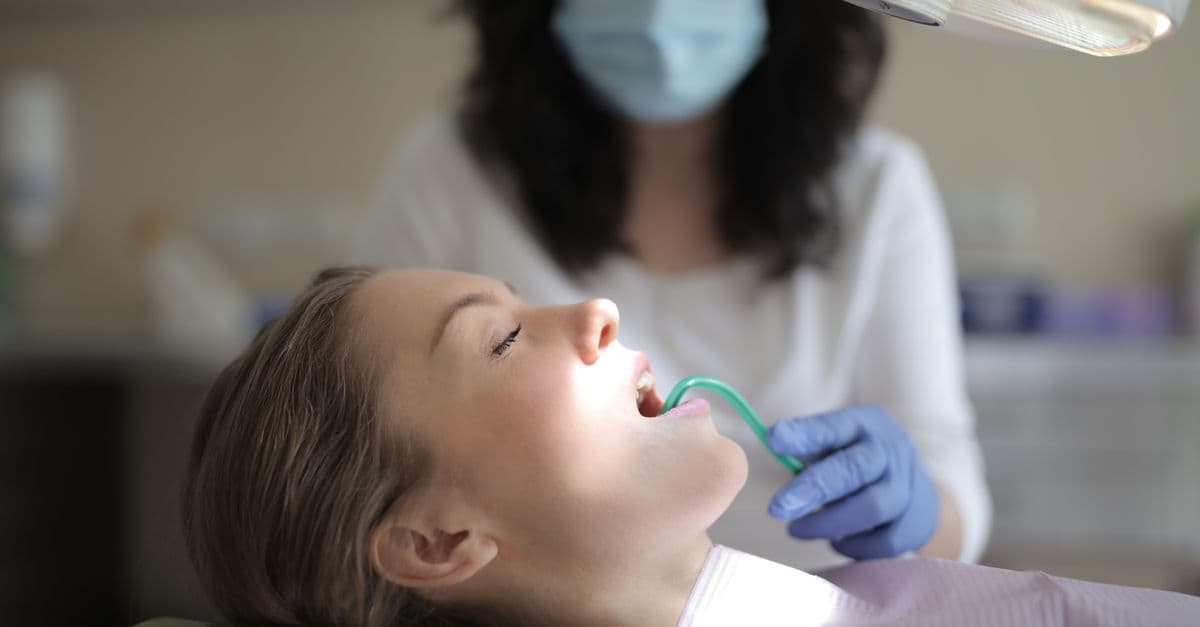
You can systematically analyze crown and bridge cases by inputting diagnostic findings, patient factors, and clinical constraints. Claude generates detailed treatment plans that include material selection matrices comparing metal, ceramic, and hybrid options; clinical decision trees accounting for abutment quality and span length; and customizable patient communication frameworks that support informed consent and case acceptance. The skill operationalizes evidence-based protocols for single crowns, fixed partial dentures, and complex multi-unit restorations.
by comeonoliver
Stop bleeding money on forgotten subscriptions and negotiable expenses. This skill systematically dissects your spending, exposes hidden patterns you've overlooked, and generates a prioritized action plan that typically uncovers $2,000-$8,000+ in annual savings. You'll get specific negotiation templates, insider tips for lowering bills, and a complete expense audit that tells you exactly where your money is really going.
by comeonoliver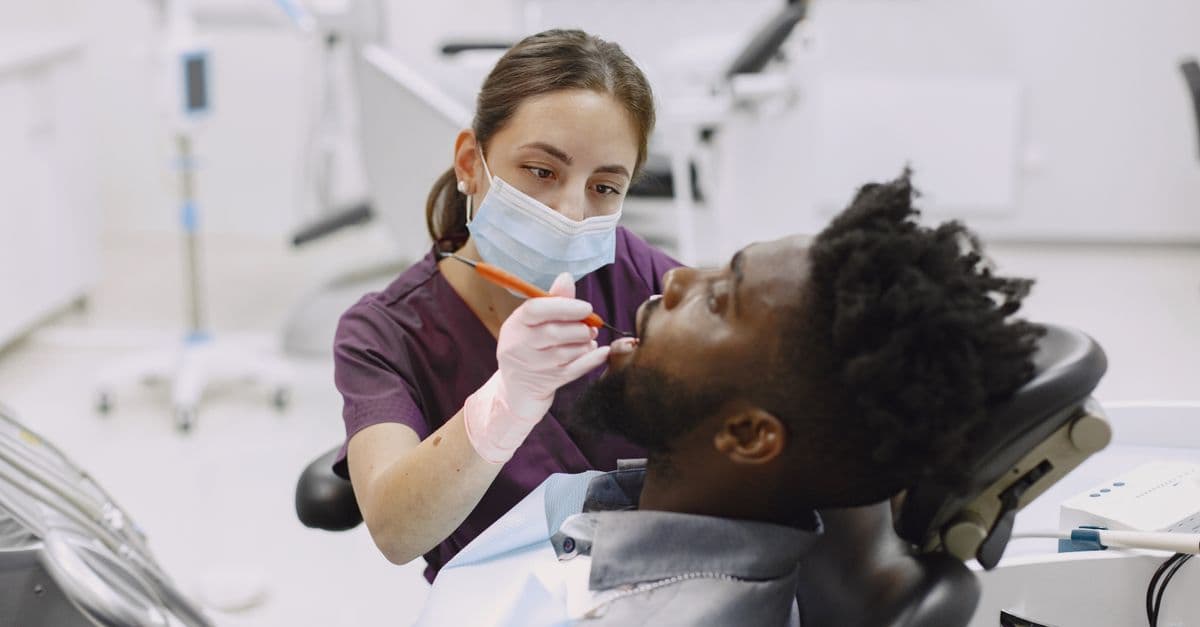
This skill helps you rapidly develop comprehensive treatment plans that integrate current clinical evidence with patient-specific factors and practice guidelines. You'll articulate clear clinical reasoning for every recommendation—why you're suggesting specific sequencing, materials, and modalities—which strengthens patient communication, improves acceptance rates, and creates documentation that withstands insurance scrutiny and liability review.
by comeonoliver
You can systematically evaluate root canal cases by analyzing patient history, radiographic findings, clinical examination data, and anatomical variations to stratify case complexity and identify risk factors. The system generates evidence-based treatment recommendations, distinguishes between straightforward and complex cases requiring specialized protocols, and produces detailed case documentation that supports clinical decision-making and communication with referring dentists.
by comeonoliver
You can transform patient presentations into evidence-based crown and bridge treatment plans that account for clinical factors (tooth anatomy, bone support, opposing dentition), patient variables (budget, esthetics, longevity), and laboratory requirements. The skill guides systematic case analysis, material and design selection, treatment sequencing decisions, and generates patient-ready documentation to support informed consent and case acceptance.
by comeonoliver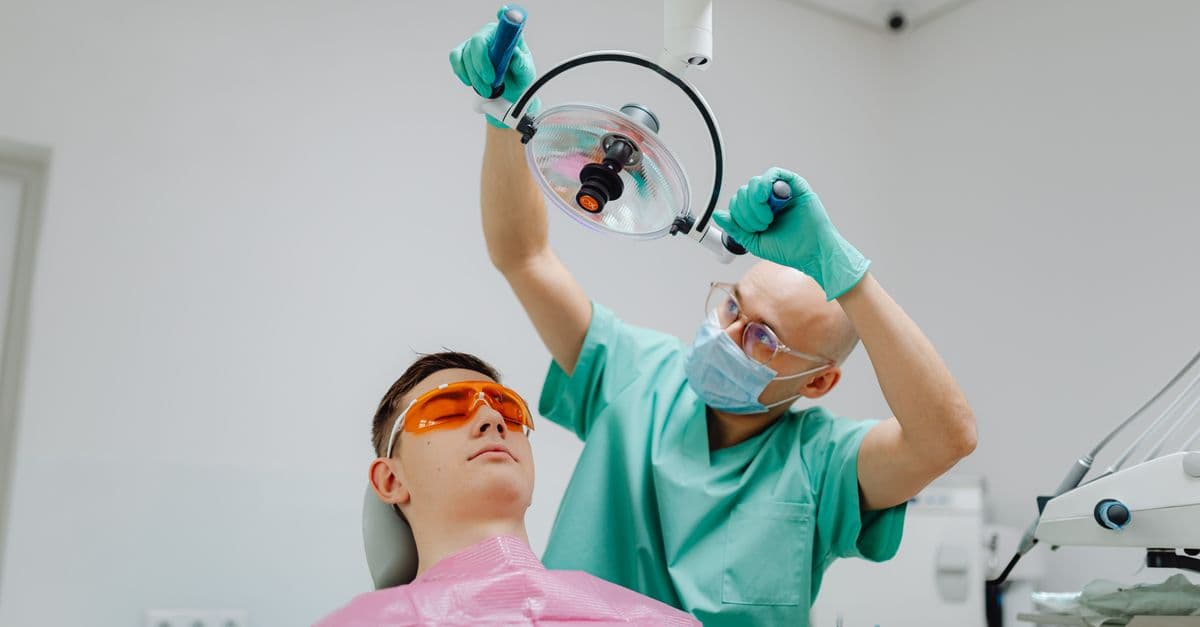
This skill equips you with structured behavioral management protocols tailored to pediatric developmental stages. You'll learn age-specific communication patterns, non-verbal strategies, anxiety-reduction techniques, and guardian communication scripts that transform anxious or uncooperative children into cooperative patients while building positive lifelong dental attitudes. Apply validated techniques like Tell-Show-Do, desensitization, and operant conditioning to de-escalate behavioral problems and plan effective treatment sequences.
by comeonoliver
You create clinically accurate, personalized patient education materials tailored to specific diagnoses, age groups, and literacy levels. This skill produces chairside scripts, take-home instruction sheets, and behavioral messaging that address patient misconceptions, motivate compliance, and explain complex oral health concepts in accessible language. Whether you're educating a teenager about gingivitis prevention or explaining periodontal disease to an older adult, you get customized content ready to deliver immediately.
by comeonoliver