


Pediatric Patient Communication & Behavior Management Guide
Guide anxious pediatric patients through dental care with age-appropriate communication strategies
What You Can Do
This skill equips you with structured behavioral management protocols tailored to pediatric developmental stages. You'll learn age-specific communication patterns, non-verbal strategies, anxiety-reduction techniques, and guardian communication scripts that transform anxious or uncooperative children into cooperative patients while building positive lifelong dental attitudes. Apply validated techniques like Tell-Show-Do, desensitization, and operant conditioning to de-escalate behavioral problems and plan effective treatment sequences.
Features
tailored language and explanation strategies for toddlers (2–3), preschoolers (4–6), school-age (7–12), and adolescents (13–18)
step-by-step desensitization technique to reduce fear and build procedural confidence
breathing exercises, positive reinforcement scripts, distraction techniques, and coping mechanisms for fearful patients
scripts for explaining behavioral expectations, treatment options, and managing parental anxiety that transfers to children
real-time strategies for managing uncooperative, resistant, or trauma-triggered responses during appointments
guidance on timing, indications, and communication around sedation options for severe anxiety
templates for screening pediatric anxiety levels, documenting behavioral triggers, and creating continuity across appointments
visual cues, body positioning, tone modulation, and environmental factors that build trust with pediatric patients
Example Output
Example 1: Pre-operative anxiety script for a 6-year-old (Tell-Show-Do protocol)
Tell: "Today we're going to clean your teeth with a little spinning toothbrush. It tickles and makes a humming sound, but it doesn't hurt."
Show: Demonstrate on your own finger, then on a model. Let child hear the sound.
Do: "Now it's your turn. You're so brave! I'll count to 10 while we clean."
Example 2: Guardian communication for first-time anxious patient
"Your child is showing normal anxiety about new experiences. We use a 'Tell-Show-Do' approach where we explain, demonstrate, and then have your child try. Research shows this builds confidence and positive associations. You're welcome to stay nearby but not in direct sight—this helps them feel independent and brave."
Example 3: De-escalation response to behavioral resistance
"I notice you're feeling worried right now. That's okay—lots of kids feel that way. Let's take a breath together. You can raise your hand anytime you need a break, and we'll stop. You're in control."
What's Included
- SKILL.md: Complete pediatric behavioral framework and clinical protocols
- Age-grouped communication templates: Tell-Show-Do scripts and language patterns for ages 2–3, 4–6, 7–12, 13–18
- Guardian communication toolkit: Pre-appointment scripts, anxiety management explanations, and treatment consent conversations
- Anxiety assessment checklist: Screening tool for identifying anxiety triggers and behavioral risk factors
- De-escalation protocol guide: Real-time response strategies for behavioral problems and emotional dysregulation during procedures
Who It's For
- Pediatric dentists and pediatric dental specialists managing anxious or traumatized child patients
- General dentists treating children and adolescents in mixed-age practices
- Dental hygienists providing preventive care and behavior guidance to pediatric populations
- Dental practice managers designing pediatric-friendly office systems and patient communication protocols
- Dental students and residents training in behavior management and pediatric clinical skills
Best For
- First-time dental patient consultations with anxious or fearful children
- Managing established dental anxiety, phobia, or trauma-related behavioral resistance
- Planning treatment sequences and procedural preparation for cooperative pediatric patients
- De-escalating acute behavioral problems and emotional dysregulation during appointments
- Creating guardian communication strategies that reduce parental anxiety transfer to children
- Designing office protocols and screening systems for pediatric behavioral risk assessment
You might also like
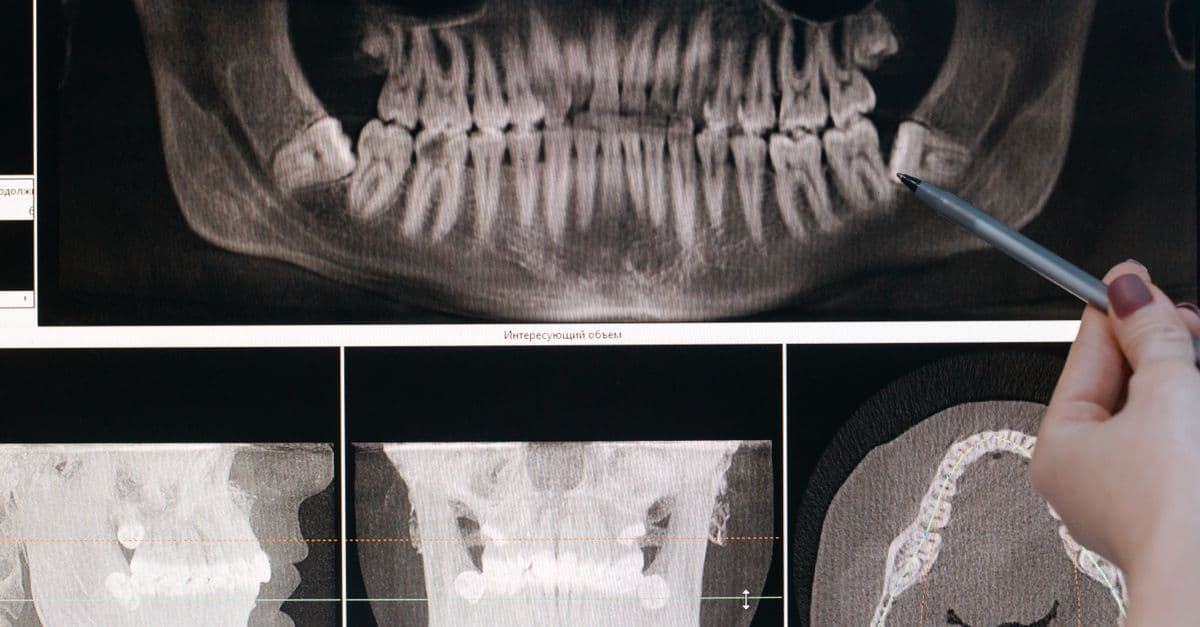
Transform raw facial trauma presentations into standardized, clinically actionable assessment documents. You input patient presentation data, imaging findings, and injury mechanisms, and Claude generates comprehensive injury inventories, anatomical relationship documentation, fracture classifications, and risk stratification summaries. The skill synthesizes complex injury patterns into structured formats compatible with trauma registries while flagging critical decision points that require immediate surgical intervention.
 by comeonoliver
You can evaluate water fluoridation levels, coverage gaps, and demographic disparities across populations. This skill helps you draft data-driven community health assessments, create multilingual educational materials addressing common objections, and build implementation timelines with stakeholder communication strategies. You'll generate evidence-based recommendations for municipal decision-makers while identifying vulnerable populations requiring targeted outreach.
by comeonoliver
You create clinically accurate, personalized patient education materials tailored to specific diagnoses, age groups, and literacy levels. This skill produces chairside scripts, take-home instruction sheets, and behavioral messaging that address patient misconceptions, motivate compliance, and explain complex oral health concepts in accessible language. Whether you're educating a teenager about gingivitis prevention or explaining periodontal disease to an older adult, you get customized content ready to deliver immediately.
by comeonoliver
You can systematically develop phase-by-phase orthodontic treatment protocols that synthesize diagnostic data, patient anatomy, and mechanical principles. This skill generates detailed appliance selection recommendations, extraction vs. non-extraction analyses, wire progression sequences, and clinical milestones to guide efficient execution from initial placement through retention for complex malocclusions requiring three-dimensional control.
by comeonoliver
You can systematically evaluate patients with severe skeletal discrepancies and develop coordinated surgical treatment plans that integrate cephalometric analysis, surgical movement simulation, and patient communication strategies. This skill structures the entire pre-operative planning process—from baseline skeletal assessment through surgical consultation readiness—ensuring precise documentation and clear coordination with maxillofacial surgery partners.
by comeonoliver
You can generate complete treatment plans for traditional fixed appliance cases by integrating diagnostic data, skeletal/dental analysis, and biomechanical principles. Claude helps you structure extraction vs. non-extraction decisions, design anchorage control strategies, sequence mechanics systematically, and create patient-facing narratives that explain your clinical rationale. This skill is designed for moderate-to-complex cases where defensible clinical reasoning and treatment efficiency optimization are critical.
by comeonoliver
You can systematically analyze crown and bridge cases by inputting diagnostic findings, patient factors, and clinical constraints. Claude generates detailed treatment plans that include material selection matrices comparing metal, ceramic, and hybrid options; clinical decision trees accounting for abutment quality and span length; and customizable patient communication frameworks that support informed consent and case acceptance. The skill operationalizes evidence-based protocols for single crowns, fixed partial dentures, and complex multi-unit restorations.
by comeonoliver
This skill provides endodontists with a systematic protocol for assessing acute dental trauma cases, establishing urgency levels based on injury type and pulp vitality indicators, and creating documented baseline diagnostics that inform treatment decisions. You'll apply standardized assessment criteria across crown fractures, root fractures, luxation injuries, and avulsions—determining which cases need immediate intervention, which benefit from staged treatment, and which require specialist consultation or referral.
by comeonoliver