


Humanitarian Logistics Optimizer
Optimize humanitarian supply chains and coordinate multi-site relief operations
What You Can Do
This skill analyzes field data from humanitarian operations to forecast supply shortages before they occur, optimize distribution routes across complex geographies, and coordinate inventory across multiple sites. You provide operational data, and Claude delivers actionable logistics recommendations that reduce waste, improve response times, and ensure critical supplies reach those who need them most.
Features
Predict shortages and surpluses by analyzing historical demand patterns, current inventory levels, and operational constraints across all sites.
Minimize travel time and logistics costs by generating optimized distribution routes that account for terrain, weather, security concerns, and vehicle constraints.
Manage inventory transfers, allocate resources based on priority and need, and maintain visibility across all operational locations simultaneously.
Identify trends in beneficiary needs, seasonal fluctuations, and emerging crises by synthesizing data from multiple field reports and operational records.
Flag critical supply situations, anticipate logistics bottlenecks, and prioritize interventions based on severity and impact to vulnerable populations.
Minimize transportation expenses, reduce inventory carrying costs, and identify efficiency gains without compromising service delivery.
Generate detailed handoff schedules, communication plans, and contingency workflows for complex multi-organization relief operations.
Example Output
Route Optimization Result:
Current approach: 3 vehicles, 450 km total, 18 hours
Optimized routes: 2 vehicles, 280 km total, 11 hours
Savings: 150 km distance, $400 fuel costs, 7-hour reduction
Supply Forecast:
- 📊 Dar es Salaam (Medical Supplies)
- Current: 2,400 units
- Projected use (7 days): 2,100 units
- Forecast gap: Day 6 (supply falls to 300 units)
- Recommendation: Resupply by Day 3 with 1,500 units
Multi-Site Coordination Summary:
- Nairobi → Request 500 blankets from regional warehouse
- Kigali → Hold transfers pending assessment (surplus expected Day 4)
- Kampala → Emergency resupply priority (critical shortage flagged)
What's Included
- Field Data Analysis Template: Structured format for collecting and organizing inventory, demand, and logistics data from distributed field sites.
- Demand Forecasting Model: Analyzes historical patterns to predict beneficiary needs over custom time horizons (7 days, 30 days, quarterly).
- Route Optimization Framework: Evaluates multiple routing scenarios considering distance, time, fuel costs, vehicle capacity, and security/accessibility constraints.
- Multi-Site Inventory Manager: Tracks inventory levels across locations, recommends transfers, and flags critical gaps in real time.
- Risk and Impact Assessment: Prioritizes interventions based on number of beneficiaries affected and severity of supply gaps.
- Decision Support Reports: Pre-formatted summaries, recommendations, and implementation checklists for operations leadership and field coordinators.
Who It's For
- Humanitarian Logistics Coordinators
- NGO Operations Managers
- Disaster Relief Response Leaders
- Supply Chain Managers for Relief Organizations
- Emergency Preparedness Planners
Best For
- Emergency supply chain optimization during crises
- Multi-location resource distribution planning
- Forecasting beneficiary demand patterns
- Optimizing vehicle routing for relief missions
- Coordinating cross-border humanitarian operations
You might also like
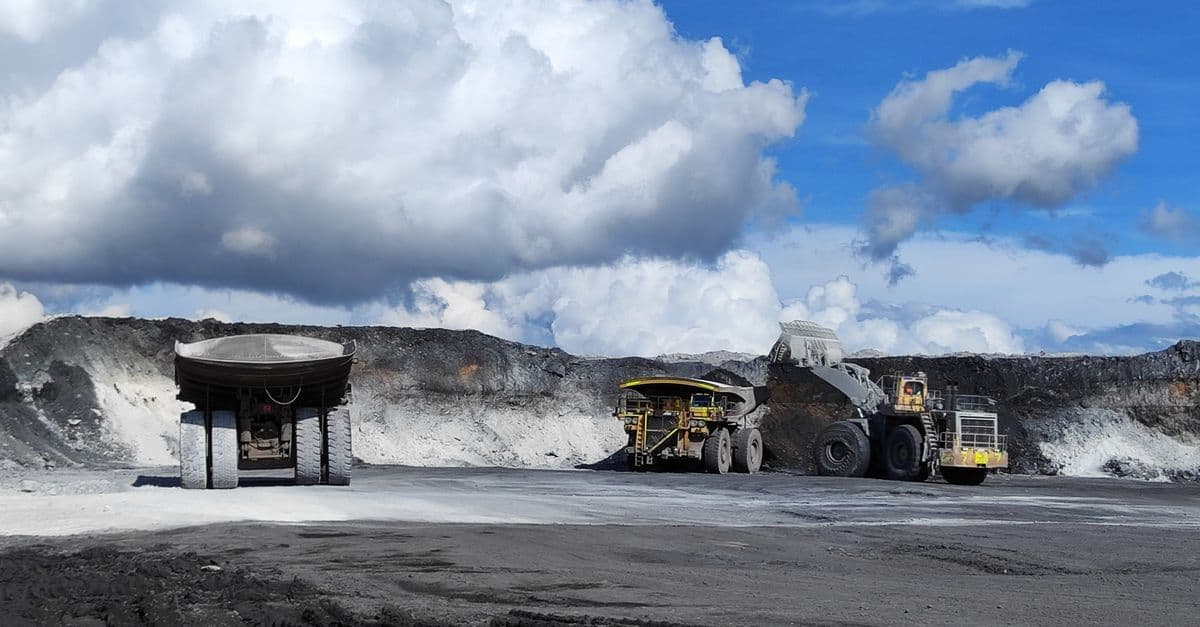
You can develop comprehensive mine closure plans that synthesize environmental, regulatory, and operational factors into executable strategies. This skill helps you identify closure-phase environmental risks (acid rock drainage, tailings stability, pit lakes, dust control), map multi-jurisdictional compliance requirements, structure detailed closure sequences with clear responsibilities and timelines, and integrate stakeholder concerns into planning documentation. The result is a defensible closure plan ready for regulatory submission and community engagement.
 by jkfnc

You can systematically diagnose unexpected drops in extraction yield by analyzing feed assay, product assay, temperature logs, residence time, and reagent consumption data. This skill ranks likely failure points by probability, quantifies recovery rate deviations from baseline, and recommends corrective actions tied to process thermodynamics and kinetics—transforming raw data into actionable troubleshooting reports within minutes.
by jkfnc
You can systematically evaluate supply chain vulnerabilities, identify cascading failure modes, and develop detailed contingency plans for humanitarian operations. The skill creates structured risk matrices, maps dependencies between logistics nodes, and generates actionable mitigation strategies tailored to your operational context. You'll receive comprehensive risk assessments that account for geopolitical factors, infrastructure constraints, and resource availability.
by jkfnc
Accelerate supply chain planning for disaster relief, refugee operations, and humanitarian missions by analyzing complex logistics scenarios, identifying bottlenecks, and generating contingency plans. You'll coordinate multi-stakeholder logistics networks, optimize resource allocation across regions, and stress-test supply chains for disruption scenarios—reducing planning time from weeks to hours.
by jkfnc
You can rapidly design comprehensive monitoring and evaluation frameworks tailored to your program context. Claude helps you map indicators to data collection methods, create validated survey instruments, establish quality assurance protocols, and generate sampling strategies—all aligned with your theory of change and evaluation questions.
by jkfnc
You'll design comprehensive agricultural value chains that connect smallholder farmers directly to profitable markets. This skill provides structured assessment frameworks to identify bottlenecks, analyzes organizational models for farmer collectives, and develops inclusive market linkage strategies that strengthen both farmer income and supply chain resilience. You'll produce actionable roadmaps with financial projections, risk mitigation plans, and implementation timelines.
by jkfnc
Upload or paste real-time ventilation monitoring data—temperature readings, gas concentrations (CO₂, CH₄, O₂), airflow rates, and pressure differentials—and Claude analyzes patterns to diagnose specific problems like fan failures, duct blockages, recirculation zones, or inadequate fresh air distribution. You get a structured diagnostic report with identified root causes and prioritized corrective actions, ready to present to your team or regulatory inspectors.
by jkfnc
You can develop comprehensive impact evaluation frameworks tailored to your development interventions, including theory of change models, mixed-method data instruments, and structured analysis plans. The skill helps you specify outcome indicators, design comparison groups, build sampling strategies, and plan qualitative and quantitative analysis approaches that generate credible evidence of program impact.
by jkfnc