


Food & Beverage SOP & Work Instruction Generator
Generate production-ready SOPs and work instructions for F&B manufacturing
What You Can Do
You can rapidly create detailed, compliance-focused Standard Operating Procedures and work instructions tailored to your food & beverage manufacturing line. This skill generates operator-friendly documentation with embedded safety protocols, HACCP controls, and regulatory compliance built-in, reducing documentation time from weeks to hours while ensuring your team has clear, actionable procedures.
Features
Creates comprehensive Standard Operating Procedures in minutes with industry-standard formatting, structure, and critical control point identification
Incorporates HACCP principles, food safety protocols, allergen management, FDA requirements, and regulatory controls automatically
Generates clear, step-by-step instructions with visual cues, safety warnings, decision trees, and language suited for line workers
Adapts procedures to your specific equipment, production volume, facility layout, and process parameters
Builds in verification steps, sign-off procedures, temperature/time monitoring, and quality assurance gates throughout workflows
Generates SOPs in markdown, Word, and PDF-ready formats for easy sharing, printing, and digital platform deployment
Create multiple related SOPs in one session—from receiving through packaging, sanitation, and equipment maintenance procedures
Example Output
Example SOP Output:
PROCEDURE: HTST Pasteurization Unit Operation
Objective: Ensure thermal processing meets safety standards (72°C for 15 seconds minimum)
Critical Control Point: Temperature maintenance within ±1°C tolerance
Pre-Start Verification:
- Calibrate digital thermometer against reference standard
- Inspect all gaskets and seals for damage
- Verify alarm set points (Low: 71°C, High: 75°C)
Operating Steps:
- Set target temperature to 72°C on control panel
- Start product flow at 45 L/min (verify on flow meter)
- Monitor temperature display continuously
- Document readings every 5 minutes in batch record
- If temperature drops below 71°C → STOP immediately → divert product → notify supervisor
Hazards & Controls: Thermal injury (machine guards), Underpasteurization (continuous monitoring), Product cross-contamination (dedicated lines)
Required PPE: Heat-resistant gloves, safety glasses, closed-toe shoes
Sign-Off: Operator signature, time, supervisor verification upon completion
What's Included
- SOP Template Library: Pre-built templates for receiving, storage, ingredient handling, processing, filling, packaging, labeling, sanitation, and equipment maintenance
- Compliance Framework: Built-in references to HACCP, FDA regulations, allergen protocols, traceability requirements, and food safety modernization act standards
- Risk Assessment Guide: Helps identify biological, chemical, and physical hazards plus critical control points specific to your process type
- Batch Record & Documentation Forms: Associated templates for recording temperatures, times, signatures, deviations, and corrective actions during production
- Operator Training Checklist: Auto-generated training checklists aligned with your SOPs to ensure new staff competency before independent operation
- Deviation & Corrective Action Guide: Templates for documenting out-of-specification conditions and remediation steps to maintain audit readiness
Who It's For
- Food & Beverage Production Managers
- Quality Assurance & Food Safety Officers
- Manufacturing & Process Engineers
- Plant Operations Directors
- Regulatory Compliance Specialists
Best For
- Creating standardized production procedures for new lines
- Ensuring regulatory compliance and traceability documentation
- Training and onboarding production line operators
- Documenting critical control points and hazard controls
- Preparing for food safety audits and regulatory inspections
You might also like

You can build interactive UI components with purposeful motion—transitions, hover states, micro-interactions, and enter/exit animations—or audit existing motion design and receive detailed feedback. The skill operates in two focused modes: Create mode helps you implement motion that serves a clear purpose, while Audit mode evaluates your animations against industry-standard principles and reports specific findings with improvement recommendations.
 by kylezantos

This skill guides you through systematic root cause analysis for manufacturing defects, helping you move beyond surface symptoms to uncover underlying failure mechanisms. You'll build investigation workflows, interpret production data, develop corrective actions backed by evidence-based reasoning, and prevent recurrence through structured follow-up.
by kylezantos
Consolidate manufacturing data across multiple facilities to identify systemic issues and bottlenecks. Analyze production capacity, resource utilization, and supply chain dependencies to generate evidence-based recommendations for optimizing plant-to-plant coordination. Make data-driven decisions about workload distribution, capital investment, and operational priorities across your entire manufacturing footprint.
by kylezantos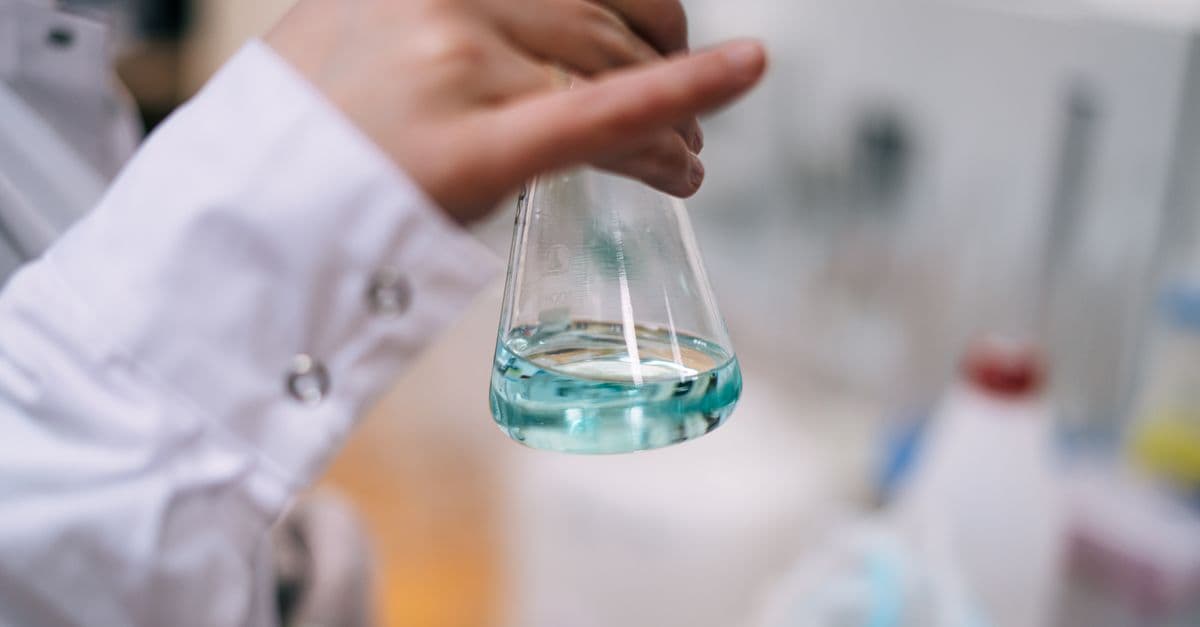
You can systematically analyze process upsets, equipment failures, and quality issues to pinpoint root causes and recommend corrective actions. This skill guides you through structured troubleshooting methodologies, evaluates process parameters against specifications, and identifies safety risks associated with failures. You'll generate documentation suitable for incident reports and continuous improvement initiatives.
by kylezantos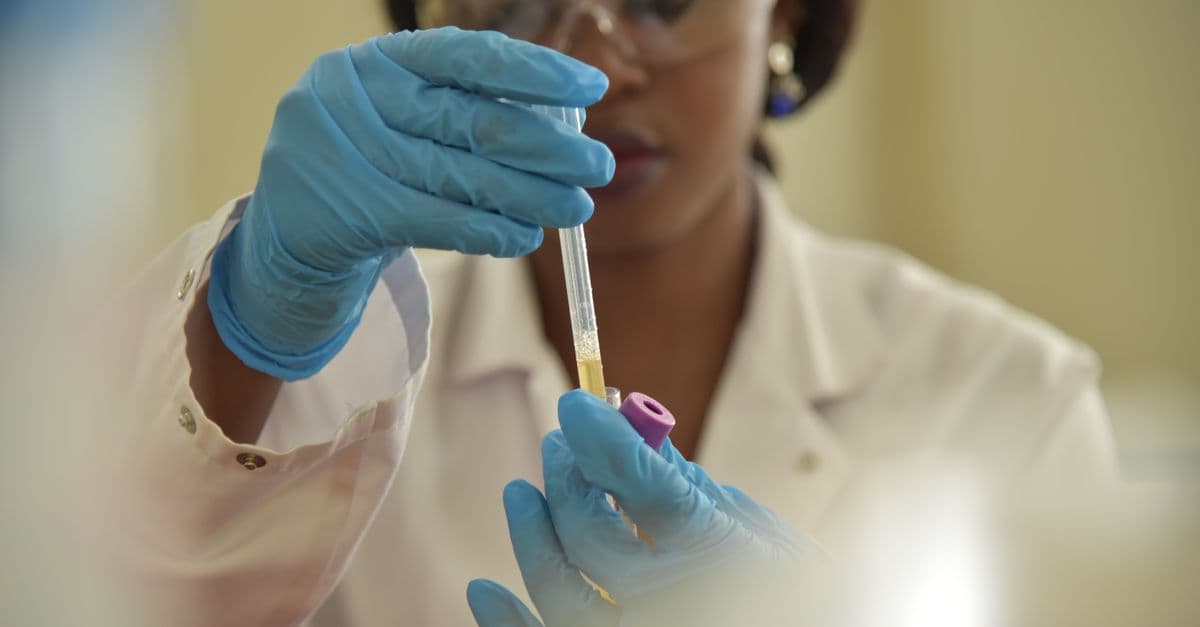
This skill parses experiment metadata and outputs to extract critical metrics from completed machine learning experiments. It reads experiment_summary.yaml to identify runs, pulls final training loss from SLURM logs, extracts accuracy metrics from inspect-ai evaluation files, and generates a clean summary.md report—all while logging the extraction process for reproducibility.
by kylezantos
You can structure and run Kaizen events from start to finish, guiding your team through waste analysis, root-cause identification, and rapid improvement design. The skill generates detailed event agendas, countermeasure documentation, and performance metrics—enabling you to close improvement opportunities within days rather than weeks.
by kylezantos
This skill structures and accelerates improvement initiatives using the PDCA (Plan-Do-Check-Act) framework combined with 5 Why analysis and standardized work templates. You'll build data-driven problem statements, identify root causes systematically, and create actionable improvement plans with built-in controls. It enables teams to move from reactive firefighting to proactive, continuous optimization grounded in evidence.
by kylezantos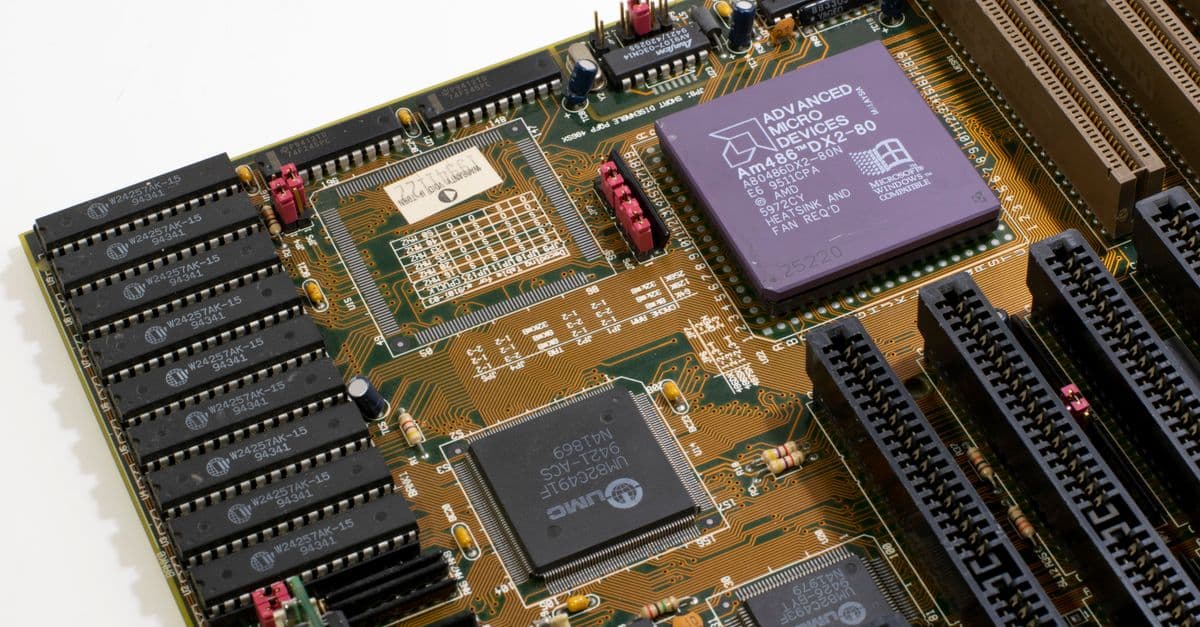
You can diagnose root causes of yield loss, identify process drift in real time, and optimize critical parameters using structured troubleshooting frameworks. The skill helps you prioritize corrective actions based on statistical analysis, accelerate problem resolution, and build repeatable optimization workflows that your team can execute consistently across production runs.
by kylezantos