


Manufacturing Root Cause Analyzer
Diagnose production defects with structured root cause analysis and corrective actions
What You Can Do
This skill guides you through systematic root cause analysis for manufacturing defects, helping you move beyond surface symptoms to uncover underlying failure mechanisms. You'll build investigation workflows, interpret production data, develop corrective actions backed by evidence-based reasoning, and prevent recurrence through structured follow-up.
Features
Structured questioning technique to trace defects from symptoms through layers of causation to identify the true root cause
Visual cause-effect mapping organized across materials, methods, machines, people, and environment to identify contributing factors
Ranks multiple defects by severity, occurrence frequency, and detectability (RPN scoring) to guide investigation priority
Guides you to collect and interpret specific production metrics, test results, and process parameters needed to validate hypotheses
Ensures findings are backed by evidence—batch traceability, test data, process records—not assumptions or anecdotes
Templates for documenting immediate fixes, short-term and long-term preventive measures with accountability, timelines, and success metrics
Coordinates insights from quality, engineering, operations, and supply chain to identify systemic patterns and verify solutions
Example Output
Fishbone Diagram Analysis
Materials: Solder composition inconsistency (Supplier A vs B specifications), flux oxidation during storage, insufficient solder paste volume Methods: Wave solder temperature gradient (±6°C variation outside spec), conveyor belt speed inconsistency, insufficient preheat time Machines: Solder pump wear causing pressure variance, nozzle positioning drift >0.5mm, thermocouple calibration 8°C off People: Operator unfamiliarity with new equipment, insufficient training on supplier specification changes
5-Why Root Cause Chain
- Why do cold solder joints occur? → Insufficient heat during wave soldering
- Why insufficient heat? → Temperature profile drifting outside specification
- Why drifting? → Thermocouple calibration hasn't been verified in 6 months
- Why no verification? → Preventive maintenance schedule wasn't updated after equipment replacement
- Root Cause: Calibration verification dropped from maintenance procedure
Corrective Action Plan
Immediate (24h): Recalibrate thermocouples to ±2°C accuracy; retest failed units from batches 2847–2851 Short-term (1 week): Resume monthly thermocouple verification; audit all recent production batches Long-term (30 days): Integrate PM schedule with equipment tracking system; add checklist to equipment changeout procedure Success Metric: Zero cold joints in next 5,000-unit production run
What's Included
- Investigation Framework: Step-by-step workflow for systematically analyzing defects from data collection through root cause confirmation
- Data Collection Templates: Checklists for identifying and gathering production metrics, test results, batch records, and environmental conditions relevant to your defect
- Root Cause Reasoning Tools: Fishbone diagrams, 5-Why structures, FMEA matrices, and hypothesis validation frameworks
- Corrective Action Documentation: Templates for immediate fixes, preventive measures, responsible parties, timelines, and verification success metrics
- Evidence Verification Checklists: Ensure findings are confirmed through batch traceability, test data, and process records before declaring a root cause
- Quality Findings Reports: Structured summaries of investigation results, evidence, root cause, and approved corrective actions for stakeholder communication
Who It's For
- Quality Engineers
- Production Supervisors
- Manufacturing Engineers
- Continuous Improvement Specialists
- Supply Chain Quality Managers
Best For
- Post-defect investigations and incident reviews
- Recurring quality issues with unclear origins
- Warranty claims and field failure analysis
- Process improvement initiatives focused on defect reduction
- Cross-functional root cause analysis meetings and documentation
You might also like

This skill parses experiment metadata and outputs to extract critical metrics from completed machine learning experiments. It reads experiment_summary.yaml to identify runs, pulls final training loss from SLURM logs, extracts accuracy metrics from inspect-ai evaluation files, and generates a clean summary.md report—all while logging the extraction process for reproducibility.
 by kylezantos

You can systematically implement, audit, and sustain 5S lean methodology across your manufacturing operations. Claude generates customized audit templates, tracks compliance metrics, creates implementation roadmaps, and produces detailed audit reports—all aligned to your facility's specific processes and standards.
by kylezantos
You can structure and run Kaizen events from start to finish, guiding your team through waste analysis, root-cause identification, and rapid improvement design. The skill generates detailed event agendas, countermeasure documentation, and performance metrics—enabling you to close improvement opportunities within days rather than weeks.
by kylezantos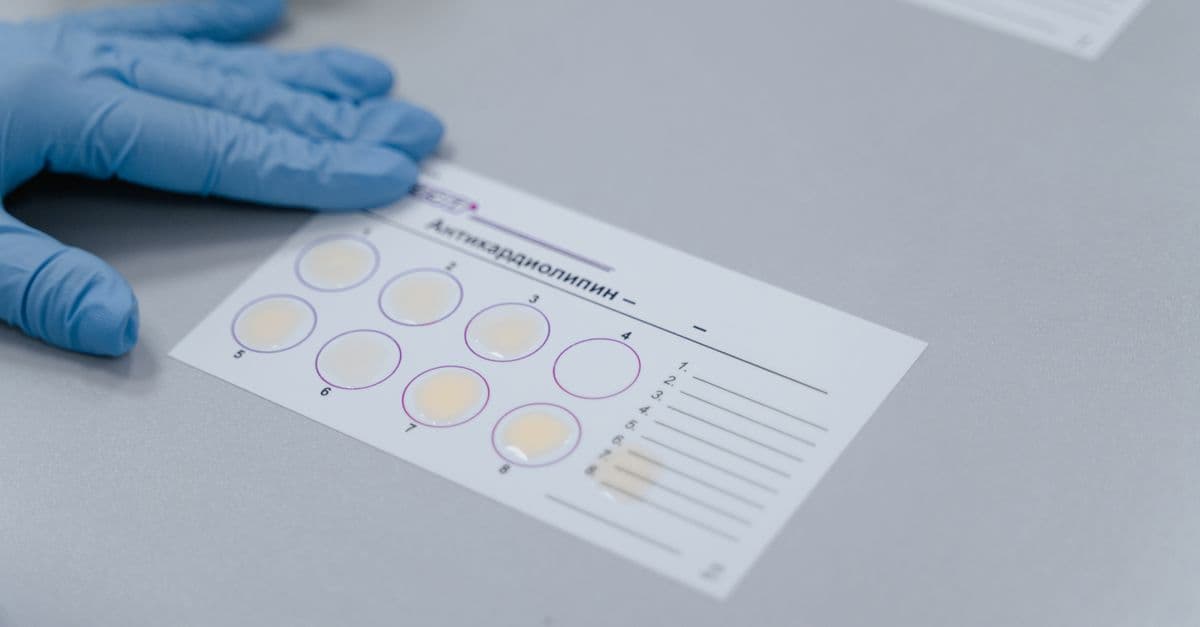
This skill applies structured decision logic to classify, prioritize, and route manufacturing or post-production defects with consistency and evidence-based reasoning. You provide defect details, and Claude triages them into severity categories, recommends dispositions (scrap, rework, accept-as-is, hold), and documents the decision logic so your quality team can audit, adjust rules, and track trends over time.
by kylezantos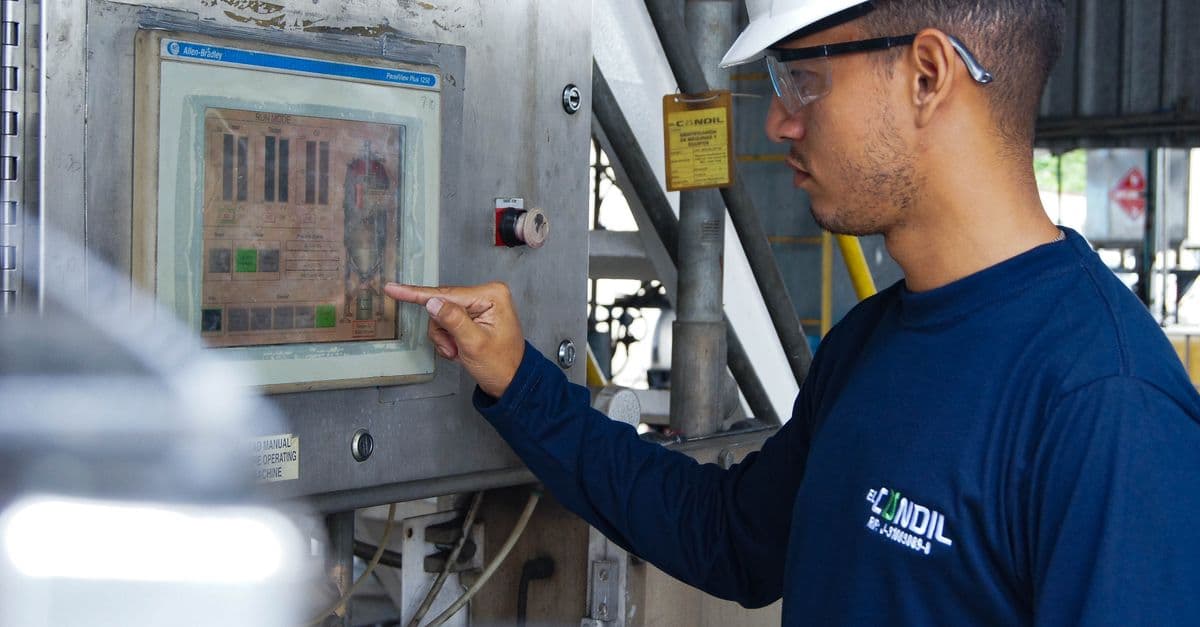
You can systematically identify root causes of production problems using proven troubleshooting frameworks, decision trees, and rapid diagnosis protocols. This skill walks you through impact assessment, root cause analysis, and solution validation to minimize downtime and prevent recurring issues in manufacturing and operations environments.
by kylezantos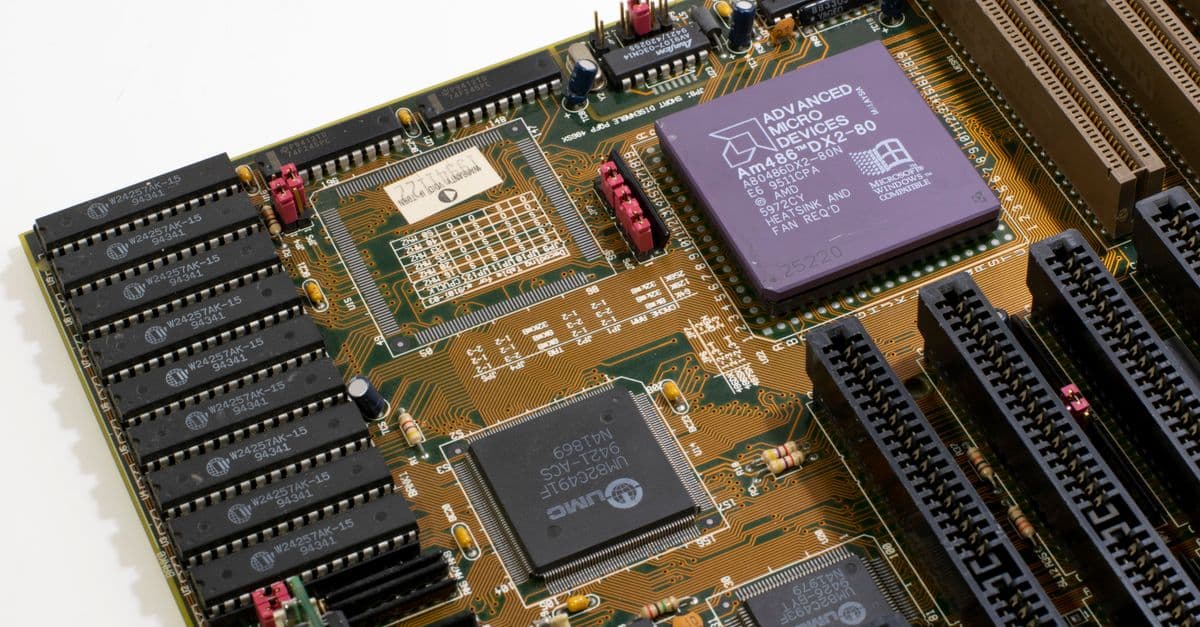
You can diagnose root causes of yield loss, identify process drift in real time, and optimize critical parameters using structured troubleshooting frameworks. The skill helps you prioritize corrective actions based on statistical analysis, accelerate problem resolution, and build repeatable optimization workflows that your team can execute consistently across production runs.
by kylezantos
Analyze production line data to identify bottlenecks, defect patterns, and root causes affecting TV manufacturing operations. Generate detailed corrective action plans with specific interventions, timelines, and expected impact. Transform raw production data into actionable insights for operations teams to improve yield, reduce downtime, and accelerate throughput.
by kylezantos
You can build interactive UI components with purposeful motion—transitions, hover states, micro-interactions, and enter/exit animations—or audit existing motion design and receive detailed feedback. The skill operates in two focused modes: Create mode helps you implement motion that serves a clear purpose, while Audit mode evaluates your animations against industry-standard principles and reports specific findings with improvement recommendations.
by kylezantos