


Environmental Monitoring Data Analysis & Compliance Reporting
Analyze monitoring data, identify exceedances, generate compliance reports
What You Can Do
You can upload multi-parameter environmental monitoring data (air quality, water quality, noise, vibration, dust) and Claude will automatically identify regulatory exceedances, analyze trends across monitoring periods, and generate compliance-ready reports with regulatory context. This skill interprets complex permit conditions, flags non-compliance issues, and supports corrective action planning—cutting hours of manual spreadsheet analysis.
Features
Automatically detects upward/downward trends across air quality, water, noise, and dust monitoring data
Flags results exceeding permit limits and regulatory thresholds with severity classification
Cross-references monitoring results against specific permit requirements and environmental impact assessment conditions
Generates defensible non-compliance documentation with supporting data and timeline analysis
Recommends data-backed mitigation strategies for identified exceedances
Isolates trends caused by seasonal cycles versus operational changes
Compiles pre-operation or background environmental baseline data with statistical summaries
Summarizes permit compliance status across all monitored parameters in executive-ready format
Example Output
Input: Monthly air quality monitoring data (PM10, PM2.5, TSP) from three mine boundary stations, January–June 2024, with permit limits.
Output:
- Exceedance Summary: Station A exceeded PM10 limit on 4 dates; PM2.5 levels trending upward 12% quarter-over-quarter
- Regulatory Impact: Two exceedances in April exceed 3-month permit threshold; corrective action required by 30 June
- Trend Analysis: PM10 spikes correlate with blast events (operational data); baseline noise at Station B elevated during ore hauling hours
- Compliance Report Section: "Mining activities resulted in 4 monitored exceedances across the quarter. Trending analysis indicates mitigation measures implemented in May have reduced subsequent exceedances by 60%. Permit compliance status: conditional—continue monitoring, pending June results."
- Corrective Action Plan: Dust suppression system upgrade recommended; estimated remediation timeline: 3 weeks
What's Included
- SKILL.md: Detailed skill instructions and usage guidelines
- Environmental Monitoring Data Template: Standardized spreadsheet format for air quality, water quality, noise, vibration, and dust parameters
- Permit Condition Checklist: Framework for mapping site-specific permit limits and regulatory thresholds
- Compliance Report Framework: Structured outline for exceedance documentation, trend analysis, and corrective action sections
- Regulatory Reference Guide: Common mining environmental limits (EPA, state, local) and incident reporting triggers
Who It's For
- Mining Environmental Engineers — Conducting monthly/quarterly compliance monitoring and reporting
- Site Environmental Managers — Managing permit conditions and regulatory compliance across operations
- Environmental Consultants — Supporting mining clients with compliance documentation and incident response
- Regulatory Affairs Specialists — Preparing compliance submissions and responding to regulatory inquiries
- Operations Supervisors — Understanding environmental monitoring results and linking data to operational decisions
Best For
- Monthly or quarterly environmental compliance reporting
- Identifying and documenting regulatory exceedances
- Trending environmental metrics across multiple monitoring periods
- Generating incident reports and corrective action plans
- Interpreting permit conditions against raw monitoring datasets
- Creating baseline environmental reports pre-operation
- Supporting regulatory submissions and permit renewal applications
You might also like

You can rapidly analyze complex ore processing datasets to identify performance bottlenecks across flotation, leaching, smelting, and roasting circuits. Claude structures your operational data into diagnostic frameworks, interprets assay results in context of mineralogy and chemistry, and designs targeted experiments with predicted outcomes. You'll generate operator guides, troubleshooting trees, and technical documentation grounded in process chemistry—accelerating root-cause analysis and flowsheet optimization.
 by jkfnc
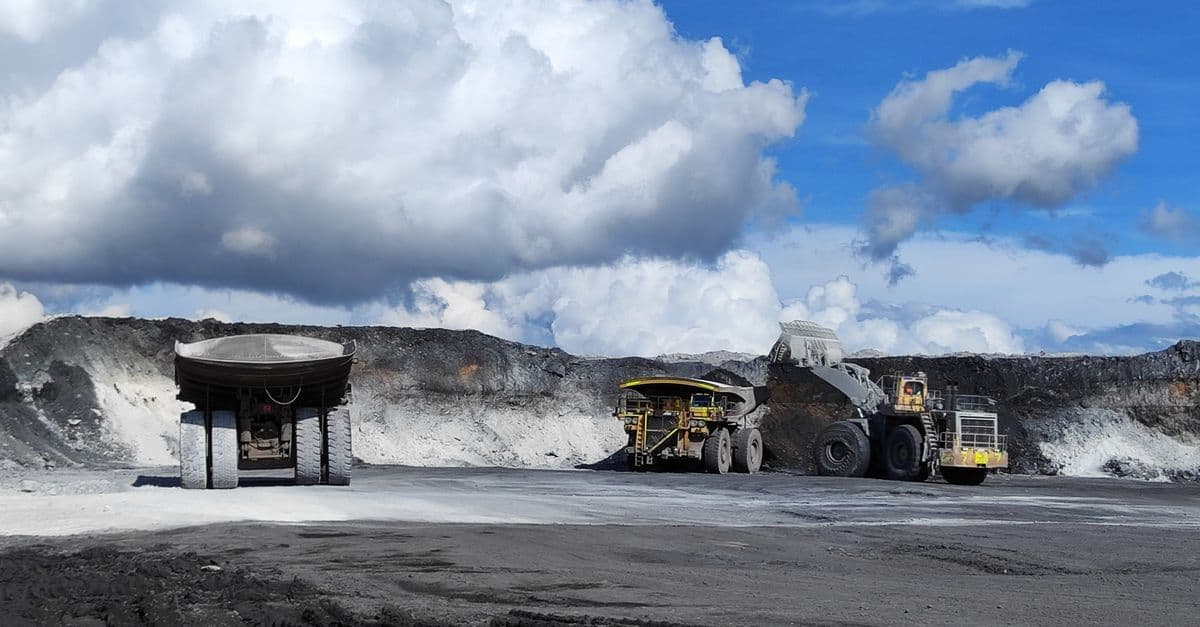
You can develop comprehensive mine closure plans that synthesize environmental, regulatory, and operational factors into executable strategies. This skill helps you identify closure-phase environmental risks (acid rock drainage, tailings stability, pit lakes, dust control), map multi-jurisdictional compliance requirements, structure detailed closure sequences with clear responsibilities and timelines, and integrate stakeholder concerns into planning documentation. The result is a defensible closure plan ready for regulatory submission and community engagement.
by jkfnc
You can systematically diagnose unexpected drops in extraction yield by analyzing feed assay, product assay, temperature logs, residence time, and reagent consumption data. This skill ranks likely failure points by probability, quantifies recovery rate deviations from baseline, and recommends corrective actions tied to process thermodynamics and kinetics—transforming raw data into actionable troubleshooting reports within minutes.
by jkfnc
You can systematically evaluate supply chain vulnerabilities, identify cascading failure modes, and develop detailed contingency plans for humanitarian operations. The skill creates structured risk matrices, maps dependencies between logistics nodes, and generates actionable mitigation strategies tailored to your operational context. You'll receive comprehensive risk assessments that account for geopolitical factors, infrastructure constraints, and resource availability.
by jkfnc
Accelerate supply chain planning for disaster relief, refugee operations, and humanitarian missions by analyzing complex logistics scenarios, identifying bottlenecks, and generating contingency plans. You'll coordinate multi-stakeholder logistics networks, optimize resource allocation across regions, and stress-test supply chains for disruption scenarios—reducing planning time from weeks to hours.
by jkfnc
You can rapidly design comprehensive monitoring and evaluation frameworks tailored to your program context. Claude helps you map indicators to data collection methods, create validated survey instruments, establish quality assurance protocols, and generate sampling strategies—all aligned with your theory of change and evaluation questions.
by jkfnc
You'll design comprehensive agricultural value chains that connect smallholder farmers directly to profitable markets. This skill provides structured assessment frameworks to identify bottlenecks, analyzes organizational models for farmer collectives, and develops inclusive market linkage strategies that strengthen both farmer income and supply chain resilience. You'll produce actionable roadmaps with financial projections, risk mitigation plans, and implementation timelines.
by jkfnc
You can develop comprehensive impact evaluation frameworks tailored to your development interventions, including theory of change models, mixed-method data instruments, and structured analysis plans. The skill helps you specify outcome indicators, design comparison groups, build sampling strategies, and plan qualitative and quantitative analysis approaches that generate credible evidence of program impact.
by jkfnc