

Documentary Narrative Structure Analyzer
Analyze raw documentary materials into structured narrative arcs and optimal story sequencing

What You Can Do
You can synthesize disparate documentary source materials—interview transcripts, archival notes, and footage descriptions—into organized narrative structures. The skill identifies thematic patterns across interviews, diagnoses pacing gaps between segments, reveals missing perspectives or unexplained concepts, and generates multiple narrative approaches before you commit to final assembly. You'll receive actionable editorial recommendations on interview clip prioritization, archival material placement, and optimal reveal sequencing.
Features
Identify recurring themes, conflicts, and character arcs across interview materials and organize by narrative function
Rank interview segments by editorial impact, distinguishing essential story drivers from tangential content
Diagnose missing perspectives, unexplained concepts, unresolved tensions, and holes in your narrative logic
Analyze balance between interview-heavy sequences and visual storytelling; identify where B-roll or archival material should anchor transitions
Test 2-3 alternative story structures (chronological, thematic, character-driven) with annotated turning points and emotional beats
Optimize timing of key information disclosure to maintain audience engagement and editorial momentum
Connect archival materials and found footage to specific narrative moments or thematic needs in your structure
Generate clear outlines and beat sheets for producer/funder communication and editor handoff
Example Output
Input: Interview transcripts from 5 subjects discussing workplace inequality, plus archival material notes (protest footage, corporate documents, family photos).
Output:
Thematic Map:
- Personal Impact Thread: Sandra's job loss → Marcus's wage stagnation → Elena's organizing journey
- Systemic Analysis Thread: Historical context → Policy failures → Corporate accountability
- Emotional Throughline: Frustration → Solidarity → Agency
Pacing Structure:
- Open (0-2 min): Marcus's lived moment (B-roll: workplace floor)
- Interview Cluster 1 (2-8 min): Personal stories establish stakes (Sandra, Elena, Marcus)
- Historical Context (8-12 min): Archival protest footage + Elena's policy explanation
- Resolution (12-15 min): Organizing victory montage + forward-looking interviews
Gap Alert: Missing perspective from corporate management or policy dissenter—consider brief counterargument interview or archival news clip.
Alternative Structure: Reverse chronological (organizing victory first, then cause flashback)—creates mystery but risks losing emotional build.
What's Included
- SKILL.md: Complete skill instruction file with usage guidelines
- Documentary Structure Template: Interview inventory sheet with thematic tagging system
- Narrative Arc Framework: Beat-by-beat outline structure for chronological, thematic, and character-driven approaches
- Gap Analysis Checklist: Diagnostic prompts for identifying missing perspectives, unexplained concepts, and pacing holes
- Interview Clip Prioritization Matrix: Grid for ranking segments by narrative function, emotional weight, and editorial necessity
Who It's For
- Documentary Directors — Planning narrative structure before editor assembly
- Documentary Editors — Organizing interview materials and testing narrative approaches during assembly
- Producers — Communicating story structure to funders, partners, and distribution teams
- Cinematographers/Archivists — Understanding how footage serves narrative function and structural gaps
- First-time Filmmakers — Building coherent narratives from reality without formal structural training
Best For
- Organizing multi-subject interview transcripts into thematic story sequences
- Diagnosing pacing problems and imbalances between talking-head and visual content
- Testing alternative narrative approaches (chronological vs. thematic vs. character-driven) before final assembly
- Identifying missing interview perspectives, unexplained concepts, or unresolved tensions in your story
- Matching archival materials and B-roll to specific narrative moments and structural functions
- Creating story outlines and beat sheets for producer/editor/funder communication
You might also like
You'll transform vague screenplay action descriptions into comprehensive stunt breakdowns that specify camera angles, performer positioning, safety protocols, required equipment, and take-by-take choreography. This skill bridges the gap between creative intent and practical execution, enabling stunt coordinators, safety personnel, and camera operators to work from the same detailed reference—reducing ambiguity, accelerating shoot schedules, and minimizing liability on high-risk sequences.
You can convert raw narrative concepts into fully-structured short-form screenplays engineered for digital platform algorithms and audience retention. This skill helps you identify which story beats are essential versus expendable, optimize your hook for the critical first 3 seconds, and build complete emotional arcs in miniature that treat visual choice as character development. You'll generate production-ready outlines that balance commercial viability with creative intent.
Extract actionable production data from TV scripts to create detailed breakdowns covering locations, cast requirements, effects, stunts, and scheduling implications. Identify budget red flags and logistical conflicts before they impact your season, then communicate clear directorial vision and department-specific requirements to your crew. Optimize multi-episode execution by comparing scripts for resource bottlenecks and pacing problems across your season.

Generate comprehensive design documentation that translates your creative vision into actionable specifications for your production team. You can create location-specific design briefs with mood boards, color palettes, material selections, and practical constraints organized by character homes, workplaces, or recurring sets. The skill helps you establish visual consistency frameworks that survive multi-camera shoots and location scouts while enabling decorators and construction teams to execute designs independently with precision.
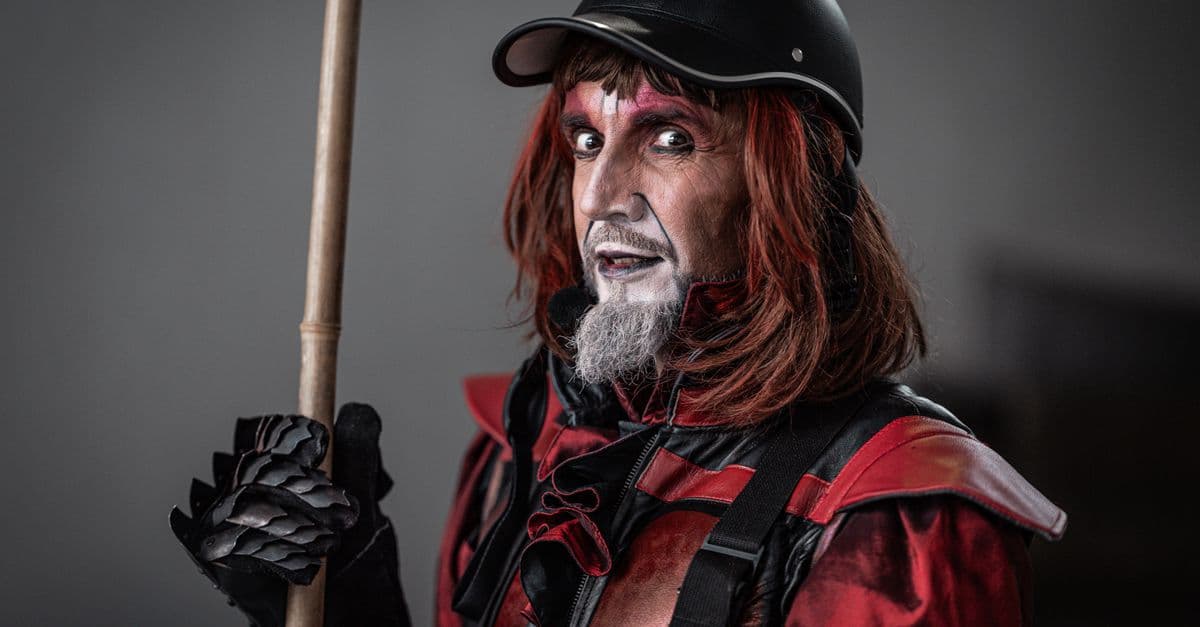
You can develop distinctive costume concepts that translate character psychology and story arcs into visual design language while maintaining production feasibility. This skill helps you establish visual hierarchies across ensemble casts, ensure continuity across episodes or films, and create detailed material specifications that fabricators can execute within timeline and budget constraints. You'll bridge the gap between creative vision and practical costume construction, solving design challenges specific to fantastical worlds.
You can rapidly generate detailed costume specification sheets with measurements, fabric selections, trim details, and dyeing instructions ready for construction teams. The skill helps you research period-accurate details for any historical era or fictional world, then translates that research into actionable design documents. You'll also create quick-change coordination sheets that sync with choreography timing, solve movement compatibility issues before construction, and develop sustainable costume solutions within budget constraints.
Transform vague or complex commercial briefs into structured production blueprints. You'll extract technical specifications, identify creative constraints, flag resource gaps, and build realistic budgets and timelines that keep all departments aligned. This skill prevents scope creep, rework, and green-lighting decisions on incomplete information.

Analyze screenplays, location scouts, and production designs to generate detailed budget estimates organized by department (below-the-line and above-the-line). You get line-item justifications, comparative cost analysis across different production approaches, and contingency planning scenarios (10%, 20%, 30% overages) that help you identify cost drivers and catch budget errors before production begins.