

Dewatering Circuit Troubleshooting & Performance Optimization
Diagnose dewatering issues in 20 minutes. Isolate root causes and rank corrective actions by cost.
What You Can Do
You can rapidly isolate root causes of dewatering underperformance by working through a systematic diagnostic framework that accounts for equipment failure, chemical imbalance, operating conditions, and design mismatch. The skill guides you to collect the right performance metrics, compare them against design specifications, and generate ranked corrective actions weighted by implementation cost and expected impact—cutting diagnostic time from hours to approximately 20 minutes per incident.
Features
distinguishes between equipment, chemistry, operations, and design factors causing performance drift
captures filtrate clarity, moisture content, throughput, recovery rate, and operating conditions for accurate diagnosis
benchmarks actual performance against nameplate and design operating windows to quantify deviations
diagnoses flocculant overdose, polymer degradation, pH drift, and dosing inefficiency with targeted tests
troubleshoots thickener, filter, and centrifuge issues with operation-specific decision trees
ranks corrective actions by implementation cost and expected performance recovery impact
identifies blockages, recirculation losses, and seepage to restore design recovery rates
assesses particle size distribution, clay/silt content, and density changes when switching ore types
Example Output
Example 1: Filtrate Clarity Issue
- Symptom: Cloudiness in thickener overflow after 3 days of normal operation
- Diagnosis: Flocculant polymer chain degradation (age >7 days in high-shear environment)
- Root Cause: Chemistry (not equipment)
- Recommended Actions:
- Replace flocculant batch (low cost, 2-hour lead time) — expected 95% clarity recovery
- Reduce thickener rake speed by 10% to lower shear (zero cost, immediate) — expected 30% improvement
- Check pH drift (potential cause if pH >8.5) — investigation cost <30 min
Example 2: Moisture Above Target
- Symptom: Filter cake moisture 18% vs. 15% design target for 3 consecutive shifts
- Diagnosis: Underflow concentration dropping; thickener not concentrating to specification
- Root Cause: Equipment (thickener rake speed misaligned or scaling)
- Recommended Actions:
- Clean thickener rake arms and drive inspection (scheduled maintenance, high impact) — expected return to 15%
- Reduce feed rate by 5% temporarily to validate thickener capacity (zero cost, 1-hour trial) — expected 1.5% moisture improvement
- Inspect filter cloth for blinding (low-cost inspection, potential 2% impact)
What's Included
- SKILL.md: Complete troubleshooting decision framework with diagnostic logic and performance metric priorities
- Performance Metrics Collection Template: Checklist for capturing filtrate clarity, moisture, throughput, recovery, and operating conditions
- Root Cause Decision Tree: Flowchart to isolate equipment vs. chemistry vs. operations vs. design factors
- Chemical Troubleshooting Checklist: Flocculant overdose, polymer degradation, pH drift, and dosing adjustment diagnosis
- Cost-Impact Action Ranking Matrix: Template to prioritize corrective actions by implementation cost and expected performance recovery
- Equipment-Specific Diagnostic Guides: Thickener, filter, and centrifuge troubleshooting protocols with operation-specific indicators
Who It's For
- Minerals Processing Engineers — diagnosing and optimizing dewatering circuit performance to meet product moisture and recovery targets
- Operations Supervisors — rapidly isolating dewatering issues during shift to minimize downtime and production loss
- Maintenance Engineers — troubleshooting underperforming equipment to determine root cause vs. false diagnosis
- Process Technicians — conducting systematic performance investigations before escalating to engineering
- Project Engineers — evaluating dewatering circuit design changes when switching ore types or processing conditions
Best For
- Troubleshooting filtrate clarity degradation and turbidity issues
- Diagnosing moisture content drift above design targets
- Isolating causes of throughput decline with unchanged feed rates
- Optimizing water recovery rates and identifying recirculation losses
- Assessing performance impact of new ore types or PSD changes
- Validating chemical dosing adjustments and flocculant effectiveness
- Prioritizing corrective actions by cost and expected impact for budget planning
You might also like

You can rapidly analyze complex ore processing datasets to identify performance bottlenecks across flotation, leaching, smelting, and roasting circuits. Claude structures your operational data into diagnostic frameworks, interprets assay results in context of mineralogy and chemistry, and designs targeted experiments with predicted outcomes. You'll generate operator guides, troubleshooting trees, and technical documentation grounded in process chemistry—accelerating root-cause analysis and flowsheet optimization.
 by jkfnc
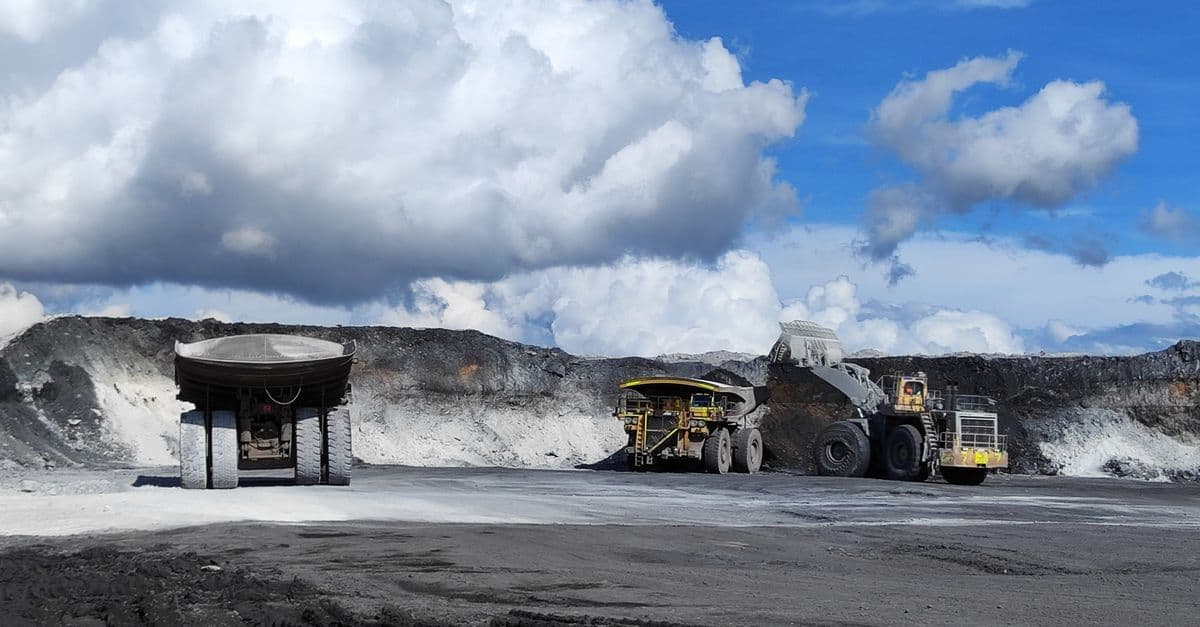
You can develop comprehensive mine closure plans that synthesize environmental, regulatory, and operational factors into executable strategies. This skill helps you identify closure-phase environmental risks (acid rock drainage, tailings stability, pit lakes, dust control), map multi-jurisdictional compliance requirements, structure detailed closure sequences with clear responsibilities and timelines, and integrate stakeholder concerns into planning documentation. The result is a defensible closure plan ready for regulatory submission and community engagement.
by jkfnc
You can systematically diagnose unexpected drops in extraction yield by analyzing feed assay, product assay, temperature logs, residence time, and reagent consumption data. This skill ranks likely failure points by probability, quantifies recovery rate deviations from baseline, and recommends corrective actions tied to process thermodynamics and kinetics—transforming raw data into actionable troubleshooting reports within minutes.
by jkfnc
You can systematically evaluate supply chain vulnerabilities, identify cascading failure modes, and develop detailed contingency plans for humanitarian operations. The skill creates structured risk matrices, maps dependencies between logistics nodes, and generates actionable mitigation strategies tailored to your operational context. You'll receive comprehensive risk assessments that account for geopolitical factors, infrastructure constraints, and resource availability.
by jkfnc
Accelerate supply chain planning for disaster relief, refugee operations, and humanitarian missions by analyzing complex logistics scenarios, identifying bottlenecks, and generating contingency plans. You'll coordinate multi-stakeholder logistics networks, optimize resource allocation across regions, and stress-test supply chains for disruption scenarios—reducing planning time from weeks to hours.
by jkfnc
You can rapidly design comprehensive monitoring and evaluation frameworks tailored to your program context. Claude helps you map indicators to data collection methods, create validated survey instruments, establish quality assurance protocols, and generate sampling strategies—all aligned with your theory of change and evaluation questions.
by jkfnc
You'll design comprehensive agricultural value chains that connect smallholder farmers directly to profitable markets. This skill provides structured assessment frameworks to identify bottlenecks, analyzes organizational models for farmer collectives, and develops inclusive market linkage strategies that strengthen both farmer income and supply chain resilience. You'll produce actionable roadmaps with financial projections, risk mitigation plans, and implementation timelines.
by jkfnc
You can develop comprehensive impact evaluation frameworks tailored to your development interventions, including theory of change models, mixed-method data instruments, and structured analysis plans. The skill helps you specify outcome indicators, design comparison groups, build sampling strategies, and plan qualitative and quantitative analysis approaches that generate credible evidence of program impact.
by jkfnc