

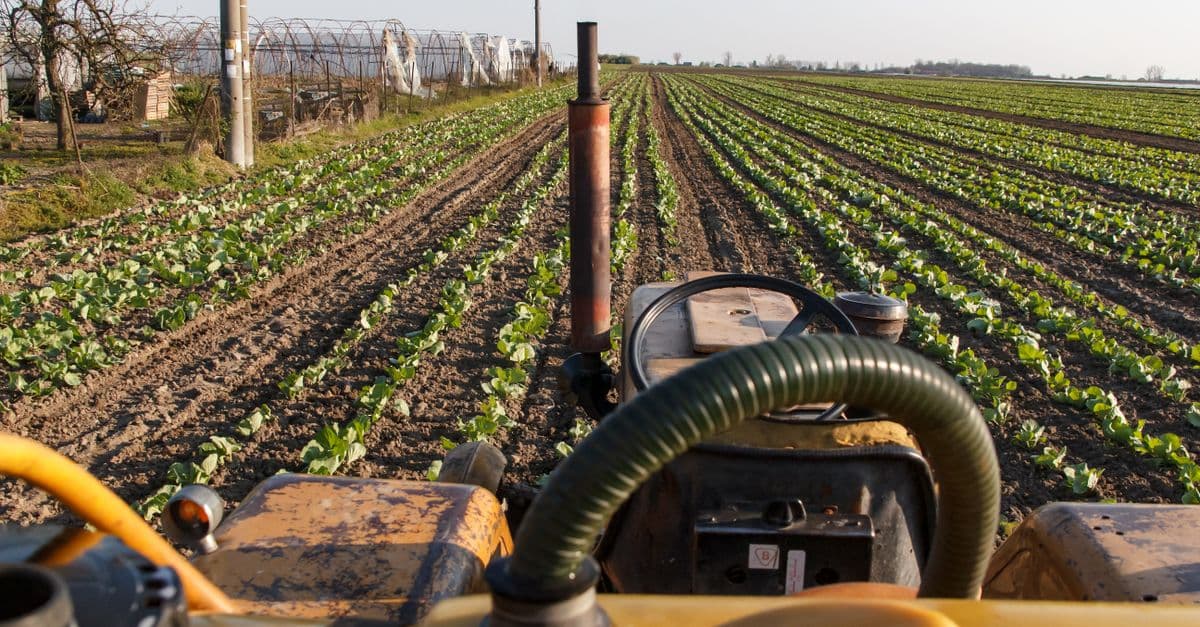
Germplasm Selection Analyzer for Agronomists
Analyze germplasm performance and predict breeding outcomes for genetic gain
What You Can Do
You can systematically analyze germplasm trial data to identify elite parent combinations and predict breeding outcomes. This skill processes yield, disease resistance, morphological traits, and environmental variables to quantify genotype-by-environment interactions, recommend optimal crossing strategies, and document data-driven selection rationale for regulatory compliance. It bridges raw field data and strategic breeding decisions, helping you achieve genetic gain faster while minimizing subjective bias in parental selection.
Features
Evaluate germplasm performance across years, locations, and growing conditions to identify stable varieties
Compare potential parent pairs and predict F1/F2 offspring trait values based on field performance data
Quantify how trait expression varies by environment to select broadly adapted or niche varieties
Analyze yield, disease resistance, morphology, and quality traits simultaneously to optimize breeding objectives
Calculate diversity metrics between candidate parents to inform crossing strategies and population structure
Generate specific crossing recommendations (hybridization, backcross, introgression) with predicted outcomes
Create evidence-based reports justifying germplasm choices for regulatory, certification, or stakeholder review
Example Output
Input: Multi-year trial data for 15 wheat accessions across 3 locations (yield, disease resistance, protein content, GxE variables)
Output:
- Ranked parent pairs for yield improvement: Parent A × Parent B (predicted F1 yield +8%, disease score +2.3 points)
- GxE interaction summary: Variety X shows 12% yield variance across locations; Variety Y shows 3% (more stable)
- Top 5 germplasm selections with trait justifications and diversity scores
- Recommended backcross strategy: Cross Parent A (high yield, susceptible) × Parent C (moderate yield, resistant) for 3 generations
Output Format: Structured tables, correlation matrices, ranking scores (0-100), and written recommendations with confidence levels
What's Included
- SKILL.md instruction file for germplasm evaluation workflows:
- MET Data Template: Excel/CSV structure for multi-environment trial inputs (genotype, location, year, trait values)
- Parental Selection Framework: Step-by-step guide to scoring and comparing parent combinations
- GxE Analysis Checklist: Criteria for identifying stable vs. location-specific varieties
- Breeding Strategy Recommendation Worksheet: Template for documenting optimal crossing strategies and predicted outcomes
Who It's For
- Agronomists and plant breeders managing germplasm collections and breeding programs
- Crop improvement specialists selecting parents for trait-stacked varieties
- Seed company R&D teams optimizing breeding objectives across multiple environments
- Research station directors evaluating elite germplasm for regional adaptation
- Agricultural consultants advising farmers on variety selection and breeding roadmaps
Best For
- Analyzing multi-environment trial (MET) data to rank elite germplasm
- Predicting offspring trait values before committing to breeding programs
- Evaluating genotype-by-environment interactions for stable variety selection
- Scoring and comparing parental combinations for optimal crosses
- Documenting breeding rationale for regulatory compliance or certification
You might also like
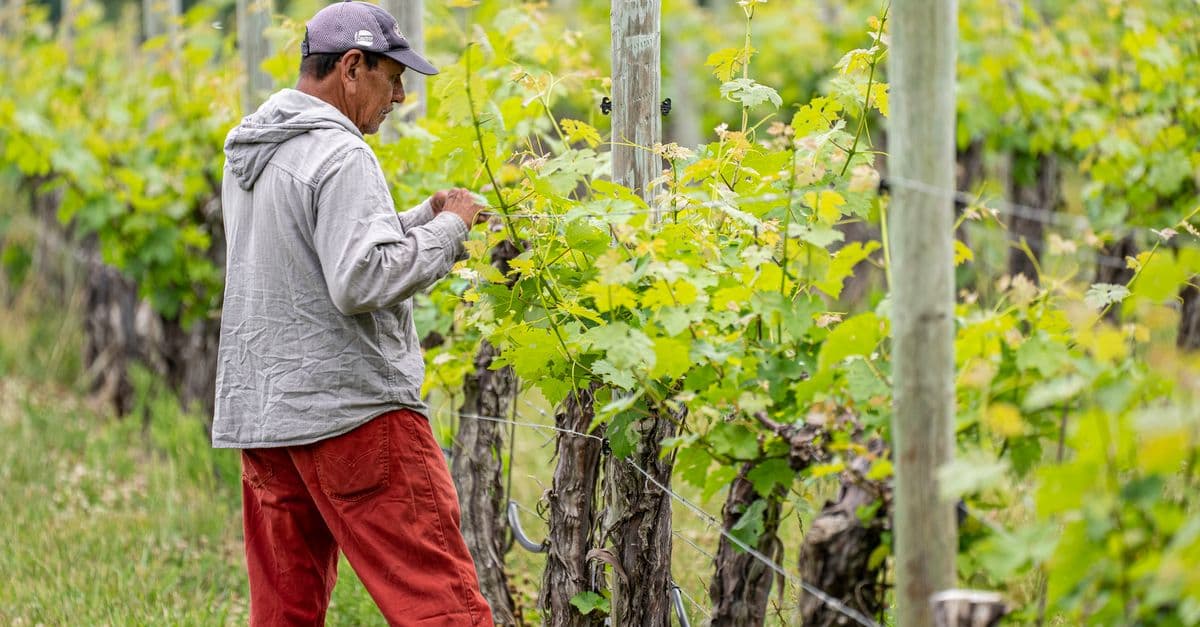
You can systematically evaluate your vineyard's sustainability performance across water management, soil health, pesticide use, carbon footprint, input costs, labor practices, and community relations. Claude generates quantifiable baselines, identifies high-impact interventions tailored to viticulture's unique constraints (seasonal labor, phytosanitary pressures, terroir dependencies), and creates implementation roadmaps that integrate with your existing operations—whether you're pursuing organic certification, biodynamic transition, or responding to retailer sustainability requirements.
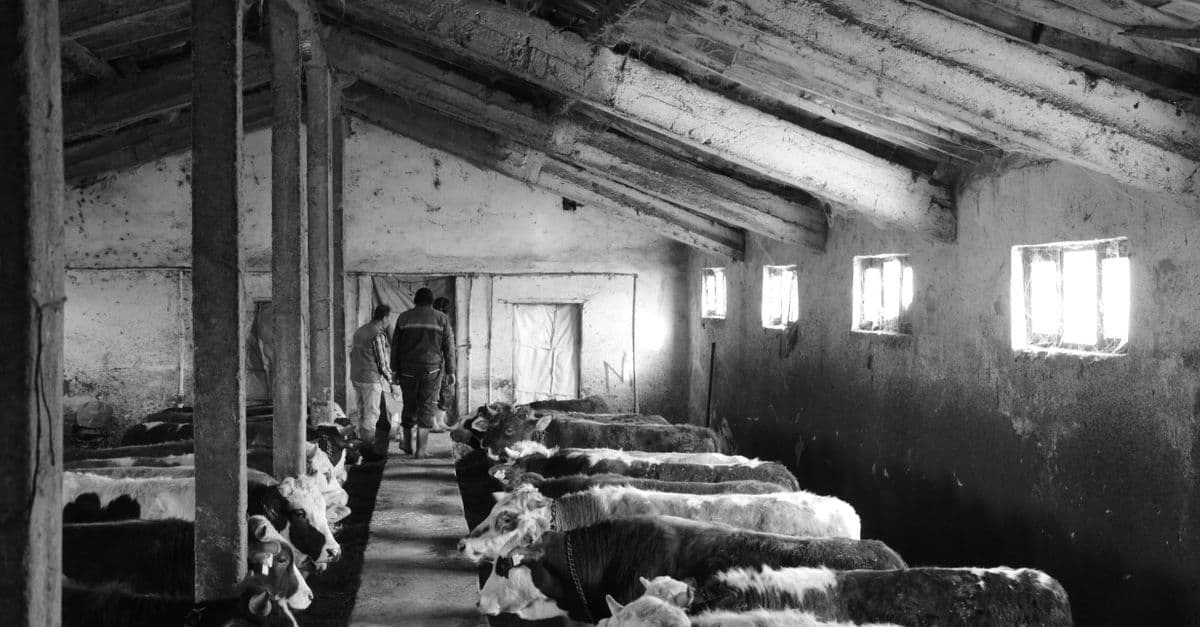
This skill helps you review and validate livestock facility designs by analyzing structural requirements, calculating dynamic loads, verifying code compliance, and optimizing layouts for animal welfare. You can assess architectural plans for dairy barns, poultry houses, and feed storage facilities, identify design gaps, evaluate material options, and confirm that facilities meet both building codes and agricultural regulations.
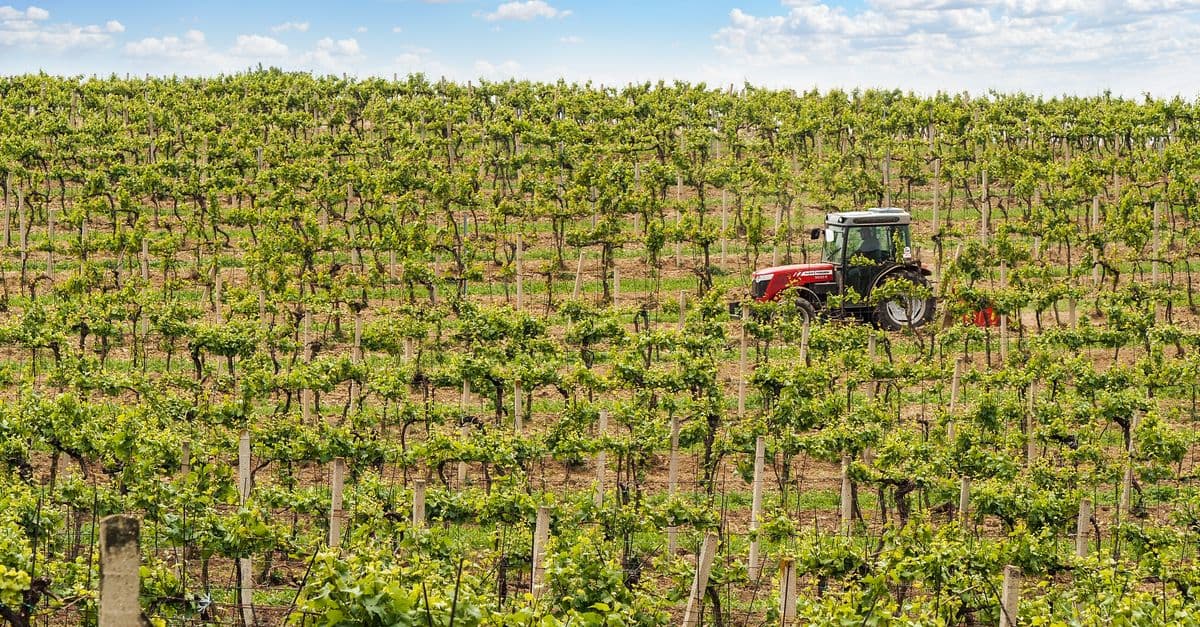
Analyze fruit maturity indicators across vineyard blocks to determine optimal harvest windows while accounting for weather forecasts, crush pad capacity, and labor availability. You'll receive structured recommendations on which blocks to harvest and in what sequence, plus logistics coordination plans that balance quality outcomes with operational constraints.

You can analyze ripeness progression across individual vineyard blocks and predict optimal harvest windows by integrating phenolic and sugar maturity data with real-time weather forecasts, labor scheduling constraints, and vintage market positioning. The skill helps you coordinate multi-block harvest logistics while accounting for unexpected weather events, equipment availability, and production cost targets.
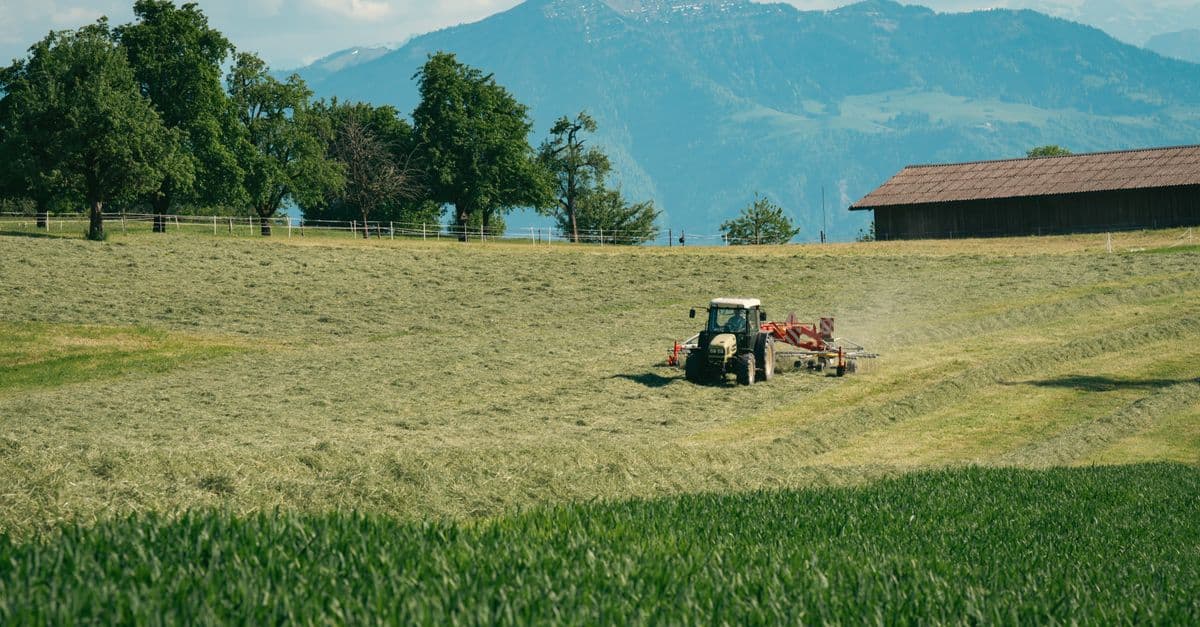
You can develop complete mechanization system architectures that match your farm's specific operations, soil conditions, and economic constraints. This skill guides you through equipment selection, power management, field logistics optimization, and ROI analysis to create actionable mechanization strategies that improve operational efficiency while maintaining sustainability and profitability.
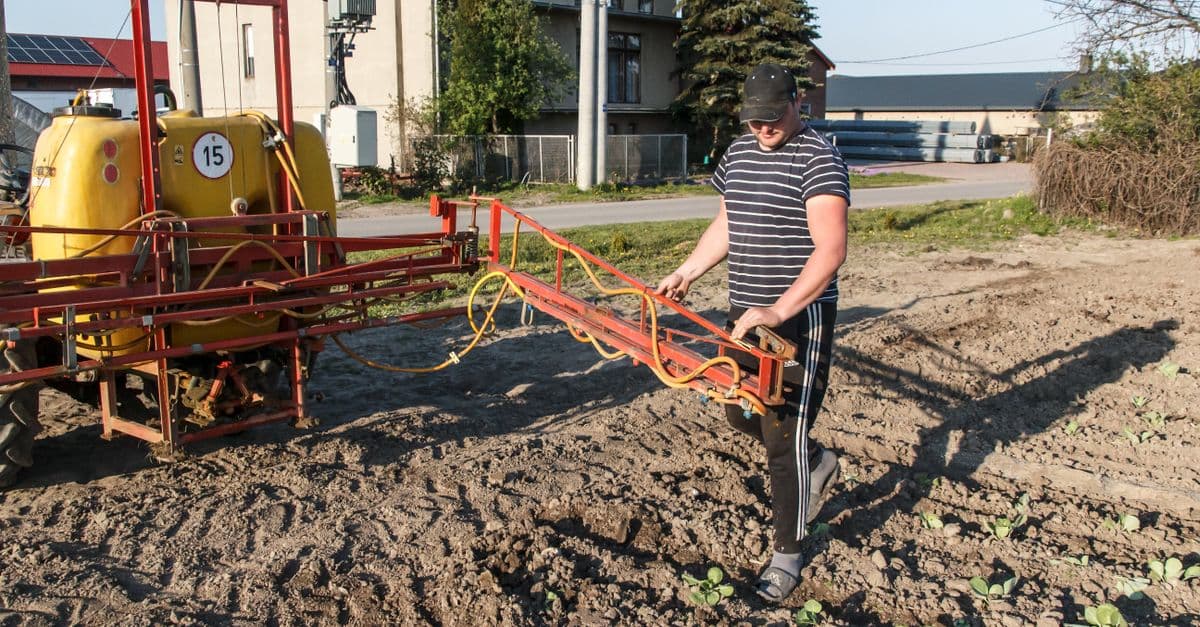
You can systematically diagnose soil nutrient deficiencies, toxicities, and imbalances by integrating soil test results, tissue analysis, visual crop symptoms, and environmental data. Claude cross-references your field observations against nutrient profiles, calculates precise amendment rates based on soil chemistry, and accounts for nutrient interactions (antagonisms and synergies) to create actionable, crop-specific amendment protocols—not generic recommendations.
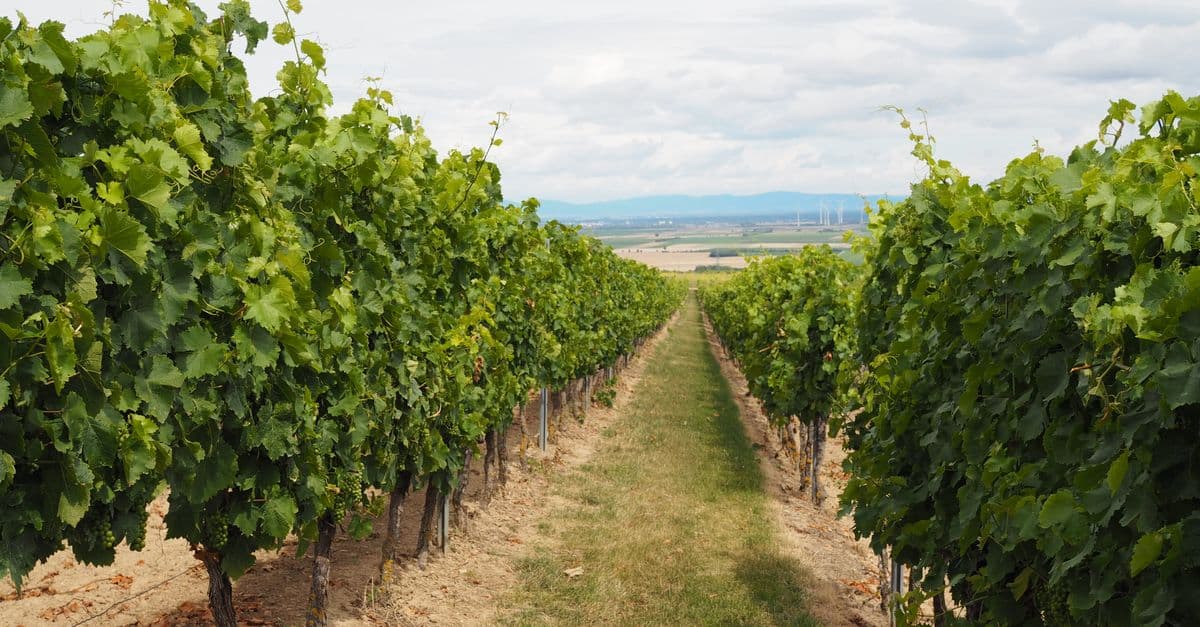
This skill evaluates your vineyard's sustainability across three pillars—environmental stewardship, economic viability, and social responsibility—using recognized assessment standards. You'll receive a baseline sustainability audit with quantified metrics (water use, pesticide inputs, soil health, carbon footprint), prioritized improvement opportunities, and a multi-year implementation roadmap tailored to your vineyard's current practices and certification goals.

You can quantify structural loads from stored materials, livestock, equipment, and environmental forces, then distribute those loads across structural elements to verify design adequacy. The skill walks you through load calculations, stress verification against material allowables, and documentation for compliance, helping you catch potential failure modes early and create load specifications for contractor bids or design modifications.