

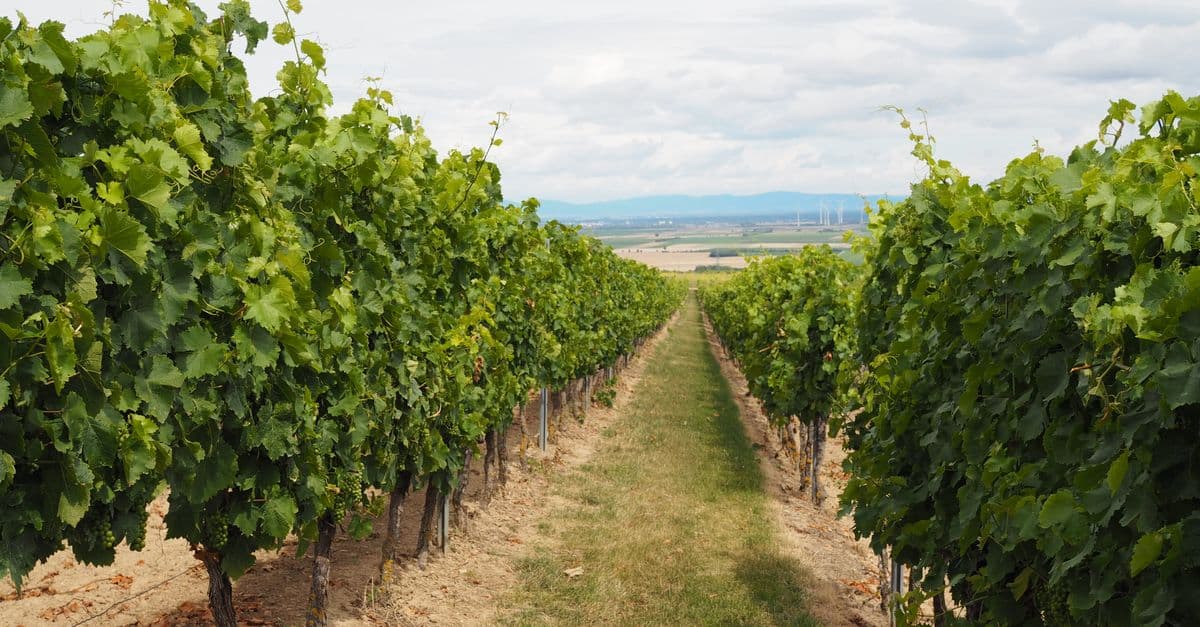
Vineyard Sustainability Assessment & Improvement Framework
Assess and improve vineyard sustainability across environmental, economic, and social dimensions
What You Can Do
This skill evaluates your vineyard's sustainability across three pillars—environmental stewardship, economic viability, and social responsibility—using recognized assessment standards. You'll receive a baseline sustainability audit with quantified metrics (water use, pesticide inputs, soil health, carbon footprint), prioritized improvement opportunities, and a multi-year implementation roadmap tailored to your vineyard's current practices and certification goals.
Features
evaluates environmental, economic, and social dimensions using industry-standard indicators
calculates water consumption, pesticide/fertilizer inputs, soil health scores, and carbon footprint
maps recommendations to Lodi Rules, SIP Certified, Demeter, SARE, and EU Organic Regulation standards
identifies high-impact, cost-effective sustainability improvements ranked by ROI and feasibility
generates audit trails and evidence packages for third-party certification audits and retailer questionnaires
quantifies sustainability claims for label positioning and buyer communication
creates phased action plans with timelines, resource requirements, and success metrics
Example Output
Baseline Sustainability Assessment
- Water efficiency: 2.1M gallons/acre/year (industry benchmark: 1.8M) — Gap: 17% above target
- Pesticide inputs: 8.4 lbs active ingredient/acre (organic: 0; conventional avg: 12) — Status: Below average intensity
- Soil organic matter: 2.1% (target for Lodi Rules: 3.5%+) — Priority improvement area
- Carbon footprint: 1.2 tons CO₂e/acre/year
Top 3 Recommended Interventions
- Drip irrigation upgrade + soil moisture sensors → 18% water reduction, 2-year payback
- Cover crop rotation (legume mix) → +1.2% soil OM in 3 years, pest pressure reduction
- Integrated pest management protocol → 40% pesticide reduction, maintain yield
Certification Pathway: Lodi Rules in 24 months — Requires 3 documentation cycles, cover crop establishment, and water auditing
What's Included
- SKILL.md instruction file with full assessment methodology and standard mappings:
- Sustainability assessment matrix: environmental, economic, and social indicator checklist
- Baseline metric calculation template: water, pesticide, soil health, and carbon quantification tools
- Improvement prioritization framework: ROI and feasibility scoring for interventions
- Certification roadmap generator: aligned pathways for Lodi Rules, SIP, Demeter, and organic compliance
- Implementation timeline template: phased action plan with milestones and resource budgets
Who It's For
- Viticulturists and vineyard managers conducting annual sustainability audits or seeking certification
- Winery operations directors responding to retailer ESG questionnaires and sustainability scorecards
- Vineyard estate owners developing long-term sustainability strategies for market differentiation
- Agronomists advising clients on cost-effective sustainability interventions and compliance pathways
- Wine brand sustainability managers quantifying supply-chain environmental performance
Best For
- Baseline sustainability audits and performance benchmarking against industry standards
- Third-party certification preparation (Lodi Rules, SIP Certified, Demeter, organic compliance)
- Targeted intervention planning — cover crops, irrigation efficiency, pest management optimization
- ESG compliance documentation and retailer sustainability questionnaire completion
- Water efficiency and soil health improvement planning
You might also like
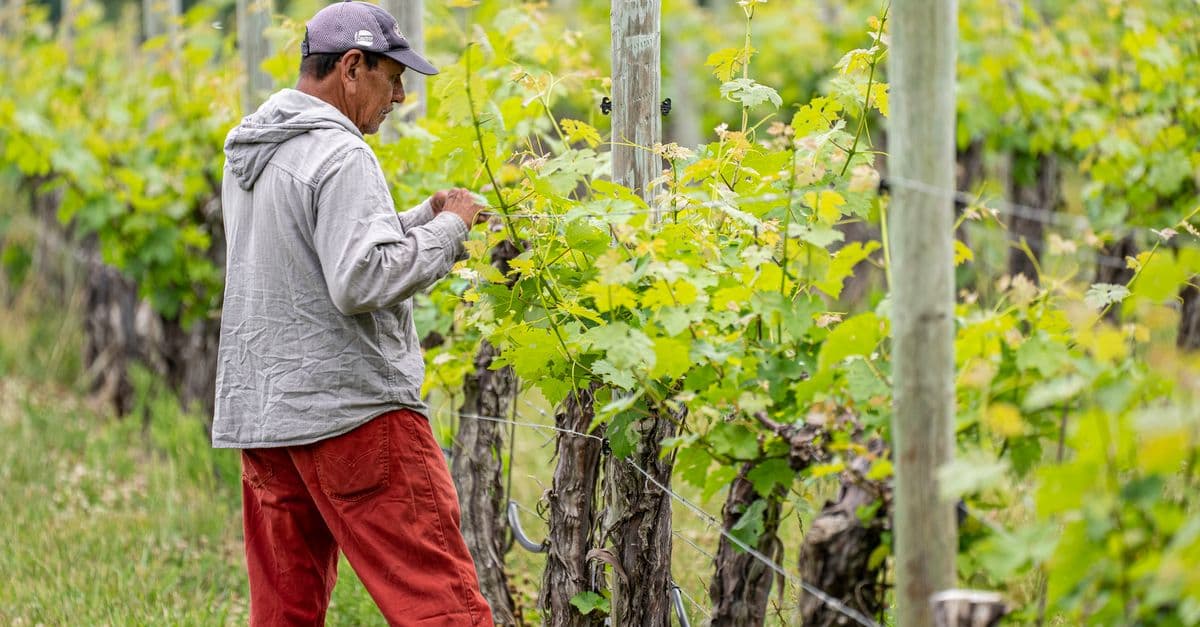
You can systematically evaluate your vineyard's sustainability performance across water management, soil health, pesticide use, carbon footprint, input costs, labor practices, and community relations. Claude generates quantifiable baselines, identifies high-impact interventions tailored to viticulture's unique constraints (seasonal labor, phytosanitary pressures, terroir dependencies), and creates implementation roadmaps that integrate with your existing operations—whether you're pursuing organic certification, biodynamic transition, or responding to retailer sustainability requirements.
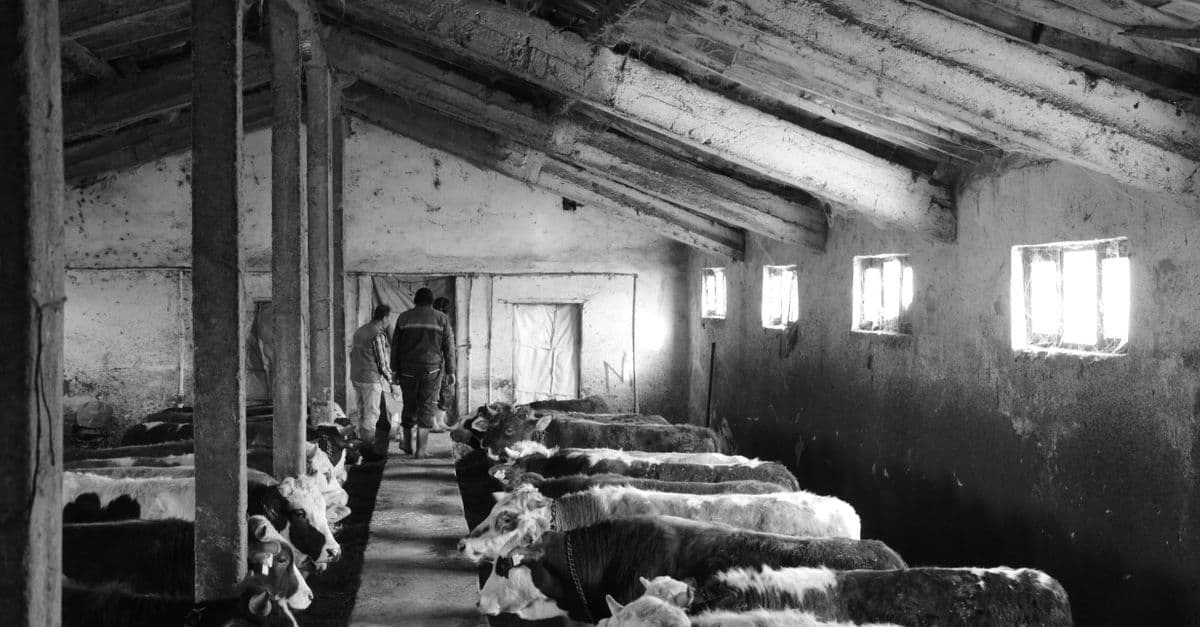
This skill helps you review and validate livestock facility designs by analyzing structural requirements, calculating dynamic loads, verifying code compliance, and optimizing layouts for animal welfare. You can assess architectural plans for dairy barns, poultry houses, and feed storage facilities, identify design gaps, evaluate material options, and confirm that facilities meet both building codes and agricultural regulations.

You can systematically diagnose pest and disease problems in your vineyard by analyzing visual symptoms, environmental conditions, and phenological stage. The skill guides you through decision trees to accurately identify the causative agent, assess economic thresholds, and select appropriate management strategies aligned with your integrated pest management program.
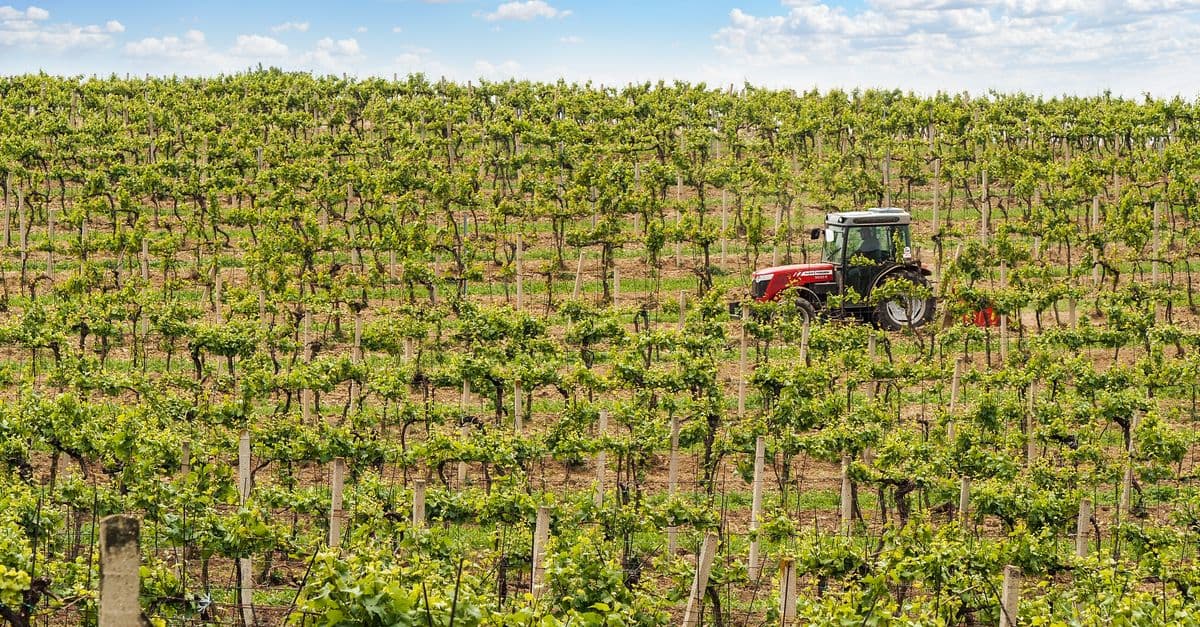
Analyze fruit maturity indicators across vineyard blocks to determine optimal harvest windows while accounting for weather forecasts, crush pad capacity, and labor availability. You'll receive structured recommendations on which blocks to harvest and in what sequence, plus logistics coordination plans that balance quality outcomes with operational constraints.

This skill helps you rapidly diagnose pest and disease problems from visual symptoms, damage patterns, and lifecycle indicators, then generates customized IPM protocols that account for your vineyard's location, grape variety, growth stage, and weather conditions. You'll determine economic thresholds for treatment, schedule interventions aligned with pest lifecycles and phenological windows, and document decisions for compliance and future reference.

You can analyze ripeness progression across individual vineyard blocks and predict optimal harvest windows by integrating phenolic and sugar maturity data with real-time weather forecasts, labor scheduling constraints, and vintage market positioning. The skill helps you coordinate multi-block harvest logistics while accounting for unexpected weather events, equipment availability, and production cost targets.
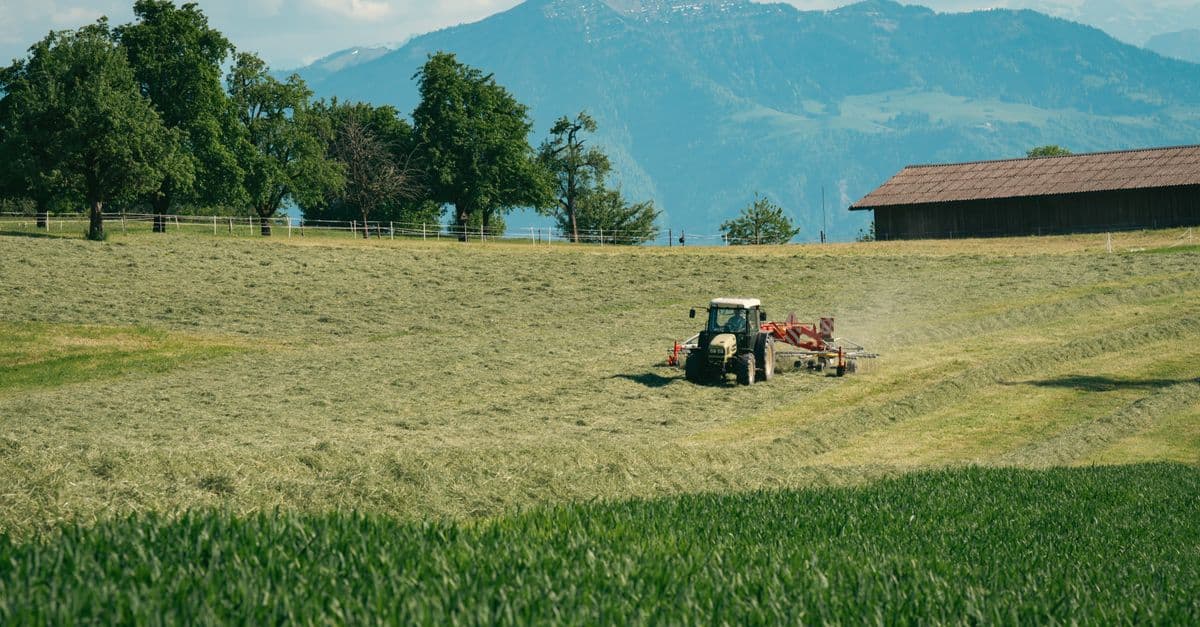
You can develop complete mechanization system architectures that match your farm's specific operations, soil conditions, and economic constraints. This skill guides you through equipment selection, power management, field logistics optimization, and ROI analysis to create actionable mechanization strategies that improve operational efficiency while maintaining sustainability and profitability.

You can quantify structural loads from stored materials, livestock, equipment, and environmental forces, then distribute those loads across structural elements to verify design adequacy. The skill walks you through load calculations, stress verification against material allowables, and documentation for compliance, helping you catch potential failure modes early and create load specifications for contractor bids or design modifications.