

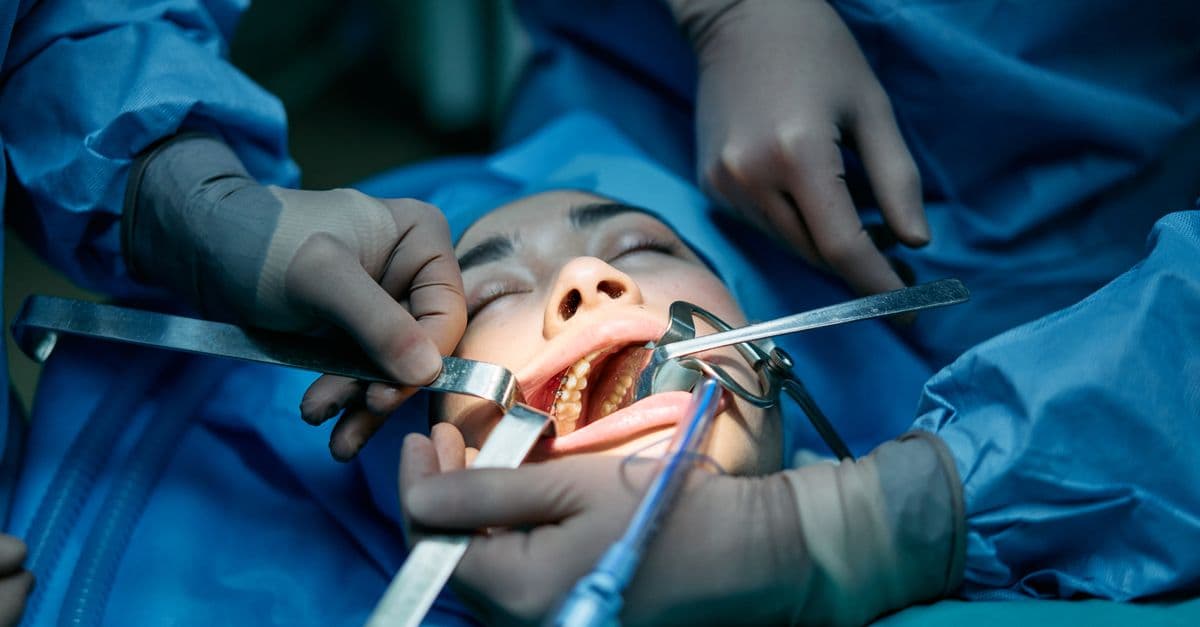
Implant Surgical Planning Assistant
Generate comprehensive surgical protocols for implant placement with anatomical and risk analysis
What You Can Do
This skill produces clinically defensible surgical protocols for implant placement that document bone quality and quantity assessment, recommend implant dimensions and positioning based on anatomical landmarks, and stratify complication risks with mitigation strategies. You can generate comprehensive pre-operative plans for complex cases involving ridge defects, atrophy, or proximity to vital structures—enabling clear communication with referring dentists, insurance carriers, and patients about surgical complexity and anticipated healing timelines.
Features
Analyzes ridge anatomy with specific reference to anatomical landmarks and volumetric requirements for implant stability
Generates dimension and location specifications based on esthetic and functional requirements
Selects and describes appropriate flap design and surgical technique based on anatomical complexity
Identifies potential complications related to vital structures (inferior alveolar nerve, mental foramen, maxillary sinus) and assigns mitigation strategies
Creates patient-friendly summaries of anatomical considerations and surgical complexity for consent conversations
Provides realistic post-operative expectations based on bone type and surgical approach
Generates detailed reports for treatment planning committees and referring dentists
Example Output
Example 1: Posterior Mandibular Single Implant
- Bone Classification: D3 (mixed density, adequate height but reduced width)
- Recommended Implant: 4.0 × 10mm, positioned 8mm from mental foramen
- Risk: Moderate—proximity to inferior alveolar nerve requires precise surgical technique
- Mitigation: Piezoelectric osteotomy, intraoperative neuromonitoring recommended
- Estimated time: 45–60 minutes
Example 2: Anterior Maxillary Multiple Implants
- Bone Classification: D2 (dense and homogeneous, excellent for esthetics)
- Recommended Implants: 3.75 × 13mm positioned with 5mm interimplant distance
- Risk: Low bone height anterior to nasal floor—requires crestal approach
- Mitigation: Limited sinus elevation, angled implant positioning to optimize emergence profile
- Healing timeline: 4–6 months for osseointegration in dense bone
What's Included
- SKILL.md instruction file with systematic pre-operative evaluation framework:
- Bone classification and volumetric assessment template with anatomical landmark reference guide:
- Implant positioning checklist (dimension, location, angulation specifications):
- Surgical technique selector (flap design options, osteotomy approach, instrumentation):
- Complication risk matrix identifying vital structure proximity and mitigation strategies:
- Informed consent summary template for patient communication:
Who It's For
- Periodontists developing comprehensive surgical plans for complex implant cases
- Oral surgeons planning cases with anatomical compromises or vital structure proximity
- Dental educators teaching systematic pre-operative evaluation to residents and associates
- Referring general dentists communicating surgical complexity to patients
- Insurance reviewers evaluating treatment justification and surgical complexity codes
Best For
- Complex cases with ridge defects, severe atrophy, or anatomical constraints
- Esthetic zone implants requiring precise emergence profile positioning
- Cases involving pneumatized sinuses or limited interarch space
- Difficult anatomical cases presented for second opinion or treatment planning committee review
- Informed consent documentation and patient education for surgical cases
You might also like
You can systematically analyze crown and bridge cases by inputting diagnostic findings, patient factors, and clinical constraints. Claude generates detailed treatment plans that include material selection matrices comparing metal, ceramic, and hybrid options; clinical decision trees accounting for abutment quality and span length; and customizable patient communication frameworks that support informed consent and case acceptance. The skill operationalizes evidence-based protocols for single crowns, fixed partial dentures, and complex multi-unit restorations.
 by comeonoliver

Stop bleeding money on forgotten subscriptions and negotiable expenses. This skill systematically dissects your spending, exposes hidden patterns you've overlooked, and generates a prioritized action plan that typically uncovers $2,000-$8,000+ in annual savings. You'll get specific negotiation templates, insider tips for lowering bills, and a complete expense audit that tells you exactly where your money is really going.
by comeonoliver
This skill helps you rapidly develop comprehensive treatment plans that integrate current clinical evidence with patient-specific factors and practice guidelines. You'll articulate clear clinical reasoning for every recommendation—why you're suggesting specific sequencing, materials, and modalities—which strengthens patient communication, improves acceptance rates, and creates documentation that withstands insurance scrutiny and liability review.
by comeonoliver
You can systematically evaluate root canal cases by analyzing patient history, radiographic findings, clinical examination data, and anatomical variations to stratify case complexity and identify risk factors. The system generates evidence-based treatment recommendations, distinguishes between straightforward and complex cases requiring specialized protocols, and produces detailed case documentation that supports clinical decision-making and communication with referring dentists.
by comeonoliver
You can transform patient presentations into evidence-based crown and bridge treatment plans that account for clinical factors (tooth anatomy, bone support, opposing dentition), patient variables (budget, esthetics, longevity), and laboratory requirements. The skill guides systematic case analysis, material and design selection, treatment sequencing decisions, and generates patient-ready documentation to support informed consent and case acceptance.
by comeonoliver
This skill equips you with structured behavioral management protocols tailored to pediatric developmental stages. You'll learn age-specific communication patterns, non-verbal strategies, anxiety-reduction techniques, and guardian communication scripts that transform anxious or uncooperative children into cooperative patients while building positive lifelong dental attitudes. Apply validated techniques like Tell-Show-Do, desensitization, and operant conditioning to de-escalate behavioral problems and plan effective treatment sequences.
by comeonoliver
You can input CBCT descriptions, implant placement reports, and patient anatomy data to receive detailed prosthetic treatment protocols. The skill generates restoration design specifications, material recommendations, occlusal schemes, and contingency plans—identifying high-risk scenarios early so you can modify the prosthetic design before fabrication begins. This reduces chairtime variability and improves clinical predictability across single implants, multiple implant cases, and full-arch rehabilitations.
by comeonoliver
You can systematically develop phase-by-phase orthodontic treatment protocols that synthesize diagnostic data, patient anatomy, and mechanical principles. This skill generates detailed appliance selection recommendations, extraction vs. non-extraction analyses, wire progression sequences, and clinical milestones to guide efficient execution from initial placement through retention for complex malocclusions requiring three-dimensional control.
by comeonoliver