


Clinical Treatment Planning Assistant
Develop evidence-based treatment plans with structured clinical risk assessment and sequencing
What You Can Do
You can input patient clinical findings, medical history, and treatment needs to receive a comprehensive, sequenced treatment plan with clinical justifications. The skill systematizes multi-faceted cases with competing priorities, identifies risk-driven sequencing, and generates patient-friendly explanations and insurance documentation. You'll reduce diagnostic uncertainty and ensure treatment recommendations align with evidence-based protocols and patient constraints.
Features
Organizes 5+ treatment needs into logical clinical phases with clear sequencing rationale
Applies established criteria to prioritize treatment based on disease severity and patient risk factors
Cross-references treatment options against medical history, medications, and clinical contraindications
Generates clear, non-technical explanations for why treatments are recommended in specific order
Documents clinical justification and risk-benefit analysis for treatment authorization requests
Adjusts treatment sequencing for medically complex patients requiring staged or modified approaches
Creates structured clinical notes with diagnostic reasoning and evidence-based protocol references
Provides educational structure for hygienists and clinical team to understand treatment planning rationale
Example Output
Input: 45-year-old patient with generalized periodontitis, 3 carious lesions, failing 6-unit bridge, and Type 2 diabetes
Output Treatment Plan:
Phase 1 (Weeks 1-4): Stabilization & Risk Reduction
- Comprehensive periodontal assessment and scaling/root planing (addresses disease driver; diabetes increases susceptibility)
- Interim restoration of symptomatic caries (tooth #14)
- Diabetes management review with PCP (clinical priority given HbA1c impact on healing)
Phase 2 (Weeks 5-12): Definitive Restorations
- Final restorations for remaining carious lesions (#8, #21)
- Bridge replacement planning once periodontal stability achieved (6-week re-evaluation)
Phase 3 (Weeks 13+): Complex Restoration
- 6-unit bridge fabrication and delivery (periodontal health prerequisite; addresses function and esthetics)
Clinical Justification: Periodontal disease is primary driver of treatment complexity. Sequencing prioritizes infection control and tissue health before placing fixed prosthetics (which would complicate maintenance). Diabetes management coordination reduces post-operative complications.
What's Included
- SKILL.md: Complete treatment planning framework with decision logic and protocols
- Clinical Risk Assessment Checklist: Screening criteria for case complexity and sequencing priority
- Medical Compromise Adaptation Matrix: Treatment modifications for common systemic conditions
- Treatment Phase Template: Structured format for organizing multi-phase plans with justifications
- Patient Communication Guide: Templates for explaining sequencing and treatment rationale in patient-friendly language
Who It's For
- General dentists managing complex multi-faceted cases requiring sequencing decisions
- Dental practice owners developing standardized treatment planning protocols
- Dental educators teaching treatment planning concepts to students or hygiene staff
- Practice managers documenting clinical justifications for insurance pre-authorizations
- Dentists treating medically compromised patients requiring modified treatment sequences
Best For
- Multi-treatment cases with 5+ competing clinical needs and sequencing decisions
- Medically complex patients (diabetes, cardiovascular disease, bleeding disorders) requiring adapted protocols
- Cases with significant insurance pre-authorization requirements needing clinical documentation
- Anxious or phobic patients requiring staged, confidence-building treatment approaches
- Second opinions on case complexity and treatment prioritization decisions
- Teaching treatment planning logic to clinical team members
You might also like
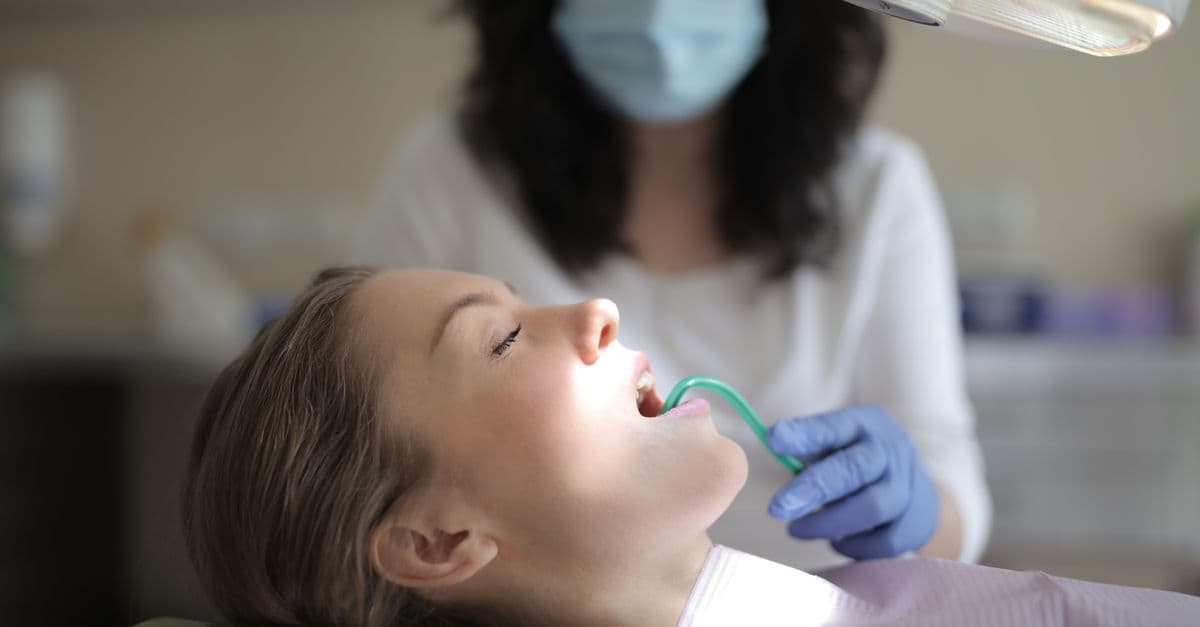
You can systematically analyze crown and bridge cases by inputting diagnostic findings, patient factors, and clinical constraints. Claude generates detailed treatment plans that include material selection matrices comparing metal, ceramic, and hybrid options; clinical decision trees accounting for abutment quality and span length; and customizable patient communication frameworks that support informed consent and case acceptance. The skill operationalizes evidence-based protocols for single crowns, fixed partial dentures, and complex multi-unit restorations.
 by comeonoliver

Stop bleeding money on forgotten subscriptions and negotiable expenses. This skill systematically dissects your spending, exposes hidden patterns you've overlooked, and generates a prioritized action plan that typically uncovers $2,000-$8,000+ in annual savings. You'll get specific negotiation templates, insider tips for lowering bills, and a complete expense audit that tells you exactly where your money is really going.
by comeonoliver
This skill helps you rapidly develop comprehensive treatment plans that integrate current clinical evidence with patient-specific factors and practice guidelines. You'll articulate clear clinical reasoning for every recommendation—why you're suggesting specific sequencing, materials, and modalities—which strengthens patient communication, improves acceptance rates, and creates documentation that withstands insurance scrutiny and liability review.
by comeonoliver
You can systematically evaluate root canal cases by analyzing patient history, radiographic findings, clinical examination data, and anatomical variations to stratify case complexity and identify risk factors. The system generates evidence-based treatment recommendations, distinguishes between straightforward and complex cases requiring specialized protocols, and produces detailed case documentation that supports clinical decision-making and communication with referring dentists.
by comeonoliver
You can transform patient presentations into evidence-based crown and bridge treatment plans that account for clinical factors (tooth anatomy, bone support, opposing dentition), patient variables (budget, esthetics, longevity), and laboratory requirements. The skill guides systematic case analysis, material and design selection, treatment sequencing decisions, and generates patient-ready documentation to support informed consent and case acceptance.
by comeonoliver
This skill equips you with structured behavioral management protocols tailored to pediatric developmental stages. You'll learn age-specific communication patterns, non-verbal strategies, anxiety-reduction techniques, and guardian communication scripts that transform anxious or uncooperative children into cooperative patients while building positive lifelong dental attitudes. Apply validated techniques like Tell-Show-Do, desensitization, and operant conditioning to de-escalate behavioral problems and plan effective treatment sequences.
by comeonoliver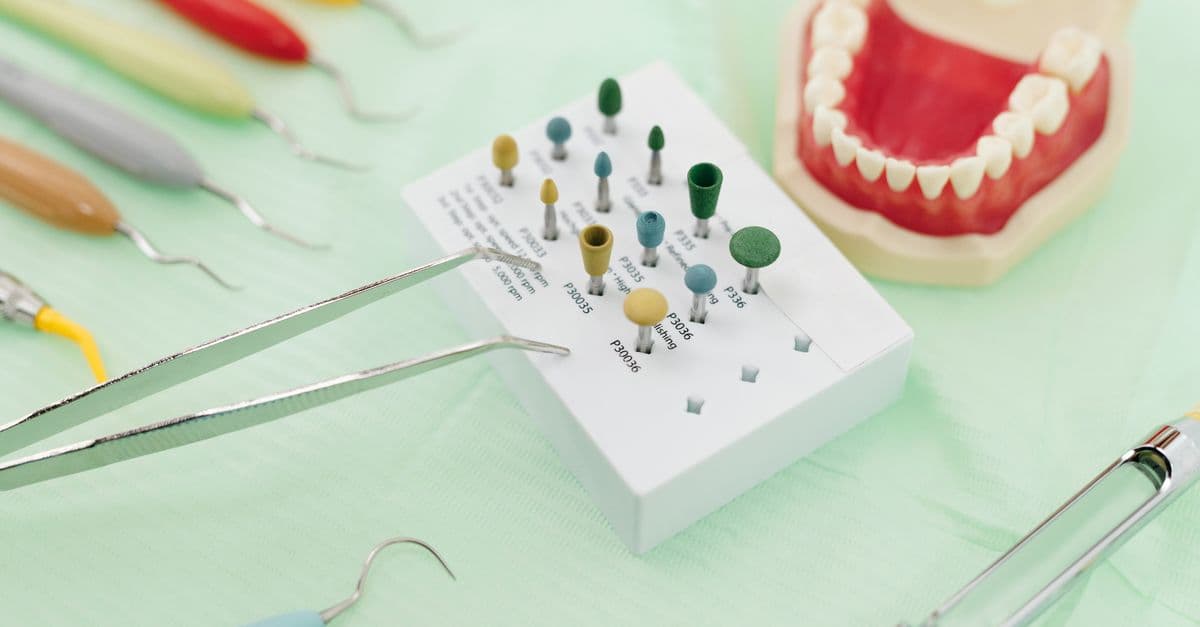
You can input CBCT descriptions, implant placement reports, and patient anatomy data to receive detailed prosthetic treatment protocols. The skill generates restoration design specifications, material recommendations, occlusal schemes, and contingency plans—identifying high-risk scenarios early so you can modify the prosthetic design before fabrication begins. This reduces chairtime variability and improves clinical predictability across single implants, multiple implant cases, and full-arch rehabilitations.
by comeonoliver
You can systematically develop phase-by-phase orthodontic treatment protocols that synthesize diagnostic data, patient anatomy, and mechanical principles. This skill generates detailed appliance selection recommendations, extraction vs. non-extraction analyses, wire progression sequences, and clinical milestones to guide efficient execution from initial placement through retention for complex malocclusions requiring three-dimensional control.
by comeonoliver