

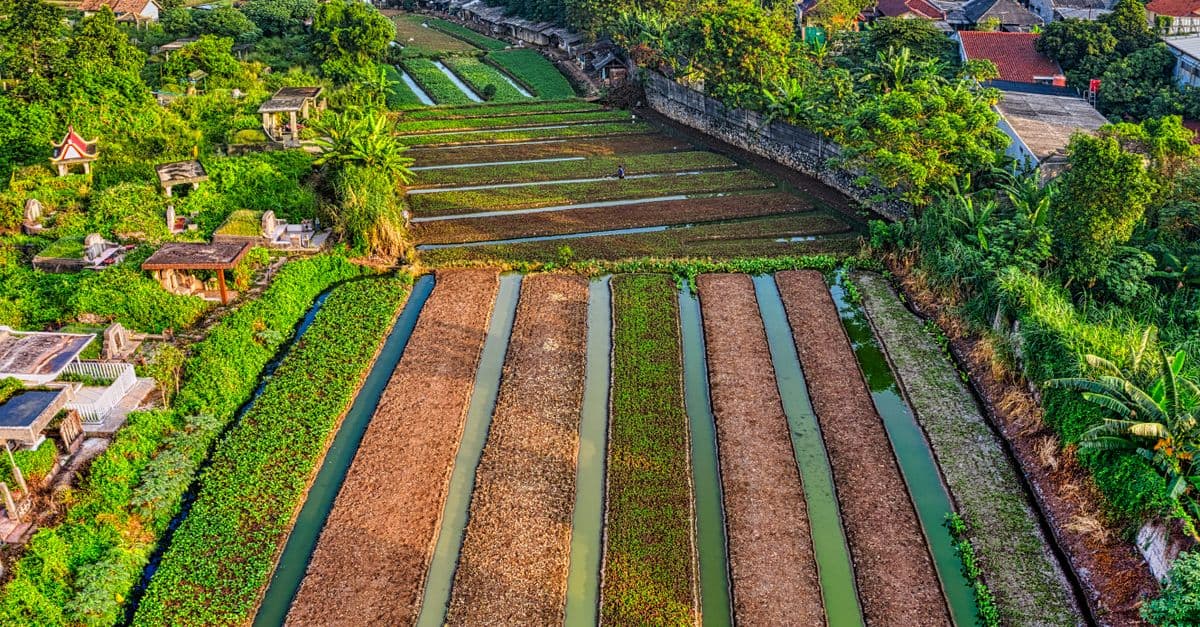
Agricultural Intervention Design & Localization
Design evidence-based agricultural interventions adapted to local contexts
 by jkfncInternational Development & DiplomacyDevelopmentInternational Development SpecialistAgriculture
What You Can Do
Create comprehensive agricultural development interventions tailored to specific communities by integrating local agro-ecological conditions, stakeholder expertise, and monitoring frameworks. You'll develop implementation roadmaps that combine research evidence with practical feasibility assessments, ensuring interventions address real farmer needs while building capacity for long-term sustainability.
Features
Analyze soil conditions, climate patterns, water availability, market access, and cultural practices to understand the specific constraints and opportunities facing a farming community
Synthesize peer-reviewed research on crop varieties, farming practices, and agricultural techniques to recommend proven approaches with documented success rates
Design multi-level engagement strategies that incorporate farmer perspectives, extension worker input, and market actor involvement from planning through implementation
Create practical monitoring systems with clear indicators, data collection methods, and decision points to track progress and adapt approaches as conditions change
Generate phase-by-phase action plans with resource requirements, timeline, risk mitigation strategies, and capacity building components
Develop procedures for customizing interventions to specific agro-ecological zones, farmer resource levels, and market conditions within a region
Evaluate long-term viability of interventions considering farmer income, environmental impact, input costs, and institutional support requirements
Example Output
Intervention Design Output for Subsistence Maize Farming Region:
Context Assessment:
- Bimodal rainfall pattern (March-May, October-December); average 650mm/year
- Average farm size 0.5 hectares; limited irrigation access
- Farmer feedback: drought stress in long rains, limited improved seed availability
- Market access: 2-hour walk to regional trading center
Recommended Intervention Package:
- Drought-tolerant maize variety (WNVR3 - 20% yield increase documented in similar zones)
- Water harvesting: half-moon pits + mulching (reduces irrigation need 40%)
- Farmer field school on soil conservation (8-month curriculum)
- Seed multiplication groups (5-farmer cooperatives producing certified seed)
Monitoring Indicators: Adoption rate, yield, water table depth, farmer confidence in technology
Targets: 60% adoption year 1; 35% yield increase year 2
Smallholder Dairy Value Chain Intervention:
Stakeholder Map: 280 dairy farmers, 4 milk collection centers, cooperative, regional veterinary office
Proposed Program:
- Fodder production on farm bunds (100m row per farm)
- Zero-grazing infrastructure training with materials support
- Preventive livestock health program via cooperative
- Milk quality testing at collection points
Risk Mitigation: High upfront costs → phased rollout through savings groups; low health protocol adoption → link veterinary services to milk prices
Capacity Building: 3-day training for farmer leaders; 20-farm demonstration plots
What's Included
- Contextual Diagnostics Framework: Structured template for analyzing biophysical, socioeconomic, institutional, and market factors that shape intervention success
- Evidence Synthesis Checklist: Methodology for reviewing published research on candidate technologies, extracting performance data, and assessing local applicability
- Stakeholder Engagement Strategy: Tools for mapping actors, designing multi-level consultation processes, and building farmer-led decision-making into design
- Monitoring & Evaluation Framework: Pre-built indicator sets for productivity, adoption, equity, and environmental outcomes with practical data collection methods
- Implementation Timeline & Budget Template: Phase-by-phase roadmap with resource needs, milestones, responsibilities, and contingency plans
Who It's For
- Agricultural Development Practitioners
- Program Managers at NGOs and Development Organizations
- Agricultural Extension Specialists
- Soil and Water Conservation Project Leads
Best For
- Designing crop production programs for food-insecure regions
- Creating livestock and dairy interventions for smallholder farmers
- Planning climate adaptation strategies for vulnerable communities
- Developing natural resource management projects (soil conservation, water harvesting)
You might also like
You can develop comprehensive mine closure plans that synthesize environmental, regulatory, and operational factors into executable strategies. This skill helps you identify closure-phase environmental risks (acid rock drainage, tailings stability, pit lakes, dust control), map multi-jurisdictional compliance requirements, structure detailed closure sequences with clear responsibilities and timelines, and integrate stakeholder concerns into planning documentation. The result is a defensible closure plan ready for regulatory submission and community engagement.
by jkfnc
You can systematically diagnose unexpected drops in extraction yield by analyzing feed assay, product assay, temperature logs, residence time, and reagent consumption data. This skill ranks likely failure points by probability, quantifies recovery rate deviations from baseline, and recommends corrective actions tied to process thermodynamics and kinetics—transforming raw data into actionable troubleshooting reports within minutes.
by jkfnc
You can systematically evaluate supply chain vulnerabilities, identify cascading failure modes, and develop detailed contingency plans for humanitarian operations. The skill creates structured risk matrices, maps dependencies between logistics nodes, and generates actionable mitigation strategies tailored to your operational context. You'll receive comprehensive risk assessments that account for geopolitical factors, infrastructure constraints, and resource availability.
by jkfnc
Accelerate supply chain planning for disaster relief, refugee operations, and humanitarian missions by analyzing complex logistics scenarios, identifying bottlenecks, and generating contingency plans. You'll coordinate multi-stakeholder logistics networks, optimize resource allocation across regions, and stress-test supply chains for disruption scenarios—reducing planning time from weeks to hours.
by jkfnc
You can rapidly design comprehensive monitoring and evaluation frameworks tailored to your program context. Claude helps you map indicators to data collection methods, create validated survey instruments, establish quality assurance protocols, and generate sampling strategies—all aligned with your theory of change and evaluation questions.
by jkfnc
You'll design comprehensive agricultural value chains that connect smallholder farmers directly to profitable markets. This skill provides structured assessment frameworks to identify bottlenecks, analyzes organizational models for farmer collectives, and develops inclusive market linkage strategies that strengthen both farmer income and supply chain resilience. You'll produce actionable roadmaps with financial projections, risk mitigation plans, and implementation timelines.
by jkfnc
Upload or paste real-time ventilation monitoring data—temperature readings, gas concentrations (CO₂, CH₄, O₂), airflow rates, and pressure differentials—and Claude analyzes patterns to diagnose specific problems like fan failures, duct blockages, recirculation zones, or inadequate fresh air distribution. You get a structured diagnostic report with identified root causes and prioritized corrective actions, ready to present to your team or regulatory inspectors.
by jkfnc
You can develop comprehensive impact evaluation frameworks tailored to your development interventions, including theory of change models, mixed-method data instruments, and structured analysis plans. The skill helps you specify outcome indicators, design comparison groups, build sampling strategies, and plan qualitative and quantitative analysis approaches that generate credible evidence of program impact.
by jkfnc