

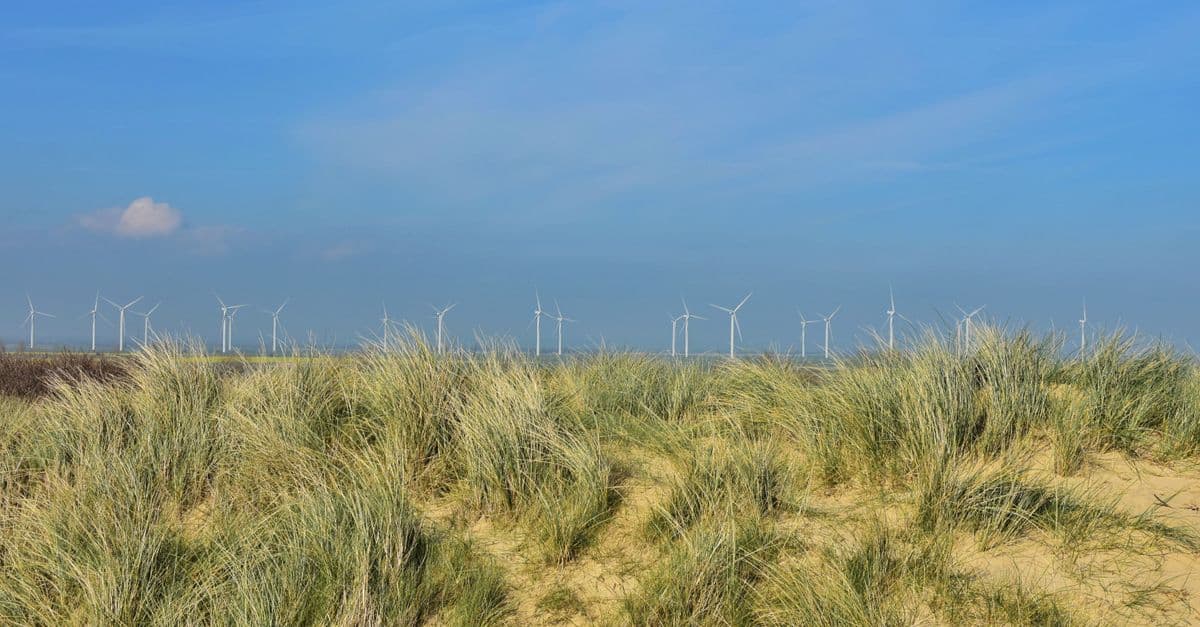
Wind Farm Layout Optimization for Maximum Yield
Optimize wind turbine placement and spacing to maximize farm yield while managing wake effects
What You Can Do
You can use Claude to evaluate turbine placement concepts, quantify wake losses across layout scenarios, assess feasibility against site constraints, and identify optimization opportunities before detailed engineering. Claude helps you compare competing layouts, document design decisions, and troubleshoot yield predictions by analyzing wake interaction patterns and cost-benefit tradeoffs.
Features
Assess 5-20% wake effects across turbine positions and wind directions
Evaluate multiple placement strategies and quantify yield differences
Validate designs against property boundaries, environmental buffers, and infrastructure limits
Analyze interdependencies between turbine spacing, cable routing, and foundation costs
Solve turbine spacing in constrained geometries (narrow properties, irregular shapes)
Generate clear rationale and assumptions for stakeholder review
Diagnose why layouts underperform by analyzing wake patterns and wind resource distribution
Example Output
Example 1: Wake Loss Analysis
- Scenario A (rectangular grid): 12.5% average wake loss, 45 MW net yield
- Scenario B (offset rows): 8.2% average wake loss, 48.5 MW net yield
- Recommendation: Offset layout gains 3.5 MW with improved northeast wind corridor utilization
Example 2: Constraint Assessment
- 25 turbine positions screened against setback requirements
- 3 positions eliminated (neighbor buffer conflicts)
- 2 positions flagged for environmental survey (wetland proximity)
- 20 positions validated for infrastructure access
Example 3: Cost-Yield Tradeoff
- Tighter spacing (500m): $2.1M cable savings, 6% higher wake losses, net benefit $1.8M NPV
What's Included
- SKILL.md: Complete framework for wind farm layout optimization workflow
- Layout Evaluation Template: Structured checklist for assessing placement scenarios against wake models and constraints
- Wake Loss Calculation Guide: Methods for estimating wake effects across turbine positions
- Site Constraint Mapper: Framework for documenting environmental, infrastructure, and property boundary limits
- Scenario Comparison Matrix: Decision support tool for ranking layout options by yield, cost, and feasibility
Who It's For
- Wind farm layout engineers optimizing turbine placement and array configurations
- Renewable energy developers evaluating site feasibility and design tradeoffs
- Project engineers documenting layout decisions for stakeholder approval
- Energy analysts comparing competing turbine positioning scenarios
- Wind resource specialists integrating site-specific wind patterns into layout recommendations
Best For
- Evaluating initial turbine placement concepts for wake losses and yield
- Assessing layout feasibility against site-specific constraints
- Comparing multiple layout scenarios quantitatively
- Identifying cost-yield tradeoffs between spacing and infrastructure routing
- Documenting layout assumptions and engineering decisions for review
- Troubleshooting underperforming designs through wake pattern analysis
You might also like

This skill streamlines the complete solar system design workflow by organizing site data into structured formats and running simultaneous engineering analyses that typically require multiple specialized tools. You can generate precise load calculations, determine optimal array configurations based on site constraints and energy goals, size all balance-of-system components, model financial projections with realistic degradation factors, and validate designs against NEC compliance requirements—compressing 8-12 hours of calculation-heavy work into minutes while supporting data-driven client decision-making.
 by devsoul2026
You can systematically diagnose electrolyzer stack performance issues by analyzing voltage, current, gas purity, and thermal data against known degradation patterns. This skill helps you distinguish between anode/cathode fouling, membrane degradation, electrolyte contamination, thermal imbalance, and electrical inefficiencies—enabling you to schedule preventive maintenance before emergency downtime occurs and maintain hydrogen production economics.
by devsoul2026
You can rapidly generate optimized PV system designs that synthesize site characteristics, equipment specifications, electrical standards, and performance requirements into actionable array layouts and electrical configurations. This skill accelerates design iteration by systematically evaluating competing constraints—energy capture maximization, electrical loss minimization, grid code compliance, thermal management, and cost optimization—without replacing professional engineering judgment, ensuring designs align with industry best practices.
by devsoul2026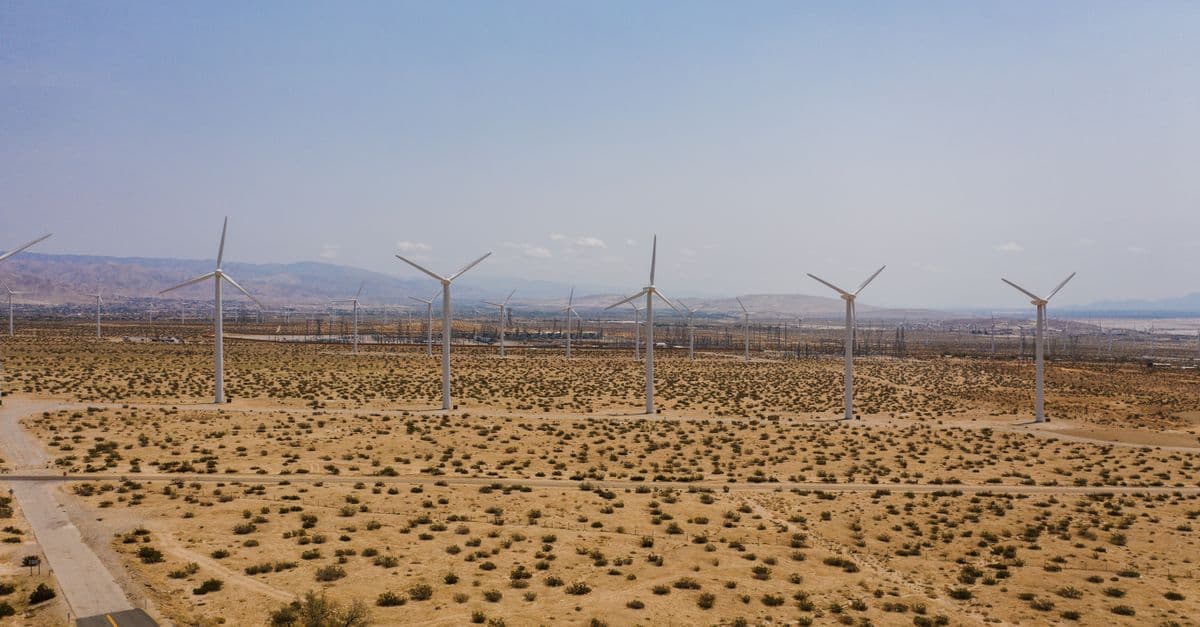
You can model how turbine positioning affects wake losses, capacity factor, and annual energy production (AEP) across your site. Claude helps you incorporate terrain complexity, prevailing wind direction, no-go zones, and spacing constraints into defensible micrositing recommendations that balance energy yield against environmental and regulatory requirements.
by devsoul2026
You can systematically analyze pumped hydro facility performance data to pinpoint efficiency losses, calculate head losses and mechanical degradation impacts, and generate prioritized maintenance and optimization recommendations. This skill synthesizes operational metrics, equipment specifications, and hydraulic calculations to quantify the financial impact of performance degradation and justify capital expenditures for modernization or intervention.
by devsoul2026
You can systematically assess hydrogen pipeline integrity by analyzing pressure dynamics, material degradation risks, and failure modes specific to hydrogen systems. This skill helps you identify hydrogen embrittlement risks, evaluate material specifications for retrofit or new construction, troubleshoot pressure irregularities, and develop evidence-based maintenance schedules that account for hydrogen's unique permeation and corrosion characteristics—enabling you to make informed infrastructure investment decisions and optimize distribution network performance.
by devsoul2026
You can perform iterative aerodynamic analysis on blade geometries, optimize airfoil selection and twist distribution for maximum energy capture, generate power curves and annual energy production (AEP) forecasts across representative wind resources, conduct load analysis across operational conditions, and verify designs against IEC 61400 regulatory standards. Claude synthesizes complex design interdependencies to surface structural constraints and trade-offs early in the iteration cycle, accelerating your path from concept to validated design.
by devsoul2026
You can design robust geothermal wellbores that withstand extreme thermal gradients, high-temperature steam zones, and corrosive geothermal fluids over multi-decade production lifecycles. This skill guides you through modeling accurate temperature profiles, selecting thermally-stable casing programs, choosing drilling fluids for elevated temperatures, and calculating pressure regimes that account for hydrostatic, lithostatic, and thermal stresses. The result is engineered wellbore designs that maximize resource contact while maintaining long-term integrity and regulatory compliance.
by devsoul2026