

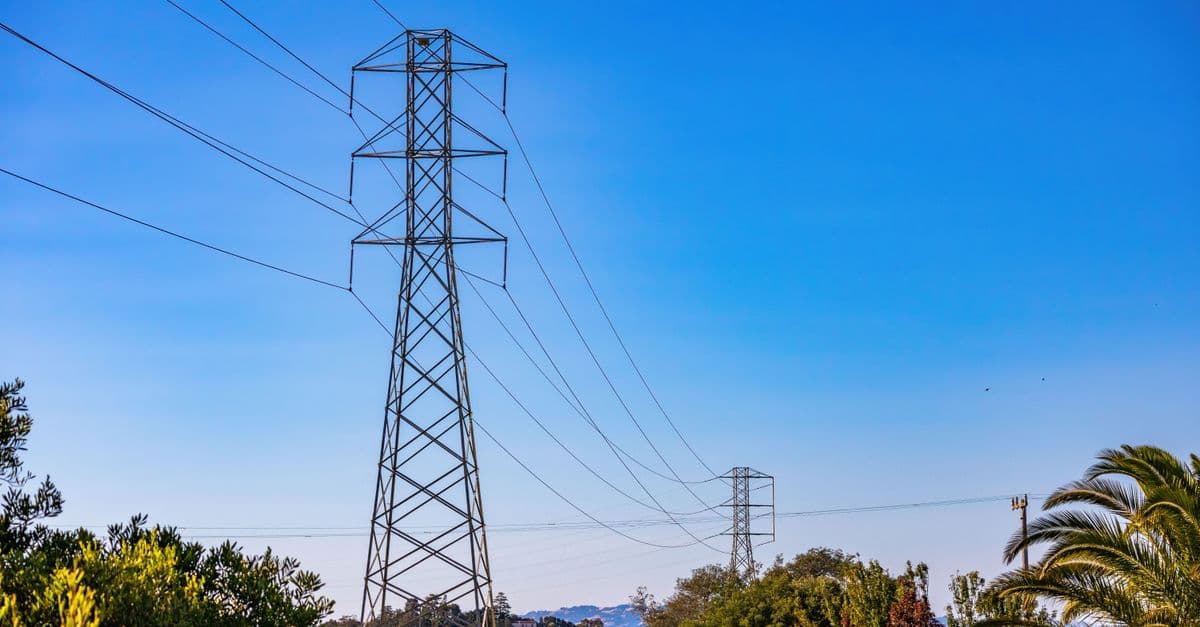
Utility-Scale PV System Design Optimizer
Optimize utility-scale PV array layouts, electrical configs, and BOS designs
What You Can Do
You can rapidly generate optimized PV system designs that synthesize site characteristics, equipment specifications, electrical standards, and performance requirements into actionable array layouts and electrical configurations. This skill accelerates design iteration by systematically evaluating competing constraints—energy capture maximization, electrical loss minimization, grid code compliance, thermal management, and cost optimization—without replacing professional engineering judgment, ensuring designs align with industry best practices.
Features
generates fixed-tilt and tracking configurations considering site topography, shading analysis, and space utilization
calculates optimal string sizing, voltage levels, and combiner box arrangements to minimize resistive losses
matches central, string, or hybrid inverter architectures to system scale and electrical requirements
recommends transformer capacity, switchgear ratings, cable sizing, grounding design, and disconnects
estimates annual energy production (PRy), capacity factors, and thermal losses for baseline and alternative designs
ensures designs meet utility voltage limits, harmonics standards, and fault protection requirements
rapidly evaluates multiple orientations, equipment selections, and configurations for comparative analysis
provides preliminary cost estimates and performance metrics for early-stage project evaluation
Example Output
Example 1: 50MW Fixed-Tilt System Design
- Array configuration: 2,667 strings × 20 modules (500W) = 26.67MWdc
- String voltage: 770V DC (optimal for 1500V transformer secondary)
- Combiner layout: 8 combiners × 334 strings, feeding 4 string inverters (6.25MVA each)
- Conductor sizing: 2/0 AWG (60m max run), estimated losses: 2.1% at rated power
- Transformer: 30MVA, 1500V DC to 480V AC, cooling load: 450kW
- Annual production estimate: 85.2 GWh (PRy 71%), peak monthly output: July 8.2MW
Example 2: Tracking System Trade-Off Analysis
- Single-axis tracking adds 8.5% annual production vs. fixed-tilt (+7.2 GWh/year)
- Capital cost premium: +12% tracker hardware + foundation upgrades
- Electrical complexity: increased string count (3,100 strings), requires dual-inverter redundancy
- Recommendation: tracking justified for sites >900 kWh/m²/year GHI
What's Included
- SKILL.md instruction file with design methodology and constraints framework:
- Array Layout Worksheet: site dimensions, topography inputs, shading analysis matrix
- String Configuration Calculator: voltage drop, losses, and optimal string length recommendations
- Inverter Selection Checklist: equipment specifications, power factor requirements, and backup power needs
- Balance-of-System Design Template: transformer, switchgear, cabling, and grounding specifications
- Performance Modeling Calculator: GHI data inputs, performance ratio assumptions, and annual production estimates
Who It's For
- Solar engineers — designing utility-scale projects from feasibility through detail engineering phases
- Project developers — evaluating technical and economic viability during site assessment and planning
- EPC contractors — accelerating bid preparation and preliminary design for competitive proposals
- Utility planners — assessing distributed solar interconnection impacts and BOS infrastructure requirements
- Energy consultants — conducting preliminary feasibility studies and comparative technology analysis
Best For
- Preliminary system design and baseline configuration generation
- Array layout optimization for complex terrain and shading constraints
- String configuration and electrical loss minimization analysis
- Inverter architecture selection and sizing recommendations
- Design iteration and comparative scenario evaluation (fixed vs. tracking, central vs. string inverters)
- Early feasibility assessment and performance prediction
- Balance-of-system specification and component selection
You might also like

You can design robust geothermal wellbores that withstand extreme thermal gradients, high-temperature steam zones, and corrosive geothermal fluids over multi-decade production lifecycles. This skill guides you through modeling accurate temperature profiles, selecting thermally-stable casing programs, choosing drilling fluids for elevated temperatures, and calculating pressure regimes that account for hydrostatic, lithostatic, and thermal stresses. The result is engineered wellbore designs that maximize resource contact while maintaining long-term integrity and regulatory compliance.
 by devsoul2026
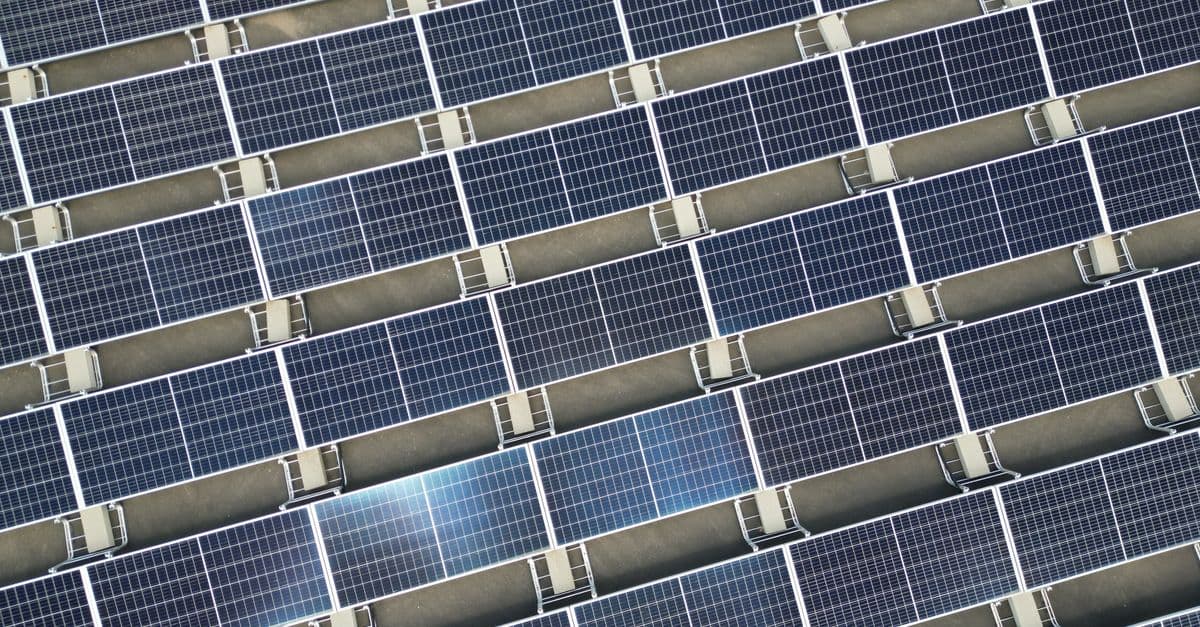
This skill streamlines the complete solar system design workflow by organizing site data into structured formats and running simultaneous engineering analyses that typically require multiple specialized tools. You can generate precise load calculations, determine optimal array configurations based on site constraints and energy goals, size all balance-of-system components, model financial projections with realistic degradation factors, and validate designs against NEC compliance requirements—compressing 8-12 hours of calculation-heavy work into minutes while supporting data-driven client decision-making.
by devsoul2026
You can systematically diagnose electrolyzer stack performance issues by analyzing voltage, current, gas purity, and thermal data against known degradation patterns. This skill helps you distinguish between anode/cathode fouling, membrane degradation, electrolyte contamination, thermal imbalance, and electrical inefficiencies—enabling you to schedule preventive maintenance before emergency downtime occurs and maintain hydrogen production economics.
by devsoul2026
You can rapidly diagnose wind turbine faults by feeding Claude your SCADA data, alarm logs, and sensor readings. Claude structures the diagnostic analysis across mechanical, electrical, and hydraulic subsystems, cross-references symptoms against known failure modes, and generates prioritized hypotheses with specific next steps. This accelerates troubleshooting from hours of manual data review to minutes of focused investigation.
by devsoul2026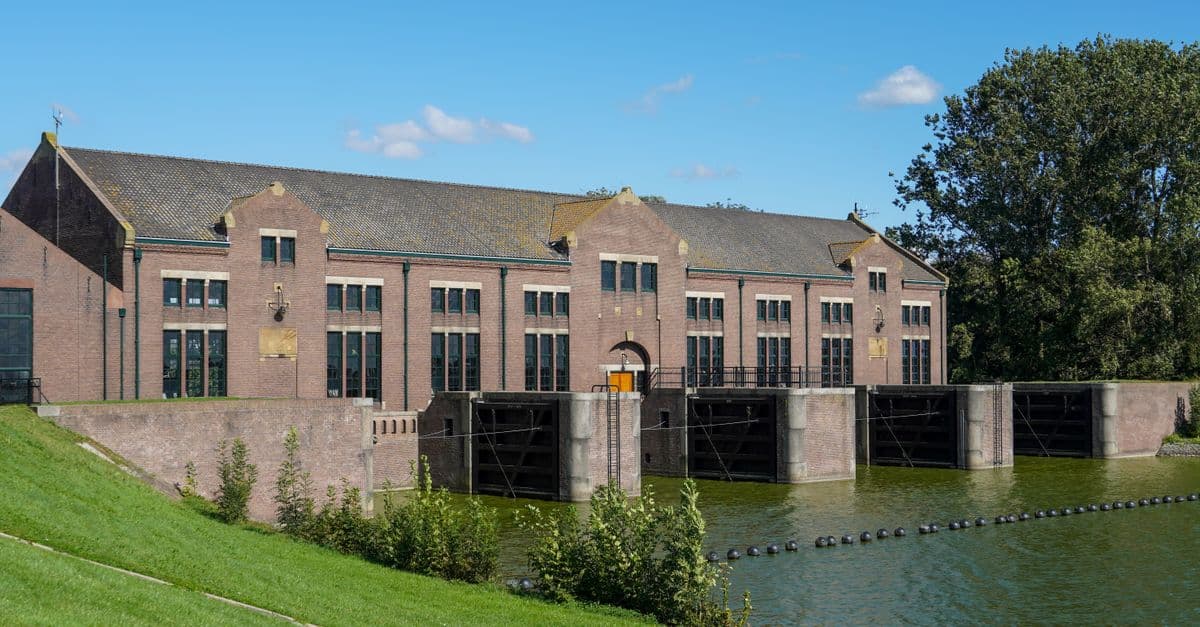
You can systematically analyze pumped hydro facility performance data to pinpoint efficiency losses, calculate head losses and mechanical degradation impacts, and generate prioritized maintenance and optimization recommendations. This skill synthesizes operational metrics, equipment specifications, and hydraulic calculations to quantify the financial impact of performance degradation and justify capital expenditures for modernization or intervention.
by devsoul2026
You can synthesize multi-source geothermal datasets to identify reservoir boundaries, estimate thermal capacity and permeability, map fracture corridors and fault zones, and forecast production sustainability. Claude interprets complex thermal-hydraulic-geochemical relationships to guide drilling decisions, injection well design, and long-term field development strategy without requiring specialized simulation software.
by devsoul2026
You can input solar system parameters, load profiles, and climate conditions, then receive validated battery sizing recommendations that account for depth-of-discharge limits, efficiency losses, thermal derating, and NEC/UL compliance thresholds. The skill systematizes complex interdependencies across voltage, capacity, chemistry selection, and backup power requirements into repeatable engineering workflows that produce defensible designs suitable for permitting and client presentations.
by devsoul2026
You can organize complex multi-load scenarios—gravitational, aerodynamic, hydrodynamic, inertial, and thermal—into verified load cases that comply with IEC 61400-1 standards. Claude helps you map design situations into quantified load combinations, create traceable load case documentation, and identify missing or contradictory inputs before FEA submission, reducing rework cycles during detailed design phases.
by devsoul2026