

Thermal Energy Storage System Design Analyzer
Analyze and optimize thermal energy storage system designs for efficiency and cost
What You Can Do
You can rapidly model thermal storage system designs across medium-temperature (100–500°C) and high-temperature (>500°C) ranges, comparing molten salt, concrete, phase change materials, and sensible liquid storage media. The skill calculates round-trip efficiency, thermal losses in insulated tanks and piping, heat exchanger sizing, and levelized cost of storage (LCOS) across design variants. You'll evaluate discharge duration scenarios and integration with variable renewable sources to support capacity planning and technology selection decisions.
Features
Compare sensible heat, latent heat (PCM), and hybrid configurations with thermodynamic property lookups
Calculate round-trip efficiency including heat exchanger performance and piping losses
Model insulation performance, ambient heat loss, and temperature stratification in storage tanks
Determine optimal exchanger configurations, pressure drop, and approach temperatures
Compare LCOS across design variants including capital, operating, and maintenance cost scenarios
Model 4-hour, 8-hour, 12-hour and custom discharge configurations
Evaluate charging patterns and performance with solar thermal, CSP, and industrial waste heat sources
Diagnose underperforming systems and recommend optimization strategies
Example Output
Example 1: Molten Salt Storage Comparison
- System capacity: 500 MWh
- Round-trip efficiency: 92.3%
- Tank cost (carbon steel): $2.8M
- Annual heat loss: 4.2% (insulation R-value 15)
- Recommended discharge duration: 6-hour (optimal LCOS)
Example 2: Phase Change Material Tank
- PCM type: Salt hydrate eutectic blend
- Energy density: 180 kWh/m³
- Tank volume required: 2,780 m³
- Charging time (10 MW input): 50 hours
- Pressure drop across heat exchanger: 22 kPa
Example 3: Cost-Benefit Analysis Configuration A (Concrete blocks): $145/kWh, 87% efficiency Configuration B (Molten salt): $185/kWh, 92% efficiency Recommendation: Configuration A for 4-hour discharge; Configuration B for 8+ hour applications with higher value cycling
What's Included
- SKILL.md instruction file with system modeling methodology and application scope:
- Storage Media Comparison Template: thermodynamic properties and cost benchmarks for salt, concrete, PCM, and liquid systems
- Efficiency Calculation Worksheet: round-trip efficiency model with heat loss factors
- LCOS Analysis Framework: capital cost, O&M, and levelized cost calculations across design variants
- System Troubleshooting Checklist: diagnostics for thermal stratification, heat loss, and performance degradation
- Design Optimization Prompts: structured queries for exploring capacity, temperature, and integration scenarios
Who It's For
- Thermal energy storage engineers designing CSP and concentrated solar thermal systems
- Renewable energy system designers integrating storage with solar and industrial heat sources
- Mechanical engineers optimizing district heating and cooling networks
- Energy consultants comparing storage technology options for industrial process heat applications
- Utility planners evaluating grid-scale thermal storage for load shifting and seasonal storage
Best For
- Capacity planning and sizing thermal storage installations
- Comparing sensible heat, latent heat, and hybrid storage media architectures
- Calculating round-trip efficiency and thermal losses in specific system configurations
- Heat exchanger sizing and pressure drop analysis
- Levelized cost of storage (LCOS) analysis across design variants
- Troubleshooting underperforming thermal storage systems
You might also like

This skill streamlines the complete solar system design workflow by organizing site data into structured formats and running simultaneous engineering analyses that typically require multiple specialized tools. You can generate precise load calculations, determine optimal array configurations based on site constraints and energy goals, size all balance-of-system components, model financial projections with realistic degradation factors, and validate designs against NEC compliance requirements—compressing 8-12 hours of calculation-heavy work into minutes while supporting data-driven client decision-making.
 by devsoul2026
You can systematically diagnose electrolyzer stack performance issues by analyzing voltage, current, gas purity, and thermal data against known degradation patterns. This skill helps you distinguish between anode/cathode fouling, membrane degradation, electrolyte contamination, thermal imbalance, and electrical inefficiencies—enabling you to schedule preventive maintenance before emergency downtime occurs and maintain hydrogen production economics.
by devsoul2026
You can rapidly generate optimized PV system designs that synthesize site characteristics, equipment specifications, electrical standards, and performance requirements into actionable array layouts and electrical configurations. This skill accelerates design iteration by systematically evaluating competing constraints—energy capture maximization, electrical loss minimization, grid code compliance, thermal management, and cost optimization—without replacing professional engineering judgment, ensuring designs align with industry best practices.
by devsoul2026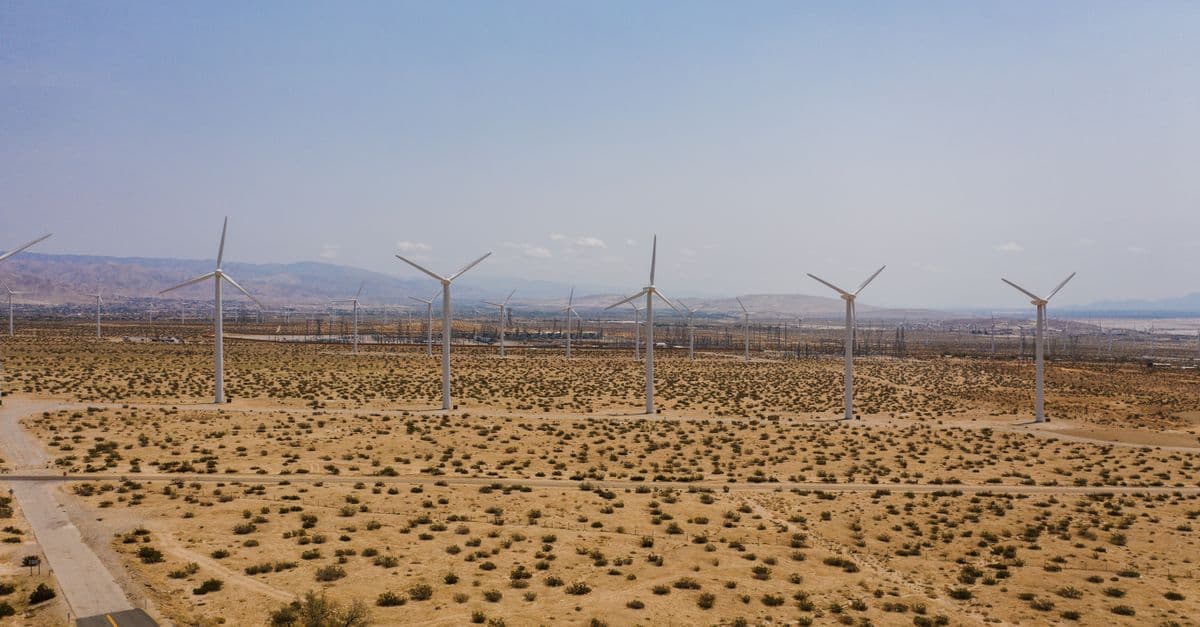
You can model how turbine positioning affects wake losses, capacity factor, and annual energy production (AEP) across your site. Claude helps you incorporate terrain complexity, prevailing wind direction, no-go zones, and spacing constraints into defensible micrositing recommendations that balance energy yield against environmental and regulatory requirements.
by devsoul2026
You can systematically analyze pumped hydro facility performance data to pinpoint efficiency losses, calculate head losses and mechanical degradation impacts, and generate prioritized maintenance and optimization recommendations. This skill synthesizes operational metrics, equipment specifications, and hydraulic calculations to quantify the financial impact of performance degradation and justify capital expenditures for modernization or intervention.
by devsoul2026
You can systematically assess hydrogen pipeline integrity by analyzing pressure dynamics, material degradation risks, and failure modes specific to hydrogen systems. This skill helps you identify hydrogen embrittlement risks, evaluate material specifications for retrofit or new construction, troubleshoot pressure irregularities, and develop evidence-based maintenance schedules that account for hydrogen's unique permeation and corrosion characteristics—enabling you to make informed infrastructure investment decisions and optimize distribution network performance.
by devsoul2026
You can perform iterative aerodynamic analysis on blade geometries, optimize airfoil selection and twist distribution for maximum energy capture, generate power curves and annual energy production (AEP) forecasts across representative wind resources, conduct load analysis across operational conditions, and verify designs against IEC 61400 regulatory standards. Claude synthesizes complex design interdependencies to surface structural constraints and trade-offs early in the iteration cycle, accelerating your path from concept to validated design.
by devsoul2026
You can design robust geothermal wellbores that withstand extreme thermal gradients, high-temperature steam zones, and corrosive geothermal fluids over multi-decade production lifecycles. This skill guides you through modeling accurate temperature profiles, selecting thermally-stable casing programs, choosing drilling fluids for elevated temperatures, and calculating pressure regimes that account for hydrostatic, lithostatic, and thermal stresses. The result is engineered wellbore designs that maximize resource contact while maintaining long-term integrity and regulatory compliance.
by devsoul2026