

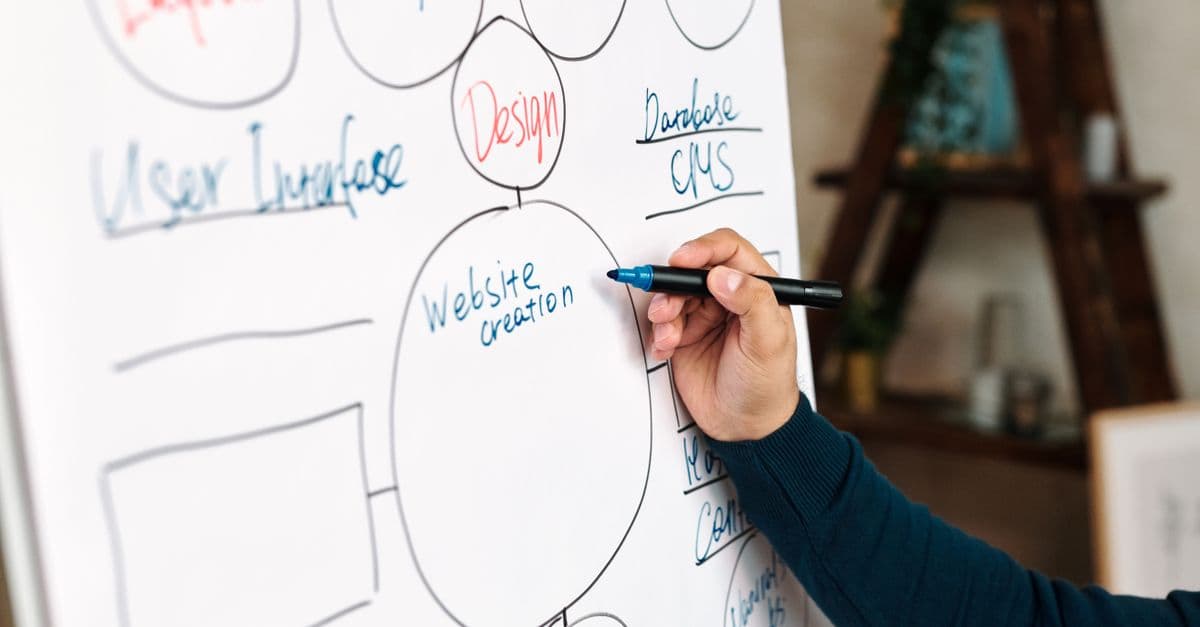
Educational Program Design for Development Contexts
Design equitable education programs for resource-constrained, culturally diverse communities
 by jkfncInternational Development & DiplomacyDevelopmentInternational Development SpecialistEducation
What You Can Do
You can create comprehensive, evidence-based education programs tailored to low-resource development contexts, integrating equity analysis and cultural adaptation strategies from the start. Claude helps you systematically address constraints while building sustainable frameworks that align with local priorities, available resources, and proven educational outcomes. The skill guides you through stakeholder engagement, curriculum design, and monitoring systems that ensure programs remain effective and equitable across diverse learning environments.
Features
Leverage research-backed program design methodologies proven effective in development contexts, including logic models, outcomes mapping, and theory-of-change development tailored to resource-constrained settings.
Systematically assess and address gender, disability, language, and socioeconomic barriers built into program design from the start, with targeted strategies to ensure inclusive learning access.
Adapt educational content, teaching methods, and assessment approaches to align with local languages, values, knowledge systems, and community priorities without compromising learning quality.
Design scalable programs that maximize impact within budget and material constraints, including low-tech alternatives, community resource mobilization, and cost-effective delivery models.
Build collaborative frameworks that meaningfully involve teachers, parents, community leaders, and learners in program design, implementation, and adaptation for greater ownership and sustainability.
Create practical M&E frameworks using simple, locally-appropriate data collection methods that measure both learning outcomes and program equity, sustainability, and contextual fit.
Evaluate financial, institutional, and social sustainability of programs, with strategies to transition from donor funding to locally-resourced implementation and community-led management.
Example Output
Example 1: Secondary Math Program for Rural Kenya
- Program goal: Improve numeracy and financial literacy for 500+ secondary students in 8 rural schools
- Evidence base: Active learning approaches, contextualized math applications to farming and trade
- Equity strategies: Gender parity scholarships, disability accommodations (Braille, sign language), mother-tongue support in Swahili and Kikuyu
- Resource plan: Train 24 existing teachers (no additional cost), adapt existing textbooks, use mobile SMS for practice problems
- Sustainability: School annual budget contribution ($2,000/yr), community fee-for-service support, government partnership for teacher time
- M&E: Quarterly school learning assessments, equity dashboard tracking girl completion and performance rates, annual community satisfaction surveys
Example 2: Early Literacy Program Adaptation for Fragile Context
- Original program (global standard) → adapted for 5 different languages in country with ongoing conflict
- Curriculum: Local storytelling traditions integrated, phonics matched to sound systems, assessment in mother tongue, conflict-sensitive content
- Teacher training: 30-hour workshop with local language facilitators, peer mentoring model for sustainability, trauma-informed pedagogy
- Learning materials: Community-created picture books, locally sourced flashcards, teacher guides in 3 reading levels, materials durable for temporary classrooms
- Equity: Special support for displaced and non-fluent students, teacher strategies for mixed-ability classrooms
Example 3: Program Sustainability Transition Plan (Years 1-5)
- Year 1-2: Donor-funded comprehensive service delivery with international consultant support
- Year 3-4: School/government co-funding model, reduced consultant input, national staff leading
- Year 5+: Fully local leadership and budget, alumni mentor network, progressive parent contribution (scaled to income), local NGO partnership managing operations
What's Included
- Program Design Canvas: Structured template to map your program's context, goals, target learners, evidence base, implementation strategy, and sustainability plan all in one visual document for stakeholder alignment.
- Equity Audit Checklist: Comprehensive assessment tool to evaluate program design for barriers and bias across gender, disability, language, socioeconomic status, and cultural dimensions with remediation strategies.
- Cultural Context Profile Guide: Framework for gathering and analyzing local education context including language, values, existing resources, community priorities, and implementation constraints to inform all design decisions.
- Resource Constraint Solver: Tools and templates for designing high-quality programs within realistic budget and material limits, including low-tech alternatives, shared resources, and community-mobilization strategies.
- Monitoring & Evaluation Toolkit: Simple M&E system templates including indicator definitions, data collection forms, analysis guides, and equity-disaggregated reporting dashboards designed for low-resource settings.
- Stakeholder Engagement Strategy Template: Structured approach to design collaborative processes that meaningfully involve teachers, parents, learners, and community leaders in program co-design and adaptation cycles.
Who It's For
- Education Program Managers at NGOs and International Development Organizations
- Government Education Officials and Policy Advisors in Developing Countries
- Curriculum Developers and Instructional Designers Serving Low-Resource Schools
- School Leaders and Administrators in Resource-Constrained Communities
- Education Consultants and Development Specialists Designing Sustainable Programs
Best For
- Designing new education programs for resource-constrained, culturally diverse development contexts
- Adapting global education programs to align with local languages, cultures, and available resources
- Conducting equity audits of existing programs to identify and address barriers for marginalized learners
- Building monitoring and evaluation systems that work with limited data collection infrastructure
- Creating sustainability strategies to transition programs from donor funding to locally-resourced models
You might also like

Build comprehensive international education programs from scratch, including curriculum design, student learning outcomes, partnership frameworks, and cultural competency assessments. You can generate detailed program proposals, develop implementation timelines, create assessment rubrics, and design cross-cultural learning experiences that prepare students for global engagement.
by jkfnc
Conduct rapid, evidence-based governance assessments across multiple institutional dimensions to identify capacity gaps and generate prioritized reform recommendations. You'll map stakeholder landscapes, benchmark performance against governance standards, and produce actionable institutional development roadmaps tailored to your context.
by jkfnc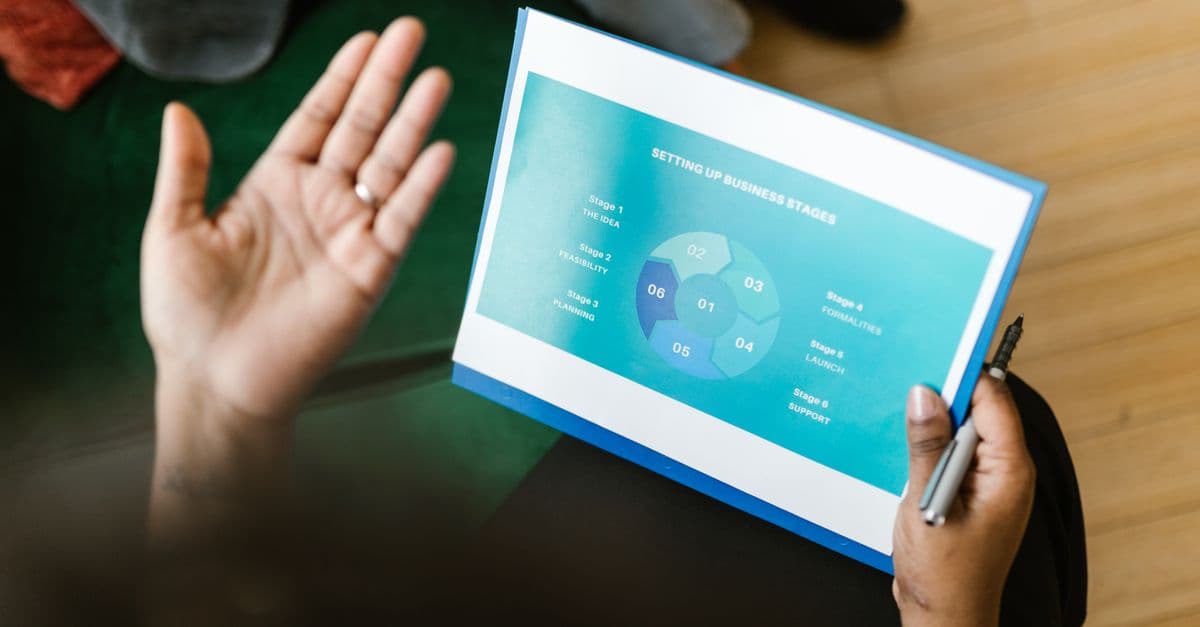
You can develop comprehensive impact evaluation frameworks tailored to your development interventions, including theory of change models, mixed-method data instruments, and structured analysis plans. The skill helps you specify outcome indicators, design comparison groups, build sampling strategies, and plan qualitative and quantitative analysis approaches that generate credible evidence of program impact.
by jkfnc
You can quickly triage humanitarian crises, identify critical gaps in response capacity, and develop coordinated multi-sector response plans—even when working with fragmentary information and severe time pressure. This skill synthesizes data sources, maps stakeholder capabilities, and produces actionable response strategies that prioritize life-saving interventions.
by jkfnc
You can submit any camp scenario—weather emergencies, staff shortages, equipment failures, or program changes—and Claude will analyze the situation thoroughly, identify risks and stakeholder impacts, and generate detailed contingency plans with step-by-step actions, resource assignments, and communication templates. The skill helps you prepare for disruptions before they happen and respond decisively when they do.
by jkfnc
You can develop comprehensive mine closure plans that synthesize environmental, regulatory, and operational factors into executable strategies. This skill helps you identify closure-phase environmental risks (acid rock drainage, tailings stability, pit lakes, dust control), map multi-jurisdictional compliance requirements, structure detailed closure sequences with clear responsibilities and timelines, and integrate stakeholder concerns into planning documentation. The result is a defensible closure plan ready for regulatory submission and community engagement.
by jkfnc
Create comprehensive Theory of Change frameworks that map your program's activities through intermediate outcomes to long-term impact. You'll develop causal logic models with explicit assumptions, validate impact pathways before implementation, and generate stakeholder-ready visualizations and documentation that communicate your organization's impact strategy with clarity and evidence.
by jkfnc
You can design comprehensive, multi-source data collection systems that integrate quality assurance and field documentation for development projects. The skill helps you develop sampling strategies tailored to your project scope, create standardized data collection tools, and establish quality protocols that ensure reliable M&E outcomes. You'll produce complete frameworks that balance data rigor with practical field implementation constraints.
by jkfnc