


Battery Thermal Management System Analyzer
Analyze battery thermal dynamics and optimize cooling strategies for energy storage systems
What You Can Do
You can systematically analyze temperature dynamics, cooling effectiveness, and thermal-induced degradation across battery installations. This skill transforms raw thermal data into actionable insights—identifying thermal anomalies, modeling state-of-health degradation, and generating engineering specifications for cooling strategy improvements that extend asset life and reduce operational costs.
Features
detects hot spots and uneven thermal distribution
compares actual vs. design specifications to identify efficiency losses
quantifies state-of-health impact from temperature exposure using validated degradation curves
identifies unexpected temperature spikes, runaway risks, and early-warning indicators
recommends passive vs. active cooling improvements with expected performance gains
optimizes cooling resource distribution across multiple battery systems
generates engineering requirements for new installations based on duty cycles
establishes temperature thresholds and intervention timelines for proactive maintenance
Example Output
Example 1: Thermal Anomaly Detection Report
- Module 7 temperature: 48°C (6°C above baseline) — suggests coolant flow restriction
- Root cause: Possible sediment buildup in manifold branch line
- Recommendation: Flush cooling circuit and inspect flow valve within 72 hours
- Expected impact: Restore 2-3°C temperature reduction
Example 2: Degradation Impact Analysis
- Current thermal exposure: 2,450 cumulative degree-hours above 35°C baseline
- Estimated SOH impact: 3.2% additional capacity fade (vs. 1.8% with optimal thermal management)
- Annual cost impact: $47,000 in lost energy production
- Cooling upgrade ROI: 14 months payback with upgraded heat exchanger
Example 3: Cooling Strategy Recommendation
- Current system: Passive air cooling, 8°C ΔT at peak load
- Proposed upgrade: Hybrid active cooling with variable-speed fan
- Performance gain: Reduce peak temperature by 12°C, extend cycle life by 2.3 years
- Specification: 15 kW auxiliary cooling capacity, 0.5 ton/hour thermal transfer minimum
What's Included
- SKILL.md: Complete thermal analysis methodology and troubleshooting framework
- Thermal data template: Standardized format for temperature readings, cooling inputs, and system specifications
- Degradation modeling worksheet: Pre-configured calculations for thermal-induced SOH loss using Arrhenius degradation curves
- Cooling performance checklist: Evaluation criteria for comparing passive vs. active cooling strategies
- Anomaly detection thresholds: Temperature alarm triggers and escalation protocols for different system types
Who It's For
- Battery Energy Storage Engineers — optimizing BESS thermal performance and extending asset life
- Operations & Maintenance Managers — monitoring grid-scale battery installations and scheduling preventive maintenance
- Energy Storage Project Developers — specifying cooling requirements for new installations and system upgrades
- Renewable Energy Integrators — troubleshooting thermal issues in deployed battery systems
- Facilities Engineers — managing balance-of-plant cooling for co-located energy storage assets
Best For
- Real-time thermal performance monitoring across multi-module battery systems
- Identifying thermal anomalies and degradation risks before performance failures
- Evaluating cooling system effectiveness against design specifications
- Developing cooling strategy optimization recommendations with ROI projections
- Creating thermal management specifications and maintenance protocols for energy storage installations
You might also like

This skill streamlines the complete solar system design workflow by organizing site data into structured formats and running simultaneous engineering analyses that typically require multiple specialized tools. You can generate precise load calculations, determine optimal array configurations based on site constraints and energy goals, size all balance-of-system components, model financial projections with realistic degradation factors, and validate designs against NEC compliance requirements—compressing 8-12 hours of calculation-heavy work into minutes while supporting data-driven client decision-making.
 by devsoul2026
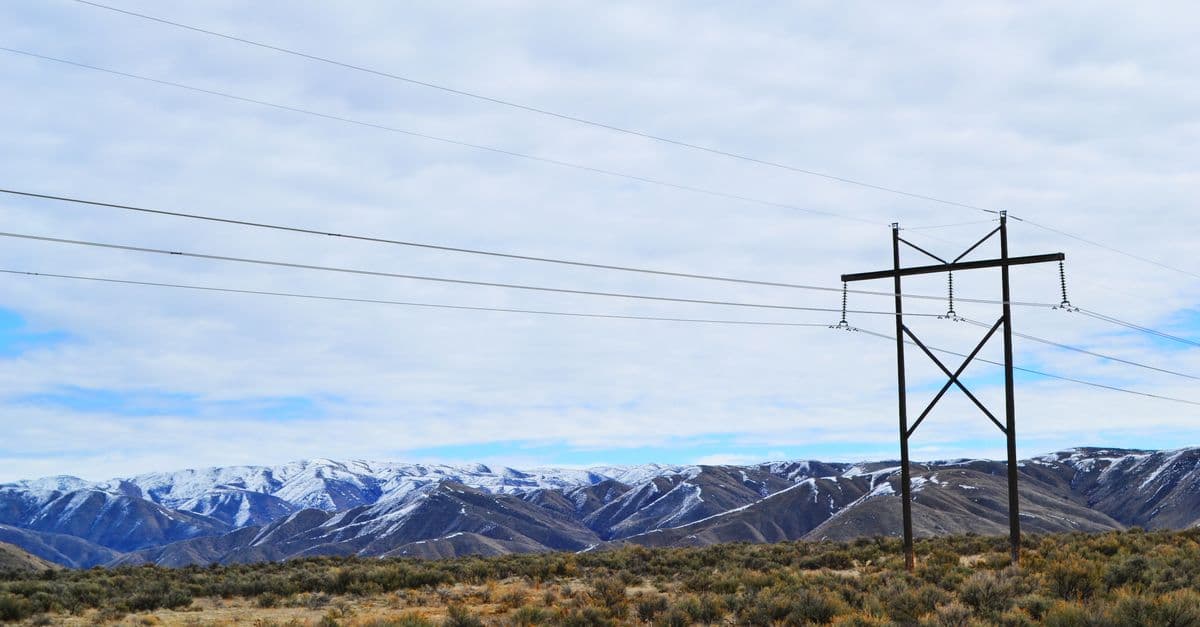
You can systematically diagnose electrolyzer stack performance issues by analyzing voltage, current, gas purity, and thermal data against known degradation patterns. This skill helps you distinguish between anode/cathode fouling, membrane degradation, electrolyte contamination, thermal imbalance, and electrical inefficiencies—enabling you to schedule preventive maintenance before emergency downtime occurs and maintain hydrogen production economics.
by devsoul2026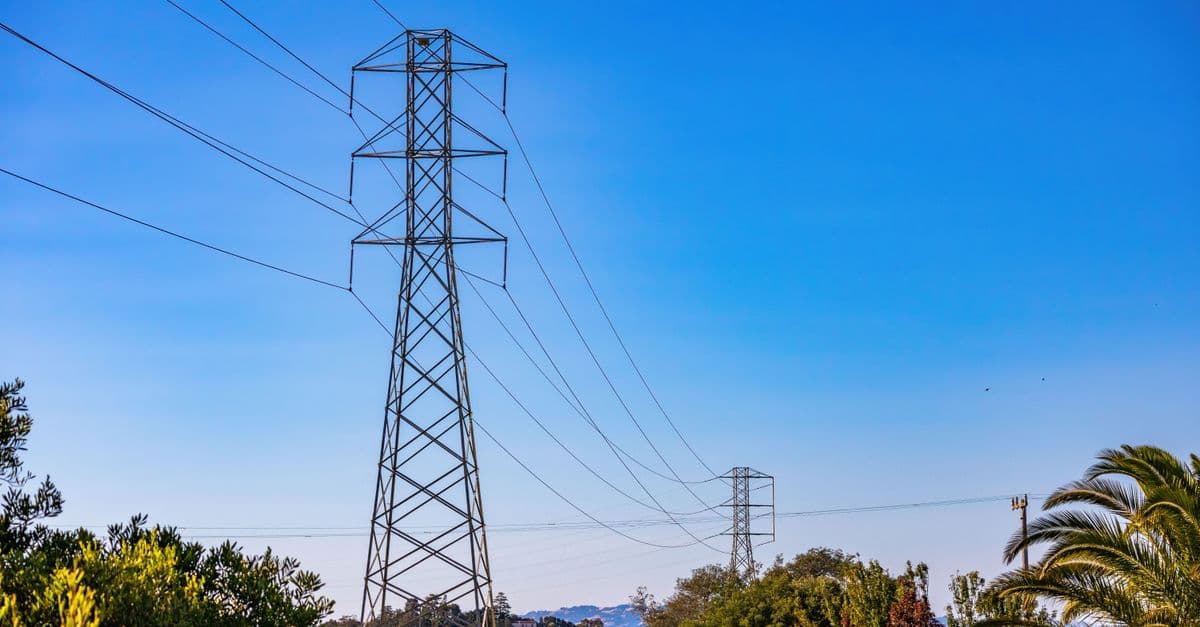
You can rapidly generate optimized PV system designs that synthesize site characteristics, equipment specifications, electrical standards, and performance requirements into actionable array layouts and electrical configurations. This skill accelerates design iteration by systematically evaluating competing constraints—energy capture maximization, electrical loss minimization, grid code compliance, thermal management, and cost optimization—without replacing professional engineering judgment, ensuring designs align with industry best practices.
by devsoul2026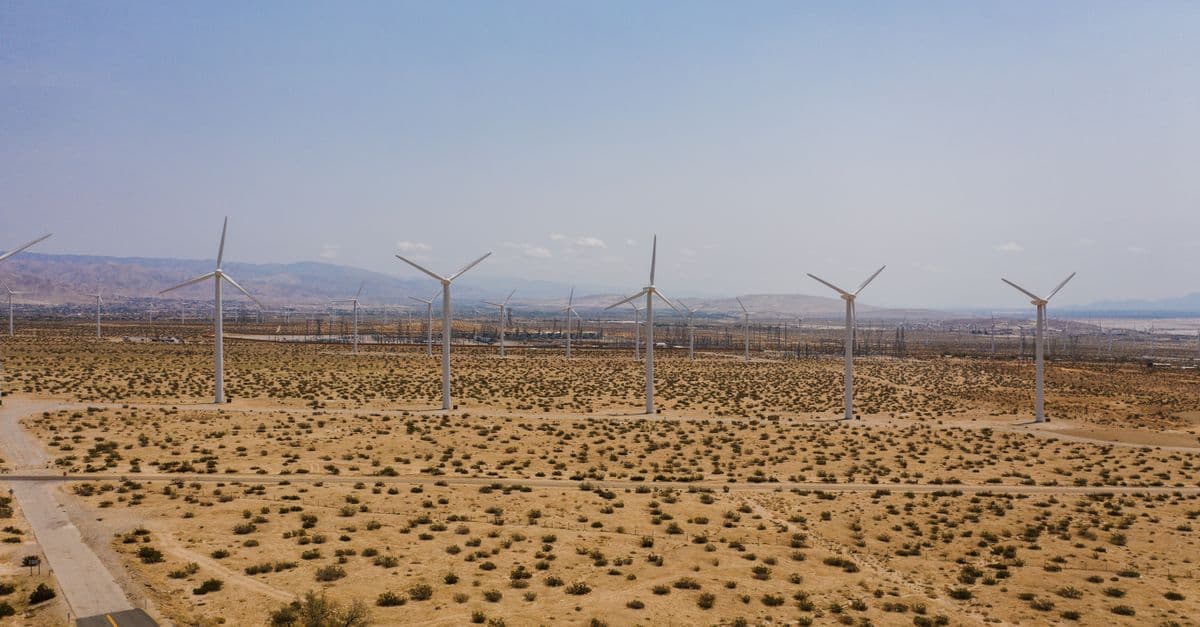
You can model how turbine positioning affects wake losses, capacity factor, and annual energy production (AEP) across your site. Claude helps you incorporate terrain complexity, prevailing wind direction, no-go zones, and spacing constraints into defensible micrositing recommendations that balance energy yield against environmental and regulatory requirements.
by devsoul2026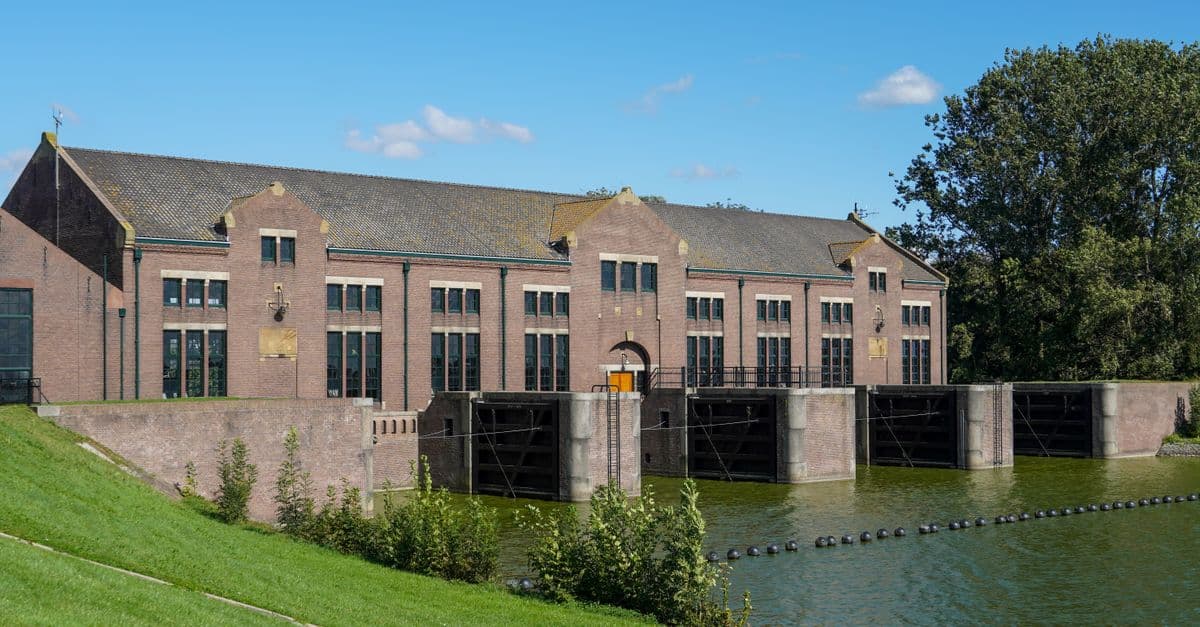
You can systematically analyze pumped hydro facility performance data to pinpoint efficiency losses, calculate head losses and mechanical degradation impacts, and generate prioritized maintenance and optimization recommendations. This skill synthesizes operational metrics, equipment specifications, and hydraulic calculations to quantify the financial impact of performance degradation and justify capital expenditures for modernization or intervention.
by devsoul2026
You can systematically assess hydrogen pipeline integrity by analyzing pressure dynamics, material degradation risks, and failure modes specific to hydrogen systems. This skill helps you identify hydrogen embrittlement risks, evaluate material specifications for retrofit or new construction, troubleshoot pressure irregularities, and develop evidence-based maintenance schedules that account for hydrogen's unique permeation and corrosion characteristics—enabling you to make informed infrastructure investment decisions and optimize distribution network performance.
by devsoul2026
You can perform iterative aerodynamic analysis on blade geometries, optimize airfoil selection and twist distribution for maximum energy capture, generate power curves and annual energy production (AEP) forecasts across representative wind resources, conduct load analysis across operational conditions, and verify designs against IEC 61400 regulatory standards. Claude synthesizes complex design interdependencies to surface structural constraints and trade-offs early in the iteration cycle, accelerating your path from concept to validated design.
by devsoul2026
You can design robust geothermal wellbores that withstand extreme thermal gradients, high-temperature steam zones, and corrosive geothermal fluids over multi-decade production lifecycles. This skill guides you through modeling accurate temperature profiles, selecting thermally-stable casing programs, choosing drilling fluids for elevated temperatures, and calculating pressure regimes that account for hydrostatic, lithostatic, and thermal stresses. The result is engineered wellbore designs that maximize resource contact while maintaining long-term integrity and regulatory compliance.
by devsoul2026