


Metal Recovery Optimization & Diagnosis
Diagnose metal recovery losses and generate testable optimization protocols
What You Can Do
You can convert vague recovery underperformance into specific, testable hypotheses by mapping measured process data against theoretical stoichiometry. The skill guides you to isolate whether losses stem from chemical (incomplete reaction), operational (equipment malfunction), or characterization issues (ore property changes), then prioritizes loss mechanisms by impact potential and translates findings into controlled bench-scale or pilot test protocols.
Features
systematically differentiate between extraction losses (leaching, flotation, roasting) and product recovery losses (precipitation, filtration, smelting)
rank suspected loss mechanisms by potential impact and likelihood based on process data and ore characteristics
compare actual recovery against theoretical yields to pinpoint chemical or operational deviations
generate structured bench-scale and pilot-scale experiments with defined variables, controls, and success metrics
estimate the recovery percentage gain achievable from each loss mechanism remediation
document findings and recommendations for management approval of process modifications
contextualizes your process performance against literature data and comparable mill operations
structures root cause findings for quality and compliance reporting requirements
Example Output
Example 1: Low Flotation Recovery Diagnosis
- Problem: Cu recovery dropped 3% month-over-month
- Diagnosis Output: Flotation recovery 78% (target 88%). Leach efficiency unchanged at 94%. Root cause: flotation concentrate grade 22% Cu vs. baseline 25% Cu suggests altered froth stability or collector depletion.
- Hypothesis: Insufficient collector dosing due to ore hardness increase from new supplier
- Test Protocol: Increase collector by 15%, measure concentrate grade and recovery in 4-hour pilot flotation with new ore batch
Example 2: Smelter Product Loss Analysis
- Problem: Overall recovery 82% vs. 87% target
- Diagnosis Output: Leach recovery 96%, flotation recovery 88%, but smelting recovery only 79%. Loss calculated at 8% of final product weight.
- Hypothesis: Excessive slag carry-over or incomplete settling in reverberatory furnace
- Test Protocol: (1) Reduce temperature 50°C and measure slag viscosity, (2) extend settling time by 20 min, (3) sample slag composition before/after—target <3% Cu in slag vs. current 4.2%
What's Included
- SKILL.md instruction file with structured diagnostic framework:
- Process loss mapping template (extraction vs. recovery stage classification):
- Stoichiometric balance worksheet with mass-balance calculations:
- Hypothesis prioritization matrix (impact × likelihood × implementation effort):
- Test protocol template (bench-scale and pilot-scale experimental design):
- Root cause documentation checklist for compliance and management reporting:
Who It's For
- Process metallurgists troubleshooting mill recovery underperformance or new ore sources
- Operations managers justifying capital investment in process modifications or equipment upgrades
- Quality assurance and regulatory compliance specialists documenting root cause investigations
- Mining engineers designing pilot-scale experiments to validate optimization hypotheses
- Extractive metallurgy researchers benchmarking process efficiency against peer sites or literature
Best For
- Diagnosing unexpected drops in metal recovery (2–5% below baseline or target)
- Prioritizing among multiple suspected loss mechanisms when recovery data is incomplete
- Designing controlled experiments to isolate chemical, operational, or ore property causes
- Documenting technical justifications for process modifications or operational changes
- Troubleshooting performance changes when ore source, supplier, or seasonal conditions shift
You might also like

You can submit any camp scenario—weather emergencies, staff shortages, equipment failures, or program changes—and Claude will analyze the situation thoroughly, identify risks and stakeholder impacts, and generate detailed contingency plans with step-by-step actions, resource assignments, and communication templates. The skill helps you prepare for disruptions before they happen and respond decisively when they do.
 by jkfnc
You can develop comprehensive mine closure plans that synthesize environmental, regulatory, and operational factors into executable strategies. This skill helps you identify closure-phase environmental risks (acid rock drainage, tailings stability, pit lakes, dust control), map multi-jurisdictional compliance requirements, structure detailed closure sequences with clear responsibilities and timelines, and integrate stakeholder concerns into planning documentation. The result is a defensible closure plan ready for regulatory submission and community engagement.
by jkfnc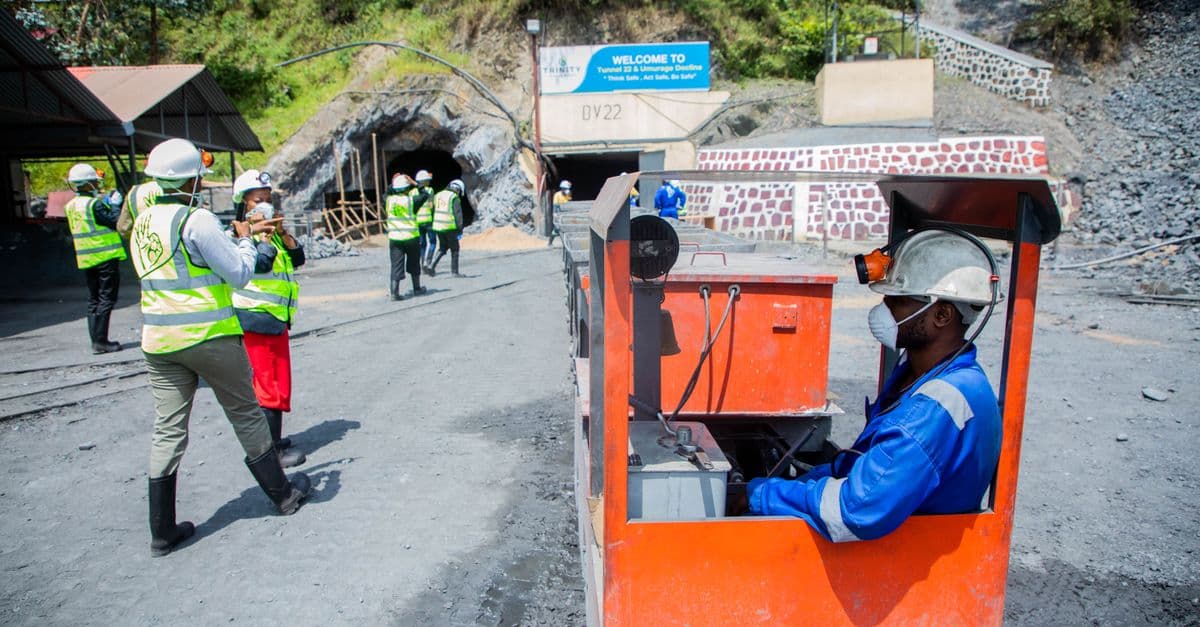
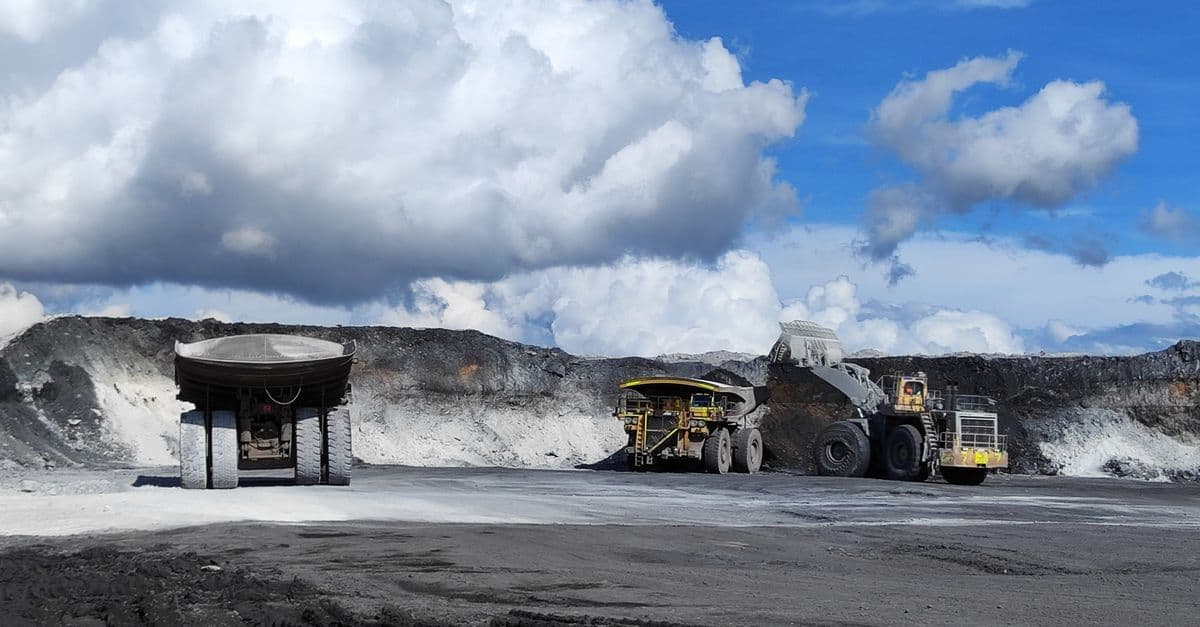
You can leverage Claude to analyze geological logs and rock mass data, calculate optimized drill patterns with precise burden-spacing, predict fragmentation distribution and muckpile behavior, and generate complete blast design documentation that meets regulatory requirements. Claude helps you explore trade-offs between fragment size and powder factor, assess environmental sensitivity, design perimeter control strategies, and troubleshoot previous blast performance to continuously improve outcomes.
by jkfnc
You can systematically evaluate supply chain vulnerabilities, identify cascading failure modes, and develop detailed contingency plans for humanitarian operations. The skill creates structured risk matrices, maps dependencies between logistics nodes, and generates actionable mitigation strategies tailored to your operational context. You'll receive comprehensive risk assessments that account for geopolitical factors, infrastructure constraints, and resource availability.
by jkfnc
This skill analyzes field data from humanitarian operations to forecast supply shortages before they occur, optimize distribution routes across complex geographies, and coordinate inventory across multiple sites. You provide operational data, and Claude delivers actionable logistics recommendations that reduce waste, improve response times, and ensure critical supplies reach those who need them most.
by jkfnc
Accelerate supply chain planning for disaster relief, refugee operations, and humanitarian missions by analyzing complex logistics scenarios, identifying bottlenecks, and generating contingency plans. You'll coordinate multi-stakeholder logistics networks, optimize resource allocation across regions, and stress-test supply chains for disruption scenarios—reducing planning time from weeks to hours.
by jkfnc
This skill helps you evaluate governance structures, identify institutional weaknesses, and design evidence-based reforms. You can analyze existing governance systems across public agencies, nonprofits, or organizations, benchmark them against best practices, and develop comprehensive reform roadmaps with implementation strategies and change management approaches.
by jkfnc
You can develop comprehensive impact evaluation frameworks tailored to your development interventions, including theory of change models, mixed-method data instruments, and structured analysis plans. The skill helps you specify outcome indicators, design comparison groups, build sampling strategies, and plan qualitative and quantitative analysis approaches that generate credible evidence of program impact.
by jkfnc