

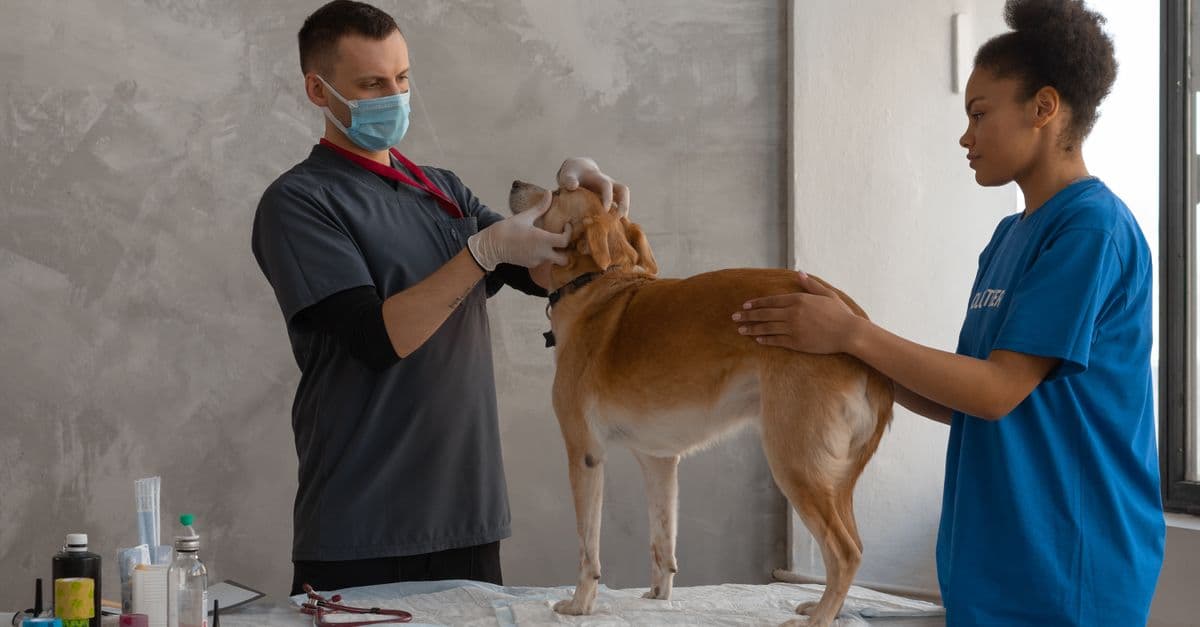
Veterinary Dental Case Assessment & Post-Op Protocol
Generate structured pre-op assessments and post-op protocols for companion animal dentistry
What You Can Do
You receive comprehensive pre-operative risk assessments and structured post-operative care protocols tailored to your specific dental cases. This skill systematically evaluates surgical candidates, documents pathology with standardized dental charting, develops multimodal pain management plans, and creates client-ready discharge instructions that reduce post-operative complications and improve recovery outcomes.
Features
Systematic evaluation of surgical candidacy with risk classification (low, moderate, high) incorporating patient age, comorbidities, medications, and recent lab work to guide anesthetic planning.
Complete documentation of all teeth using universal numbering, Miller classification for periodontal disease, and precise notation of pathology, restorations, and treatment decisions.
Customized drug selection and dosing based on patient-specific risk factors, renal and hepatic function, and concurrent medications to optimize surgical safety.
Evidence-based analgesia protocols combining NSAIDs, opioids, local anesthetics, and adjunctive therapies with specific dosing schedules and monitoring parameters.
Daily assessment protocols for the first 10 days post-op with specific clinical parameters to identify infection, bleeding, swelling, or delayed healing requiring intervention.
Professional-grade discharge documents including activity restrictions, feeding progression, medication administration, warning signs requiring emergency contact, and follow-up timeline.
Guided decision support between extraction and restoration options based on patient factors, tooth viability, long-term outcomes, and owner capabilities and preferences.
Example Output
Pre-operative Assessment Summary:
- Patient Risk Classification: Moderate Risk (age 9, Stage 2 CKD, controlled diabetes)
- Recommended Anesthetic Protocol: Dexmedetomidine + low-dose opioid; avoid aminoglycosides
- Pre-operative Lab Priorities: Renal panel, coagulation profile, blood glucose monitoring
- Surgical Clearance: Conditional (recommend IV fluids, close monitoring)
Dental Charting (Canine Dentition):
- Tooth 109: Stage 4 gingivitis, 8mm probing depth, mobility grade 3, recommend extraction
- Tooth 110: Stage 3 periodontitis, 6mm probing depth, mobility grade 2, consider extraction vs. extraction
- Tooth 104-108: Stage 2 disease, suitable for scaling/root planing
Post-operative Protocol (Days 1-10):
- Days 1-3: Carprofen 2mg/kg BID, buprenorphine 0.01mg/kg TID, soft food only, restricted activity
- Days 4-7: Carprofen 2mg/kg BID, soft food, brief leashed walks only, monitor extraction sites for bleeding
- Days 8-10: Carprofen 2mg/kg BID daily only, gradual return to normal diet, suture removal day 10-14
Client Warning Signs: Excessive swelling after day 3, persistent bleeding, difficulty swallowing, behavioral changes, fever above 102.5F, loss of appetite beyond 48 hours.
What's Included
- Pre-operative Assessment Template: Structured evaluation form capturing patient demographics, medical history, physical examination findings, and risk stratification for surgical planning.
- Anesthetic Protocol Module: Customized drug recommendations with specific dosing, pre-operative fasting guidelines, and perioperative monitoring parameters based on individual patient factors.
- Dental Charting System: Complete oral documentation using universal tooth numbering, disease classification, and standardized notation enabling clear communication and treatment planning.
- Post-operative Protocol Generator: Stage-specific care instructions (immediate, week 1-2, week 3-8) including activity restriction levels, feeding progressions, and clinical milestones.
- Pain Management Protocol Suite: Multimodal analgesic recommendations with medication classes, specific drug choices, dosing schedules, and efficacy monitoring for 10-14 day recovery period.
- Client Communication Package: Ready-to-print discharge instructions, warning sign checklist, medication administration guide, and follow-up appointment scheduling template.
Who It's For
- Veterinary dentists specializing in companion animal oral surgery
- General practice veterinarians performing in-house dental procedures
- Veterinary surgical technicians and dental hygienists
- Veterinary practice managers coordinating dental service delivery
- Emergency veterinarians treating acute dental trauma and infections
Best For
- Pre-operative risk assessment for high-risk or geriatric patients
- Comprehensive case planning for multi-tooth extractions
- Post-operative recovery protocol development
- Pain management protocol design and medication selection
- Client communication and discharge instruction preparation
You might also like
You can audit and standardize operations, compliance protocols, and team performance across all your veterinary clinic locations simultaneously. This skill helps you create consistent Standard Operating Procedures (SOPs), track compliance metrics, benchmark staff performance, and identify operational bottlenecks across your multi-location practice. You'll gain visibility into financial performance, inventory management, and quality metrics across all clinics, enabling data-driven decisions that improve profitability and patient care consistency.
 by russell-cell

This skill consolidates inventory, staff scheduling, financials, and compliance data from all your veterinary clinic locations into unified dashboards and reports. You get real-time visibility into stock levels, staffing efficiency, revenue trends, and regulatory compliance across the entire practice. Generate action plans that prioritize the highest-impact improvements across all locations.
by russell-cell
Generate customized standard operating procedures (SOPs) that address your specific practice workflows, staffing levels, and patient care standards. You'll receive polished, implementable protocols for everything from patient intake to emergency procedures that your entire team can follow consistently. These SOPs reduce errors, improve client satisfaction, and establish scalable systems as your practice grows.
by russell-cell
Get rapid, evidence-based triage assessments and treatment recommendations for emergency veterinary cases. You receive structured clinical reasoning for complex presentations, priority-ranked differential diagnoses, and step-by-step treatment algorithms that help you make faster, more confident decisions under pressure. This skill synthesizes emergency protocols, critical care guidelines, and clinical decision trees to support your case management from initial presentation through stabilization.
by russell-cell
This skill automates emergency veterinary patient assessment by structuring vital signs evaluation, injury severity classification, and treatment prioritization. You get immediate clinical guidance for differential diagnosis, stabilization protocols, and medication recommendations tailored to each patient's presentation. It standardizes triage outcomes across your team and reduces decision lag during the critical first minutes when patients need rapid intervention.
by russell-cell
You can streamline emergency hospital operations by managing case prioritization, allocating veterinary staff and equipment efficiently, and optimizing resource deployment during high-volume periods. The skill helps you identify bottlenecks, forecast capacity needs, and adjust workflows in real time to improve patient outcomes and staff efficiency.
by russell-cell
You receive structured guidance for building comprehensive differential diagnoses based on clinical signs, laboratory findings, and signalment data. Claude prioritizes differentials using evidence-based criteria, generates diagnostic algorithms tailored to your case, and suggests cost-effective testing pathways to narrow diagnoses efficiently. This accelerates clinical decision-making and improves diagnostic accuracy in challenging internal medicine presentations.
by russell-cell
Prepare surgical cases by analyzing patient data, risk factors, and anatomical considerations to generate customized approach plans and procedural checklists. You receive a structured surgical strategy that includes approach options, complication contingencies, and post-operative protocols, reducing case preparation time and improving team coordination.
by russell-cell