

Traffic Impact Analysis Generator for Development Projects
Generate traffic impact assessments and mitigation strategies for development projects
What You Can Do
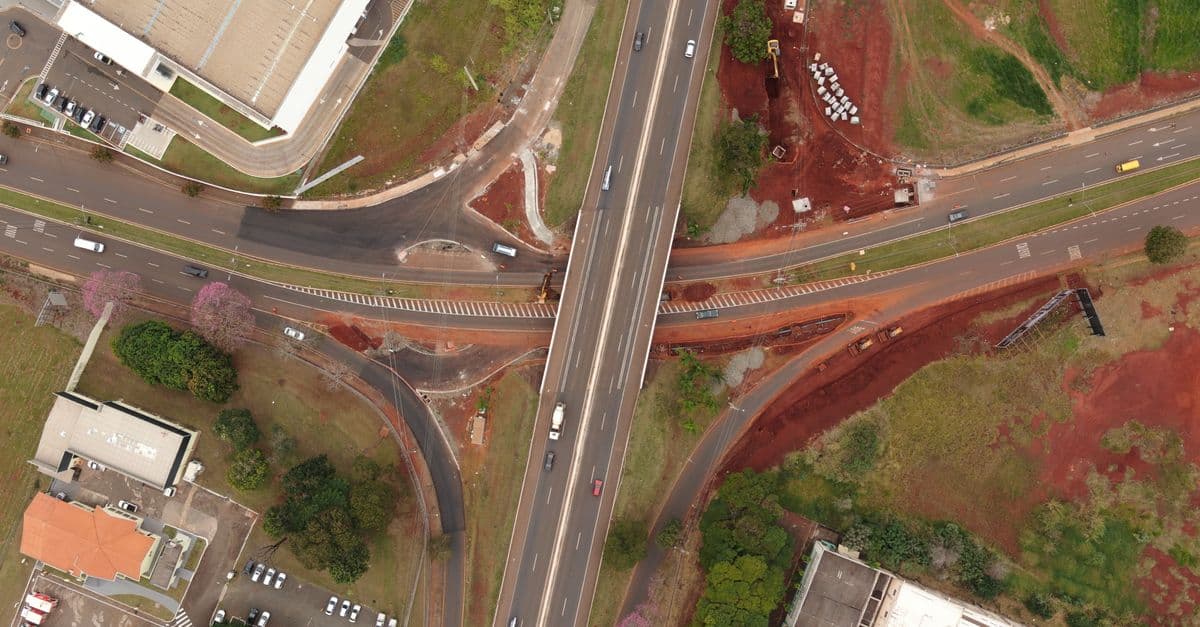
You can generate rigorous traffic impact assessments that quantify how proposed developments affect surrounding road networks. The skill helps you calculate trip generation estimates using ITE data, analyze intersection operations and level-of-service, model traffic distribution patterns, and develop defensible mitigation strategies—all structured to meet municipal requirements and satisfy technical review standards.
Features
Estimate vehicle trips using ITE methodologies based on land use type, size, and development parameters
Calculate intersection capacity, delay metrics, and operational performance under existing and projected conditions
Assign trips to network routes and develop origin-destination patterns based on site location and network connectivity
Generate tailored improvements (signal timing, turn lanes, access modifications) with quantified effectiveness estimates
Structure findings to satisfy local transportation review standards and TIS submission requirements
Evaluate intersection queuing, saturation flow, and peak-hour operations with sensitivity testing
Compare site access points, circulation patterns, and demand management strategies with measurable impacts
Document transportation demand management measures and trip cap compliance tracking
Example Output
Trip Generation Summary:
- Proposed 50,000 sq ft retail development
- Estimated AM peak: 185 vehicle trips (125 inbound, 60 outbound)
- Estimated PM peak: 420 vehicle trips (180 inbound, 240 outbound)
Intersection Level-of-Service Analysis:
- Main St & Project Drive (existing conditions): LOS C, 38 sec avg delay
- With project traffic: LOS E, 72 sec avg delay
- With proposed signal retiming: LOS D, 55 sec avg delay
Recommended Mitigation Measures:
- ✓ Optimize signal timing (estimated improvement: 15-20% delay reduction)
- ✓ Add eastbound left-turn lane on Main St (capacity increase: 150 vehicles/hour)
- ✓ Implement trip cap requirement (max 95% of estimated trips through TDM measures)
- ✓ Funding contribution for off-site intersection improvements ($125,000)
What's Included
- SKILL.md instruction file with ITE methodology framework and analysis structure:
- Trip Generation Worksheet: Data tables and calculation templates for residential, commercial, and mixed-use projects
- LOS Analysis Checklist: Step-by-step procedures for intersection capacity, delay calculations, and performance metrics
- Mitigation Measures Library: Pre-built strategies with effectiveness ranges and cost-impact profiles
- TIA Report Template: Executive summary, findings, and municipal submission formatting with standard sections
- Sensitivity Analysis Framework: Testing scenarios (±10-20% trip growth, alternative access configurations)
Who It's For
- Civil engineers and transportation planners preparing TIA studies and feasibility assessments
- Development project managers needing traffic impact documentation for municipal approvals
- Site planners evaluating access strategies and circulation patterns for mixed-use projects
- Municipal traffic engineers reviewing development impacts and coordinating mitigation measures
- Environmental consultants integrating transportation analysis into impact assessments
Best For
- Preparing initial traffic impact scoping and preliminary feasibility studies
- Calculating trip generation and intersection level-of-service for development sites
- Designing and quantifying traffic mitigation measures for municipal review
- Responding to technical comments on transportation impacts during approval processes
- Documenting compliance with trip caps and transportation demand management programs
You might also like
You can rapidly synthesize disparate urban site information—demographics, infrastructure, ecology, regulations, and spatial typologies—into explicit design frameworks. Claude helps you extract actionable insights that directly inform concept development, phasing strategies, and design interventions, bridging the gap between site investigation and design synthesis by creating clear connections between existing conditions and design opportunities.
 by az9713

You can input earth retention system parameters—wall type, soil properties, loading conditions, and geometry—and Claude will perform comprehensive stability analysis including bearing capacity, sliding resistance, and overturning checks. The skill generates professional engineering reports with calculated factors of safety, design narratives, and permit-ready documentation that aligns with ASCE 7, ACI 318, and local building code requirements across gravity walls, cantilever walls, soldier pile systems, sheet pile walls, and MSE walls.
by az9713
You can systematically analyze raw XYZ survey coordinates to identify meaningful patterns, validate data quality, and detect surveying errors before they impact design phases. This skill helps you interpret slope gradients, drainage patterns, and terrain complexity while generating constraint reports that communicate site limitations to design teams. You'll produce professional topographic analyses that reveal drainage zones, stability issues, and access constraints invisible in raw measurements.
by az9713
You can submit architectural design documents, floor plans, and project parameters to receive a comprehensive compliance analysis that cross-references IBC, local amendments, zoning ordinances, and ADA accessibility requirements. Claude identifies specific gaps, cites applicable code sections, explains why each gap matters, and provides concrete remediation strategies—all before formal design review submission when corrections are costly and schedule-impacting.
by az9713
You can accelerate HVAC design workflows by inputting building parameters—envelope characteristics, occupancy data, climate conditions, and existing systems—and receiving calculated heating/cooling loads, equipment sizing recommendations, and zone-by-zone analysis. Claude organizes complex building data into actionable design parameters and specification summaries for client review, permit submission, and professional validation against ASHRAE and ACCA standards.
by az9713
This skill enables you to rapidly produce structural analyses for timber members, including bending, shear, compression, and combined stress calculations. You can determine lateral load capacity for shear walls, design connections, evaluate code compliance against NDS standards, assess serviceability limits, and generate calculation frameworks suitable for permit submission and engineer stamping.
by az9713
You can synthesize complex environmental site assessment data into structured remediation recommendations that balance technical feasibility, regulatory compliance, and project economics. This skill guides you through contaminant pathway analysis, remedy alternative evaluation, and the development of defensible remedial action objectives (RAOs) and remedial design specifications suitable for regulatory submittals.
by az9713
Design earth retention systems by inputting soil properties, site geometry, and regulatory requirements. Claude calculates lateral earth pressures using Coulomb, Rankine, and Mononobe-Okabe methods, verifies factors of safety for internal and external stability, compares competing retention concepts (gravity walls, cantilever, anchored, sheet-pile, soil-nail), and generates cost-benefit analysis and regulatory documentation packages ready for permit submission.
by az9713