


Tariff Design Optimizer
Design and validate complex utility rate structures with revenue reconciliation
What You Can Do
You can transform revenue requirements into defensible rate structures by modeling load profiles, calculating cost allocations, and simulating rate impacts across customer segments. The skill helps you identify cross-subsidy flows, draft compliant rate schedules, and document design rationale for regulatory filings—turning tariff design from a linear process into an iterative optimization cycle.
Features
Convert approved revenue requirements into rate structure components with mathematical precision
Apply embedded cost of service or marginal cost methodologies across residential, commercial, industrial, and specialty customer classes
Quantify and visualize unintended subsidy flows between customer segments to ensure equitable rate design
Incorporate historical billing data and demand forecasts to model realistic consumption patterns and rate impacts
Generate clear, legally precise tariff language with all required terms, conditions, and effective dates
Test rate impacts under different demand scenarios, seasonal variations, and customer behavior assumptions
Check proposed rates against cost recovery requirements, rate design principles, and jurisdiction-specific standards
Build defensible design exhibits and rationale statements for regulatory hearings and public filings
Example Output
Example 1: Cost Allocation Summary
Residential Class:
- Allocated Cost: $45.2M (58%)
- Peak Demand Share: 42%
- Energy Share: 65%
- Proposed Revenue: $46.8M
- Cost Recovery Ratio: 1.035x

Commercial Class:
- Allocated Cost: $28.1M (36%)
- Peak Demand Share: 45%
- Energy Share: 30%
- Proposed Revenue: $27.3M
- Cost Recovery Ratio: 0.971x
Example 2: Cross-Subsidy Alert Residential customers subsidizing EV charging by $2.1M annually due to demand-only allocation method. Recommend demand + energy hybrid approach to reduce subsidy to $0.8M.
Example 3: Rate Schedule Excerpt Schedule RSC (Residential Service - Current): Base Charge: $18.50/month Energy Charge: $0.1247/kWh (flat) Demand Charge (if >15kW peak): $12.40/kW-month
What's Included
- SKILL.md instruction file with rate design methodology and validation frameworks:
- Cost Allocation Template: Excel-ready structure for embedding service study data and calculating class-specific allocations
- Cross-Subsidy Analysis Checklist: Step-by-step guide for identifying and quantifying subsidy flows
- Rate Schedule Drafting Framework: Standard tariff language templates for common rate structures (fixed-variable, TOU, inclining block, demand response)
- Regulatory Compliance Validation Worksheet: Checklist of cost recovery, rate design principles, and jurisdiction-specific requirements
Who It's For
- Rate Analysts — Design and model tariff structures in regulated utility environments
- Utility Planning Managers — Evaluate rate design alternatives for cost recovery and customer impact
- Regulatory Affairs Specialists — Prepare tariff design exhibits and cost allocation documentation for filings
- Energy Consultants — Advise municipal and cooperative utilities on rate structure optimization
- Revenue Requirement Specialists — Translate approved revenue into rate design components with allocation precision
Best For
- Designing new rate schedules or restructuring existing tariff classes
- Allocating costs across residential, commercial, industrial, and specialty (EV, solar, storage) customer classes
- Comparing multiple tariff design methodologies (embedded cost, marginal cost, hybrid approaches)
- Modeling rate impacts and cross-subsidies under different demand and consumption scenarios
- Drafting rate schedule language and preparing regulatory filing exhibits with design rationale
You might also like
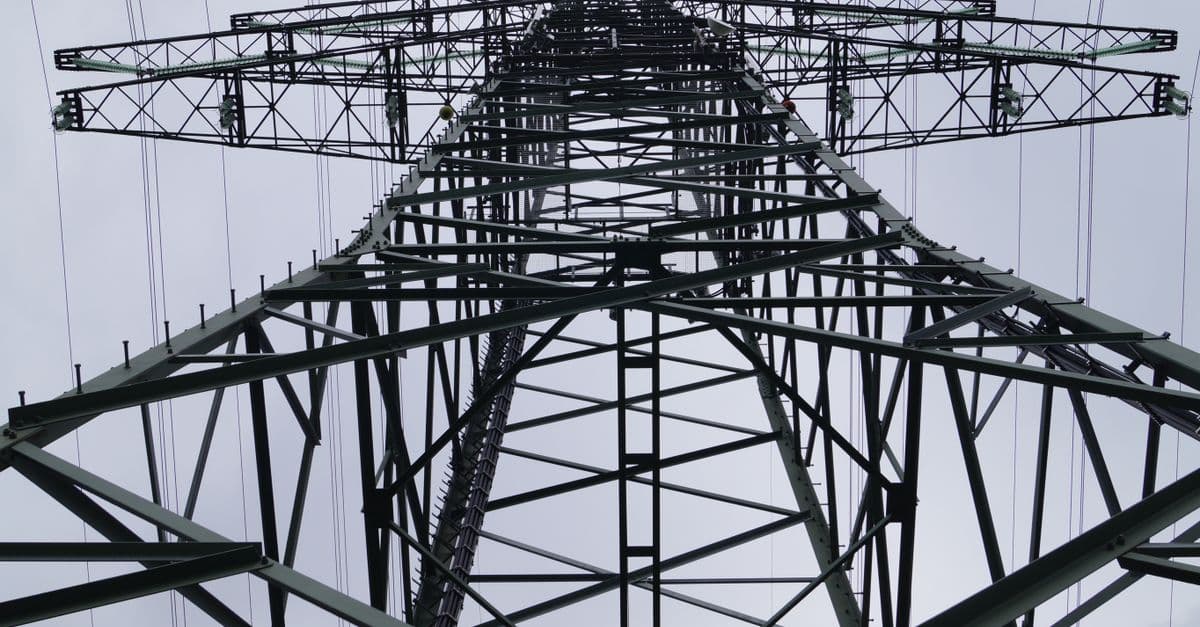
You can process complex transmission fault data—voltage sags, current transients, relay operations, and SCADA logs—to extract causal patterns and evaluate protection response effectiveness. Claude accelerates your diagnostic timeline from hours to minutes, surfacing hidden vulnerabilities and cascading failure risks that routine analysis misses. You'll validate protection coordination, assess equipment damage risk, and generate prioritized corrective actions backed by systematic fault sequence analysis.
 by diegosouzapw

You can rapidly reconstruct fault sequences, identify relay coordination failures, and diagnose protective system misoperations by organizing complex data streams into structured investigative narratives. The skill guides you through methodical analysis of relay timing, fault current magnitudes, equipment condition logs, and SCADA telemetry to generate root cause reports and actionable mitigation recommendations for substation engineers and stakeholders.
by diegosouzapw
You can rapidly diagnose medium-voltage distribution faults by analyzing protective device coordination sequences, load flow impacts, and field crew reports within Claude. The skill helps you distinguish between transient and permanent faults, identify whether issues stem from equipment failure or external factors, and validate remediation strategies before implementing risky switching operations. This accelerates your analytical phase so field resources can be deployed efficiently and switching decisions are made with confidence.
by diegosouzapw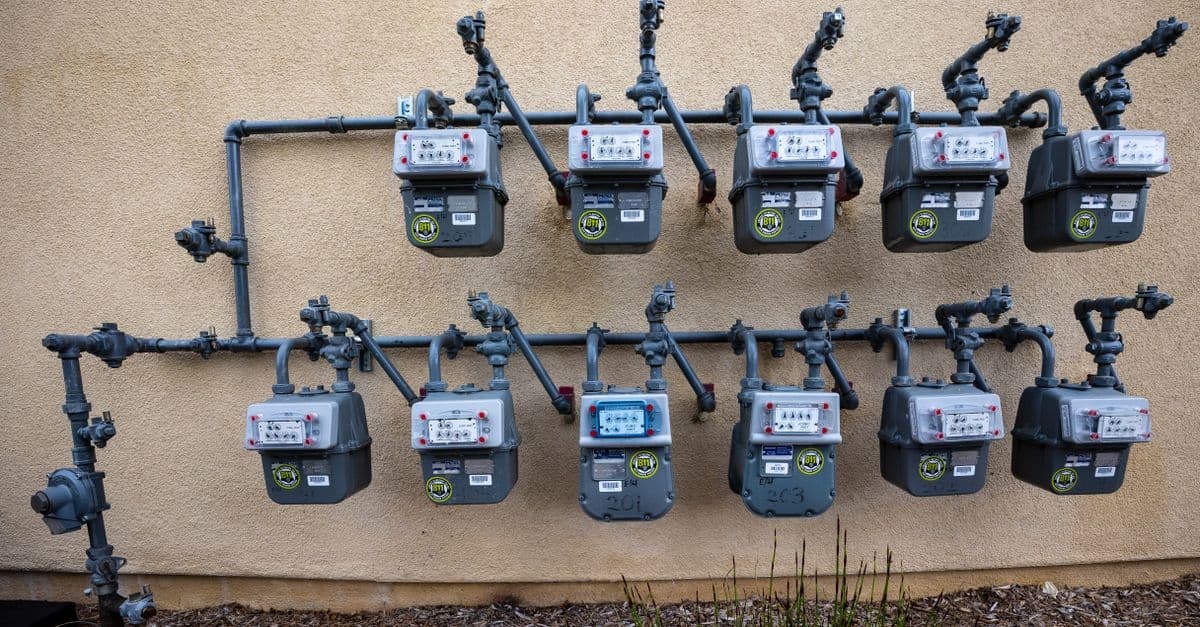
You analyze residential energy consumption patterns, audit findings, and building characteristics to generate prioritized retrofit recommendations ranked by payback period, seasonal impact, and cost-effectiveness. The skill calculates ROI metrics (simple payback, NPV, IRR), identifies compliance gaps against energy codes and incentive programs, and sequences interdependent measures to optimize retrofit strategy while accounting for behavioral factors and equipment lifecycles.
by diegosouzapw
You can input residential property characteristics and energy audit findings to receive systematically ranked retrofit recommendations prioritized by ROI and payback period. Claude analyzes multiple upgrade pathways, calculates realistic energy savings projections, compares financing options, and generates professional proposals that translate complex efficiency metrics into actionable upgrade sequences tailored to client budgets and goals.
by diegosouzapw
You can search Wikidata using four complementary methods: keyword search via the Action API for label-based lookups, semantic/hybrid search through the Vector Database for fuzzy concept matching, direct entity retrieval via Special:EntityData for instant JSON data, and SPARQL queries through WDQS for complex graph relationships and reporting. Each method is optimized for different use cases—from quick entity lookups to multi-table data analysis across millions of linked facts.
by diegosouzapw
You can conduct structured residential energy assessments by inputting building characteristics, utility consumption patterns, and occupant behavior data. Claude analyzes this information to identify retrofit opportunities, quantify energy savings potential, calculate payback periods, and generate prioritized recommendations ranked by ROI. The skill handles complex interdependencies between measures (like how air sealing improves HVAC efficiency) to ensure financially sound retrofit packages.
by diegosouzapw
You can systematically analyze competitors across feature parity, positioning strategies, pricing models, and interaction patterns. This skill transforms scattered competitive intelligence into a working matrix that reveals differentiation gaps, underserved segments, and strategic opportunities—helping you prioritize roadmap decisions and justify go-to-market positioning with data.
by diegosouzapw