

Suspension Kinematics Analysis & Hardpoint Validation
Analyze suspension kinematics, calculate hardpoints, validate geometry

What You Can Do
You can perform rapid kinematic calculations on suspension geometries, automatically generate hardpoint coordinate tables, calculate instant centers and roll centers, analyze anti-squat and anti-dive percentages, and validate that hardpoint coordinates meet your design specifications and packaging constraints. This skill accelerates preliminary suspension design iteration by enabling you to evaluate multiple topologies and identify geometry issues before committing to CAD modeling.
Features
determine kinematic pivots and suspension compliance behavior from linkage geometry
create validated pickup point tables from suspension layout descriptions and design constraints
calculate load transfer percentages and longitudinal weight transfer characteristics
analyze how toe and camber change through suspension travel to predict handling behavior
check hardpoints against packaging constraints, link length limits, and performance targets with clear pass/fail reporting
evaluate different suspension architectures side-by-side with consistent kinematic metrics
produce design review-ready reports with calculations, diagrams, and trade-off justification
Example Output
Example 1: Double-wishbone hardpoint validation
Suspension Type: Double-Wishbone (Front)
Design Target: 2° negative camber gain, bump steer < 0.1°/100mm

HARDPOINT COORDINATES (mm)
| Point | X | Y | Z | Status |
|-------|----|----|----|---------|
| UCA-Chassis | 50 | 220 | 180 | ✓ Pass |
| UCA-Hub | 120 | 280 | 220 | ✓ Pass |
| LCA-Chassis | 60 | 50 | 160 | ✓ Pass |
| LCA-Hub | 130 | 120 | 200 | ✓ Pass |

INSTANT CENTER: X=45mm, Z=315mm (outboard, above hub)
ROLL CENTER: Z=85mm (96mm above ground)
CAMBER GAIN: -2.1° per 100mm bump (Target: -2.0° ± 0.5°) ✓ PASS
BUMP STEER: +0.08°/100mm (Target: < 0.1°) ✓ PASS
Example 2: Anti-squat comparison
Geometry A (Current): Anti-squat = 78% → Predictable understeer under acceleration
Geometry B (Proposed): Anti-squat = 92% → Reduced weight transfer, more neutral balance
Recommendation: Adopt Geometry B; meets packaging and improves transient response
What's Included
- SKILL.md instruction file with prompts for kinematic calculations and hardpoint analysis:
- Hardpoint Coordinate Template: standardized format for inputting and validating suspension geometry
- Kinematic Parameters Checklist: instant center, roll center, anti-squat, anti-dive, camber gain, and bump steer calculations
- Suspension Topology Comparison Framework: side-by-side analysis template for evaluating multiple designs
- Design Validation Report Template: engineering-ready output format with specifications, calculations, pass/fail status, and recommendations
Who It's For
- Suspension Engineers — analyzing kinematic relationships and validating hardpoint geometry during concept and preliminary design phases
- Vehicle Dynamics Engineers — correlating suspension geometry to handling behavior and tuning targets
- Motorsport Design Teams — rapidly iterating suspension topologies and documenting design rationale for competition builds
- Automotive CAD Designers — validating suspension layouts before detailed 3D modeling to catch geometry issues early
- Design Review Engineers — preparing kinematic justification and trade-off analysis for stakeholder presentations
Best For
- Preliminary suspension concept analysis and topology evaluation
- Hardpoint coordinate generation and validation against design specifications
- Instant center, roll center, and kinematic gain calculations
- Anti-squat, anti-dive, camber gain, and bump steer analysis
- Multi-geometry comparison and design trade-off documentation
- Troubleshooting unexpected handling characteristics through kinematic assessment
- Design review material preparation with engineering-ready calculations and justification
You might also like

You can systematically analyze suspension geometry, load paths, and component interactions to validate design decisions and identify optimization opportunities. Claude acts as your collaborative design partner to map force distributions, explore how geometry changes affect performance characteristics, compare suspension architectures, and reconcile conflicting engineering constraints in independent double-wishbone, multi-link, and other suspension systems.
You can transform vague customer NVH complaints into actionable diagnostic protocols by systematically mapping vibration sources, transfer paths, and receiver responses. The framework guides you through symptom normalization, operational condition analysis, and isolation strategy development—reducing diagnostic iteration cycles and accelerating root cause identification across powertrain, chassis, interior, and aerodynamic domains.
You can pinpoint the exact source of sensor fusion failures—whether they stem from misaligned camera/LiDAR/radar extrinsic calibration, timestamp desynchronization, data validation gaps, or algorithmic issues. This skill decomposes multi-modal perception errors into sensor-specific contributions and generates quantifiable diagnostic reports that directly guide calibration and testing teams toward fixes rather than blind troubleshooting.
You can efficiently diagnose complex NVH concerns by working through a structured framework that correlates customer symptoms with potential powertrain failures. This skill helps you narrow diagnostic possibilities, recommend targeted testing sequences, distinguish between component failures and tuning issues, and substantiate warranty claims with technical evidence.

You can model transient and steady-state thermal behavior in EV power electronics, calculate junction temperature rise during driving cycles, and design cooling strategies that meet automotive thermal specifications. This skill helps you size heat sinks, evaluate thermal interface materials, compare active versus passive cooling approaches, and validate designs against AEC-Q200 and ISO 16750-3 standards.
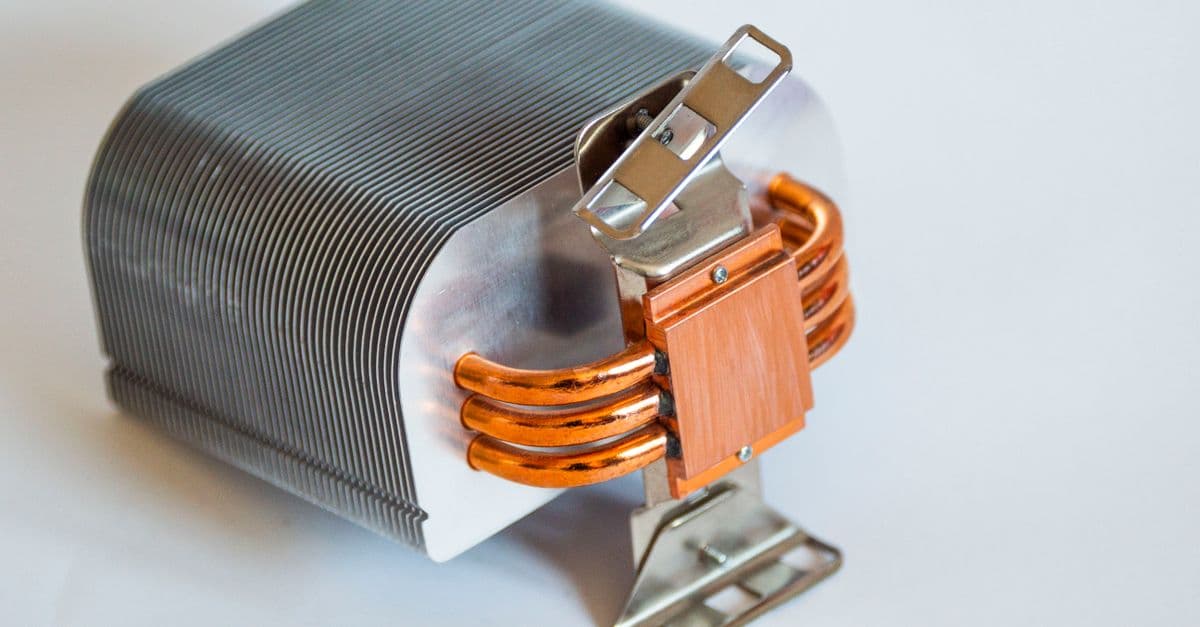
You can systematically analyze thermal performance of battery pack designs using heat generation physics, thermal resistance calculations, and boundary condition modeling. The skill helps you identify cooling system inadequacies, assess failure modes like temperature runaway and hot-spot formation, and generate optimized design recommendations across passive air, active liquid, hybrid, and advanced cooling strategies for cylindrical, pouch, and prismatic cell formats.
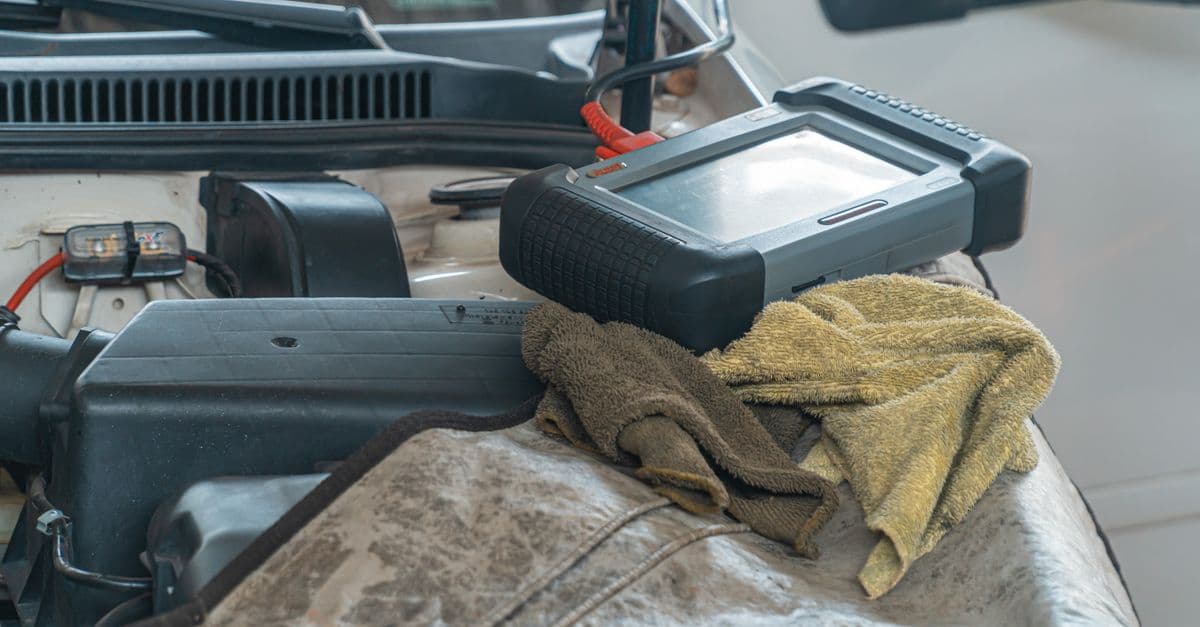
You can decode SAE J2012 standard CAN diagnostic trouble codes (P, B, C, and U codes) with manufacturer-specific extensions, analyze multi-frame fault sequences and temporal patterns across multiple modules, and generate structured diagnostic hypotheses that differentiate between electrical, communication, and algorithmic failures. This skill transforms raw DTC data into actionable investigation vectors, reducing diagnostic analysis cycles from hours to minutes while improving root cause accuracy.
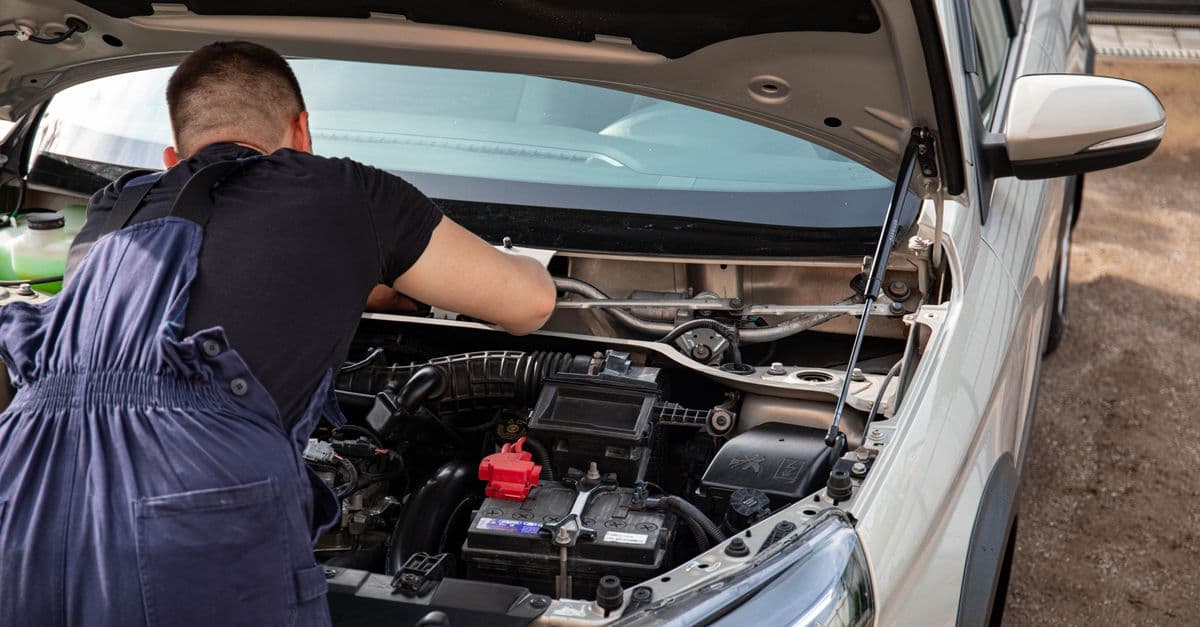
You can transform raw accelerometer data, sound pressure measurements, and frequency spectra into structured diagnostic insights. Claude helps you organize test data, interpret Campbell diagrams and waterfall plots, quantify source contributions through transfer path analysis, and correlate physical measurements with customer complaints. This systematic approach replaces intuitive troubleshooting with hypothesis-driven test plans and targeted solutions.