


Speech Therapy Session Planning & Documentation
Generate SMART IEP goals, session notes, and evidence-based therapy plans for SLP clients
What You Can Do
Draft measurable IEP objectives in standardized SLP format, structure session documentation with quantified progress metrics, and design evidence-based treatment plans with explicit therapy sequences. You reduce administrative documentation time while maintaining compliance standards and making client progress visible to stakeholders.
Features
Creates Specific, Measurable, Achievable, Relevant, Time-bound objectives in SLP-standard language with baseline data and measurement criteria
Formats clinical observations into quantified progress notes aligned to therapy targets with data points and objective measures
Generates individualized home practice activities that reinforce therapy targets with clear parent/caregiver instructions
Maps therapy sequences by phase with explicit progression criteria, strategy justification, and phase-out benchmarks
Produces concise parent reports and insurance documentation that synthesize multiple sessions into clear outcome statements
Aligns documentation with IEP/504 standards, insurance requirements, and ASHA guidelines automatically
Converts raw clinical observations into measurable indicators across sessions for trend analysis and goal modification decisions
Example Output
SMART IEP Goal Example: Client: 5yo with apraxia of speech. Baseline: 18% intelligibility in conversation.
- Goal: By [date], [Client Name] will produce /s/ in initial word position with 80% accuracy across 3+ minute connected speech samples in structured and unstructured conversation tasks, as measured by audio recording analysis and clinician observation.
Session Note Example: Date: [Date]. Duration: 45 min. Focus: /s/ production in CVC words.
- Accuracy on target words: 12/15 (80%) in isolation, 8/12 (67%) in phrases
- Noted: Improved motor planning; occasional dentalization under fatigue
- Progress: +15% from last session; trending toward goal
- Carryover: Parent reported 5/7 home practice attempts this week
Carryover Activity Example: Activity: "S Sound Hunt" (10 min/day, 5x/week)
- Find picture cards with /s/ words; say word clearly 3 times
- Record on phone if possible; share with SLP
- Reward: sticker chart (5 stickers = small reward)
What's Included
- SKILL.md instruction file with prompts and clinical guidelines:
- SMART IEP Goal Template with diagnosis-specific examples (articulation, fluency, voice, language, swallowing):
- Session Documentation Framework with data collection columns and progress indicators:
- Carryover Activity Worksheet with activity design scaffolding and parent instruction guides:
- Treatment Plan Sequence Checklist with therapy phases, criteria, and strategy options:
Who It's For
- Speech-language pathologists (SLPs) in schools, clinics, or private practice
- Clinical supervisors managing SLP documentation and compliance
- Special education coordinators developing IEP goals collaboratively with SLPs
- Graduate SLP students learning documentation standards and clinical reasoning
- Speech-language pathology assistants (SLPAs) drafting initial documentation for SLP review
Best For
- Creating or refining SMART objectives for annual IEPs, re-evaluations, and amendments
- Structuring end-of-session notes with quantified progress data for trend tracking
- Designing individualized home practice activities with clear measurement and parent instructions
- Developing phased treatment plans with explicit progression and discharge criteria
- Generating concise progress summaries for parent reports and insurance authorization requests
- Converting vague clinical observations into measurable, compliant documentation
You might also like
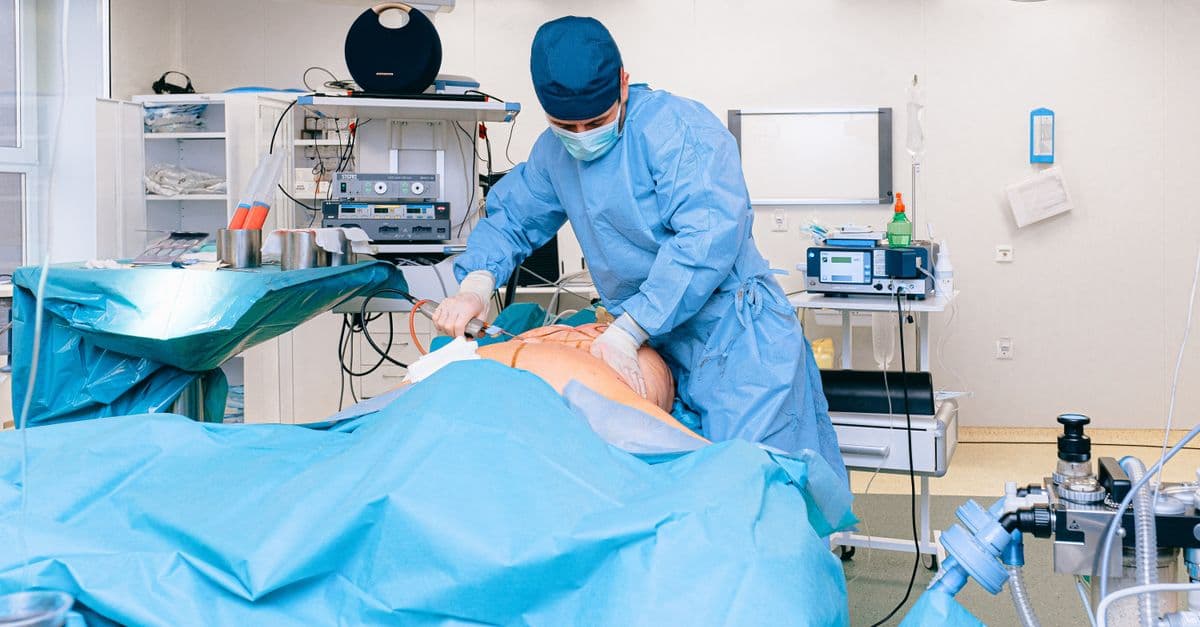
You conduct comprehensive pre-operative risk stratification using ASA classification, Revised Cardiac Risk Index (RCRI), and procedure-specific risk tools to quantify operative risk across physiologic systems. You systematically identify modifiable risk factors—anemia, hypertension, glucose dyscontrol, cardiac dysfunction—and implement targeted optimization protocols to reduce preventable complications. You generate objective, evidence-backed assessments that strengthen informed consent discussions, support case selection decisions, and create defensible documentation for shared decision-making with patients and surgical teams.
 by gptomics

You'll systematically evaluate patient risk factors, stratify perioperative risk using evidence-based frameworks, and generate detailed anesthesia plans that address specific comorbidities and procedural requirements. This skill helps you synthesize complex patient data—medical history, physical exam findings, lab work, imaging, and medication profiles—into actionable risk mitigation strategies that optimize patient safety and guide technique selection, drug choices, and monitoring protocols.
by gptomics
You can rapidly develop theoretically-grounded case formulations that integrate diagnostic findings, historical context, and clinical observations into a coherent narrative. The skill systematizes your conceptualization across multiple therapeutic modalities (CBT, psychodynamic, trauma-informed, systemic) and generates structured treatment plans with specific goals, interventions, and prognostic considerations—ideal for supervision presentations, case conferences, documentation, and complex diagnostic scenarios.
by gptomics
You can systematically document refraction findings for low vision patients and generate prescriptions optimized for specific functional tasks like reading, mobility, and facial recognition. The skill calculates appropriate magnification ratios, predicts realistic visual outcomes, and creates comprehensive documentation that prioritizes quality of life over distance acuity—transforming conventional refraction into patient-centered, task-driven prescriptions.
by gptomics
You can rapidly analyze multifaceted surgical presentations—including revision cases, comorbidities, and combined pathology—to develop defensible pre-operative plans and detailed operative notes. The skill synthesizes clinical findings with imaging data, stratifies surgical risk, selects technique-specific approaches, and produces documentation that withstands peer review and quality audits.
by gptomics
You can perform structured sports injury evaluations that incorporate mechanism-of-injury analysis, orthopedic special testing, functional movement screening, and clear referral criteria. The skill helps you differentiate soft tissue restrictions from joint dysfunctions, establish baseline function, and create evidence-based return-to-play milestones tailored to the athlete's sport and position. You'll generate documentation suitable for insurance records, team physician communication, and liability protection.
by gptomics
You can conduct comprehensive subluxation assessments on pediatric patients by integrating structural examination findings, functional limitations, parental observations, and neurological indicators within a developmental context. Claude helps you correlate specific subluxations to presenting complaints (colic, ear infections, torticollis, scoliosis patterns) and create objective documentation suitable for insurance, medical records, and referral purposes. You'll develop age-appropriate treatment plans that address both the subluxation and the child's unique physiological stage.
by gptomics
You can systematically generate ranked differential diagnoses for presenting complaints (chest pain, dyspnea, abdominal pain, headache, joint pain, fatigue) by applying evidence-based clinical decision rules and risk stratification. The skill helps you identify red flags that change management priority, justify test selection to supervising physicians, and document diagnostic reasoning in the medical record while reducing anchoring bias and ensuring comprehensive consideration of serious diagnoses.
by gptomics