

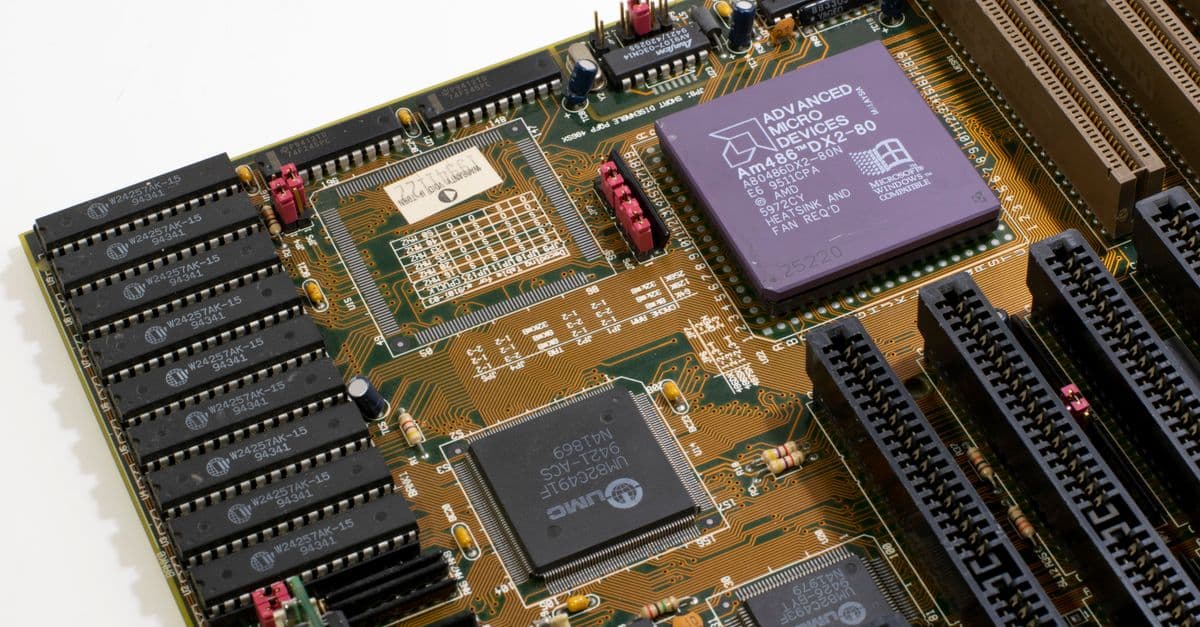
Semiconductor Process Optimization & Troubleshooting
Systematically optimize semiconductor yields through data-driven troubleshooting
What You Can Do
You can diagnose root causes of yield loss, identify process drift in real time, and optimize critical parameters using structured troubleshooting frameworks. The skill helps you prioritize corrective actions based on statistical analysis, accelerate problem resolution, and build repeatable optimization workflows that your team can execute consistently across production runs.
Features
Systematically identify which process steps, equipment, or parameter ranges drive yield losses using structured fault tree analysis and correlation mapping.
Detect subtle process shifts before they impact yield using control charts, trend analysis, and automated anomaly detection against historical baselines.
Analyze multi-factor interactions to identify which process parameters have the highest leverage on yield, defect rates, and product quality.
Set up factorial and fractional factorial experiments to validate hypotheses, quantify parameter sensitivity, and build predictive models for process improvements.
Categorize defect types by root cause, map failure modes to process conditions, and prioritize engineering controls that prevent recurrence.
Calculate Cpk, Ppk, and trend your process capability over time. Compare current performance against historical baselines and peer fab data to identify improvement opportunities.
Translate analysis into specific engineering actions with success criteria, rollback plans, and verification checkpoints for safe implementation.
Identify parameter correlations across multiple manufacturing lines to isolate whether issues are equipment-specific, lot-specific, or process-wide.
Example Output
Example 1: Yield Loss Root Cause Report
- 🎯 Primary Yield Driver: Lithography critical dimension (CD) drift
  • Photoresist flow rate: ↑ 8% over last 3 wafer runs → CD widening
  • Statistical correlation: r = 0.87 (CD vs. resist viscosity)
  • Recommended action: Adjust resist dispense calibration; expect +2.3% yield recovery

- 📊 Secondary Factor: Etch uniformity
  • Plasma power variation: ±12% (spec: ±5%)
  • Impact on CD variation: ±15nm (over-etch)
  • Verification checkpoint: Run DOE with ±10% power window
Example 2: Process Drift Detection Alert
- ⚠️ Process Control Status: Out of Statistical Control
  • Control chart: 3 consecutive points beyond µ ± 2σ (resist thickness)
  • Trend: Gradual increase +0.3 µm over 8 hours
  • Root cause hypothesis: Spin speed encoder drift or resist aged
  • Immediate action: Calibrate spin equipment; pull resist batch expiration
  • Verification: Re-run SPC after maintenance; confirm return to control
Example 3: DOE Recommendations
- 📈 Factorial Design Results (Etch Parameter Optimization)
  • Main effects: Plasma power (65% impact) > Pressure (22%) > Time (8%) > Gas ratio (5%)
  • Optimal window: 800W ± 25W, 2.5 Pa ± 0.2 Pa
  • Expected yield improvement: +4.1% (95% confidence)
  • Interaction risk: Power × Pressure (p < 0.05) — test edge cases before full rollout
What's Included
- Root Cause Analysis Framework: Structured templates and decision trees to diagnose yield loss triggers, including fault tree mapping, statistical correlation analysis, and hypothesis prioritization.
- Statistical Process Control (SPC) Templates: Pre-built control chart workflows, capability metrics (Cpk, Ppk), and automated anomaly detection to catch process drift early.
- Design-of-Experiments (DOE) Playbook: Step-by-step guidance for factorial designs, fractional factorials, and response surface methods with interpretation of interaction effects and confidence bounds.
- Parameter Optimization Workflow: Data-driven methods to map parameter interactions, identify critical thresholds, and recommend specific setpoint adjustments with expected yield impact.
- Defect Classification & Failure Mode Checklist: Categorization framework linking defect morphology to process conditions, with root cause prioritization and mitigation strategies.
- Implementation Runbooks: Actionable recommendations with rollback plans, success criteria, and verification checkpoints for safe deployment to production.
Who It's For
- Process Engineers
- Manufacturing Engineers
- Quality Engineers
- Fab Operations Managers
- Semiconductor Device Technologists
Best For
- Investigating yield excursions and sudden defect spikes
- Optimizing critical process parameters (temperature, pressure, flow, voltage)
- Detecting and correcting process drift before quality impact
- Running Design-of-Experiments to validate process improvements
- Building repeatable troubleshooting workflows across fab lines
You might also like

This skill parses experiment metadata and outputs to extract critical metrics from completed machine learning experiments. It reads experiment_summary.yaml to identify runs, pulls final training loss from SLURM logs, extracts accuracy metrics from inspect-ai evaluation files, and generates a clean summary.md report—all while logging the extraction process for reproducibility.
 by kylezantos

You can structure and run Kaizen events from start to finish, guiding your team through waste analysis, root-cause identification, and rapid improvement design. The skill generates detailed event agendas, countermeasure documentation, and performance metrics—enabling you to close improvement opportunities within days rather than weeks.
by kylezantos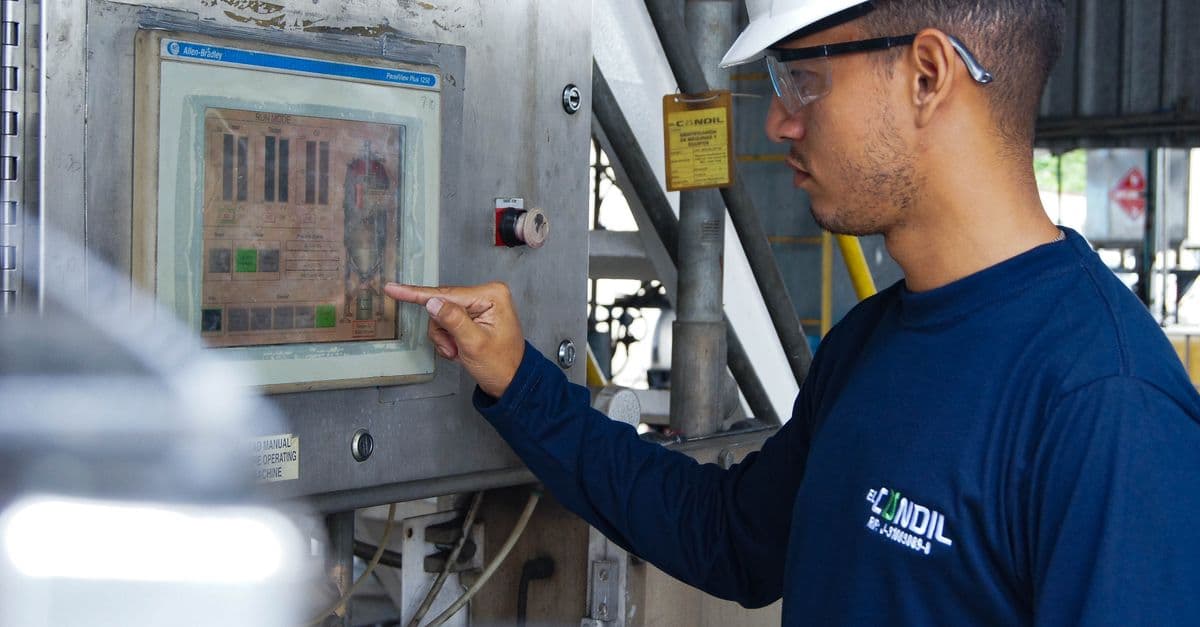
You can systematically identify root causes of production problems using proven troubleshooting frameworks, decision trees, and rapid diagnosis protocols. This skill walks you through impact assessment, root cause analysis, and solution validation to minimize downtime and prevent recurring issues in manufacturing and operations environments.
by kylezantos
This skill structures and accelerates improvement initiatives using the PDCA (Plan-Do-Check-Act) framework combined with 5 Why analysis and standardized work templates. You'll build data-driven problem statements, identify root causes systematically, and create actionable improvement plans with built-in controls. It enables teams to move from reactive firefighting to proactive, continuous optimization grounded in evidence.
by kylezantos
You can systematically implement, audit, and sustain 5S lean methodology across your manufacturing operations. Claude generates customized audit templates, tracks compliance metrics, creates implementation roadmaps, and produces detailed audit reports—all aligned to your facility's specific processes and standards.
by kylezantos
Load your production data, current-state process flows, or value stream metrics, and Claude identifies hidden waste patterns using the 7 wastes framework. You get a prioritized list of lean countermeasures ranked by impact and effort, complete with root cause analysis and a phased implementation roadmap to guide your continuous improvement efforts.
by kylezantos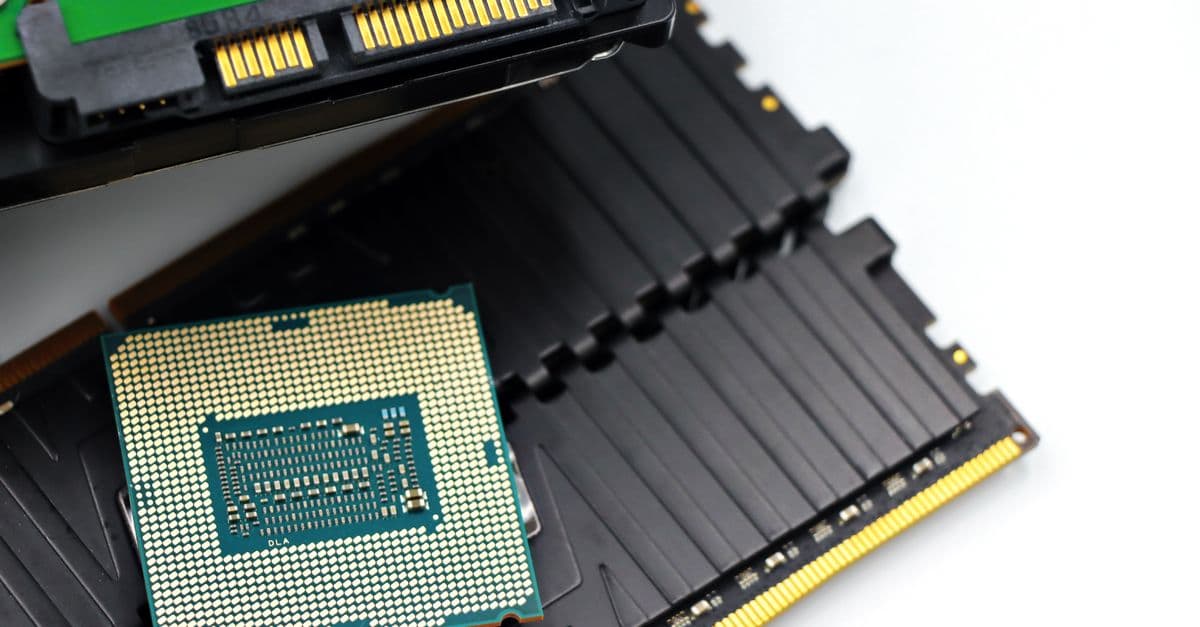
You can upload wafer test data, manufacturing logs, and process parameters to quickly identify yield-loss patterns, correlate defects to process conditions, and generate prioritized root cause hypotheses. Claude analyzes multi-dimensional manufacturing data to uncover process bottlenecks, suggest containment actions, and recommend optimization experiments backed by statistical evidence.
by kylezantos
You can build interactive UI components with purposeful motion—transitions, hover states, micro-interactions, and enter/exit animations—or audit existing motion design and receive detailed feedback. The skill operates in two focused modes: Create mode helps you implement motion that serves a clear purpose, while Audit mode evaluates your animations against industry-standard principles and reports specific findings with improvement recommendations.
by kylezantos