


Proteomics Data Interpreter: Claude-Assisted Analysis & Troubleshooting
Interpret mass spectrometry proteomics results and diagnose experimental anomalies
What You Can Do
You can submit raw mass spectrometry observations, instrument parameters, or sample preparation details to Claude and receive targeted diagnostic frameworks that explain anomalous results. Claude systematically generates plausible mechanistic explanations for unexpected protein abundance patterns, quantification inconsistencies, and PTM findings—then helps you design minimal, hypothesis-driven troubleshooting experiments to test them.
Features
distinguish real biology from technical artifacts with mechanistic reasoning
understand misaligned peptide ratios and protein fold-changes across replicates
generate hypothesis-driven QC and validation approaches with minimal sample waste
integrate structural biology, biochemistry, and literature insights
balance stringency vs. sensitivity tradeoffs for your specific biological question
evaluate sample prep, instrument drift, normalization, and biological hypotheses
identify confounding variables you may have overlooked
Example Output
Input: "We see 500 proteins with >2-fold change in lipopolysaccharide-treated macrophages, but pathway enrichment is flat. Expected ~50 differentially abundant proteins based on literature."
Claude Output:
- Hypothesis 1 (most likely): Global normalization artifact — check if total protein load or ionization differs between samples
- Hypothesis 2: Real but transient response — LPS-induced proteome is broad at 4h; check timepoint literature
- Hypothesis 3: Sample prep contamination — confirm endotoxin removal; re-run blank controls
- Recommended experiment: Normalize to spike-in standards and reprocess; if fold-changes collapse, normalization was the issue
Input: "Phosphoprotein ratios are inverted between DDA and DIA methods on same sample. Which method is wrong?"
Claude Output:
- DDA may undersample low-abundance phosphopeptides (stochastic sampling bias)
- DIA may have library mismatch for phosphovariant masses
- Distinguish with: Parallel SRM/MRM of 5 phosphosites across both methods; compare reproducibility vs. literature values
What's Included
- SKILL.md instruction file with proteomics-specific prompting framework:
- Troubleshooting decision tree: flowchart matching symptoms to root causes (sample prep, instrumental, computational, biological)
- Diagnostic question template: structured prompts to extract maximum mechanistic insight from Claude
- QC criteria checklist: data validation standards for DDA, DIA, and targeted proteomics
- Experiment design worksheet: hypothesis-ranking framework with power and cost estimation
Who It's For
- Proteomics bioinformaticians — interpret complex MS datasets and troubleshoot quantification anomalies
- Mass spectrometry facility managers — diagnose instrument performance and sample prep issues at scale
- Pharmaceutical R&D scientists — validate biomarker discovery and optimize protein abundance assays
- Systems biology researchers — integrate proteomics with transcriptomics and contextualize PTM findings
- Bioanalytical method developers — optimize LC-MS/MS protocols and troubleshoot validation failures
Best For
- Diagnosing unexpected protein fold-changes or quantification inconsistencies across replicates
- Designing hypothesis-driven troubleshooting experiments with minimal sample waste
- Contextualizing post-translational modification findings within structural and biochemical frameworks
- Optimizing data quality control thresholds (peptide FDR, intensity thresholds, normalization strategies)
- Evaluating competing mechanistic explanations for anomalous results (technical vs. biological)
You might also like
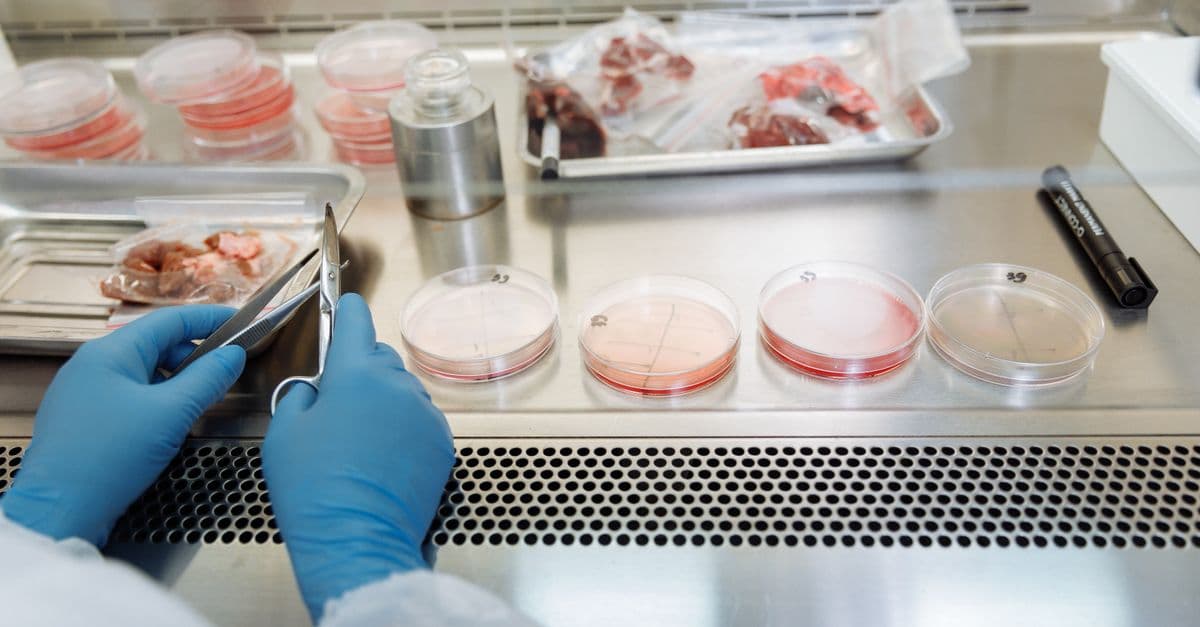
You can design experiments with appropriate controls, replicate structures, and sample sizes before conducting any bench work. This skill helps you establish clear endpoints, identify confounding variables, select the right statistical tests, and create reproducible data collection protocols—preventing costly failed experiments and increasing publishability.
 by kody-w

You can validate eCRF and paper CRF datasets against protocol-defined rules, automatically identify data discrepancies (missing fields, out-of-range values, date inconsistencies), generate structured Data Query Forms (DQFs) for site clarification, track resolution status, and create audit-ready compliance documentation that meets FDA 21 CFR Part 11 and GCP requirements. This workflow reduces manual validation time while ensuring 100% traceability and regulatory readiness for inspections.
by kody-w
You can design and execute bioanalytical method validations aligned with FDA Guidance for Industry and ICH guidelines, interpret complex validation data against regulatory acceptance criteria, and systematically troubleshoot analytical failures to identify root causes and corrective actions. This skill accelerates validation timelines by 20–30%, minimizes regulatory rework, and provides structured decision trees for problems that typically require expert consultation.
by kody-wClaude reviews your injection mold, stamping die, or precision tool designs for manufacturability, cost reduction opportunities, and tolerance optimization. You provide CAD specifications, material details, and production volume—Claude identifies specific design modifications, material alternatives, and tolerance adjustments that reduce tooling complexity and unit costs without compromising performance.
by kody-w
Conduct comprehensive job risk assessments in minutes, generate detailed task analysis reports with biomechanical findings, and develop prioritized ergonomic interventions backed by OSHA and NIOSH guidelines. You'll identify risk factors, quantify hazard severity, and produce actionable recommendations that reduce worker injury rates and improve compliance documentation.
by kody-w
You can automate the validation of clinical trial data against protocol specifications, identify discrepancies including missing values, out-of-range results, protocol violations, and CRF inconsistencies. The skill generates audit-ready query documentation, categorizes anomalies by severity and type, resolves root causes systematically, and produces FDA inspection-ready reports that trace every data decision and corrective action for CDISC and regulatory submission.
by kody-w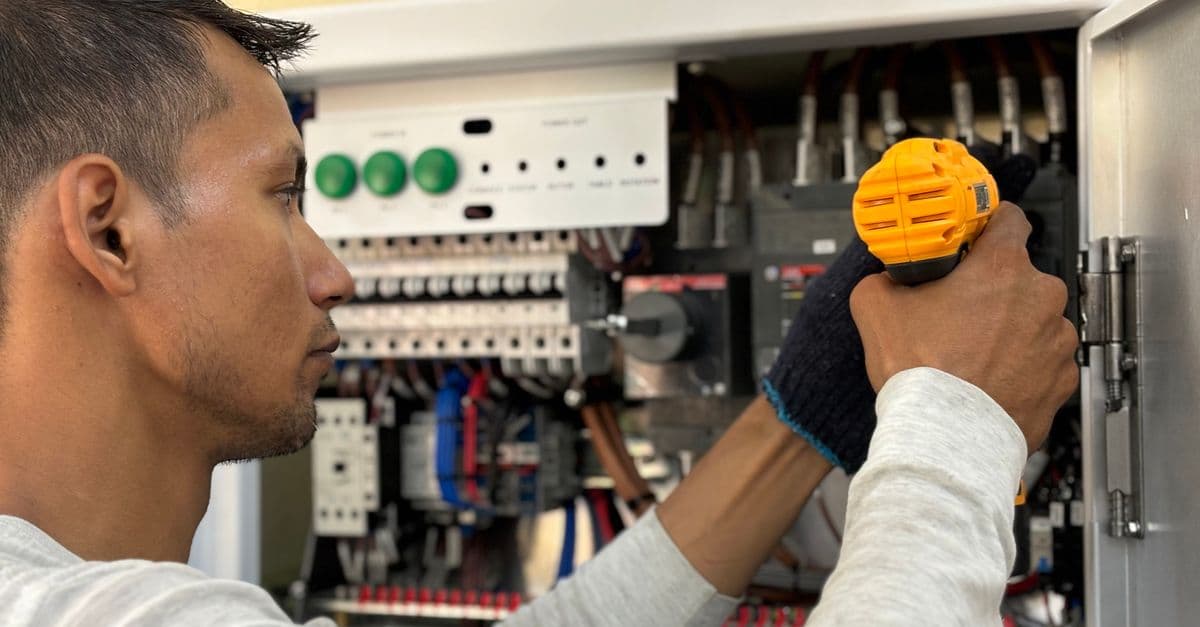
Analyze your power system topology, coordinate protective devices for optimal selectivity and speed, and generate comprehensive arc flash hazard analyses compliant with IEEE 1584. You get fault current calculations, device coordination plots, and hazard risk assessments that guide equipment upgrades and safety training.
by kody-w
You consolidate parallel data streams from preclinical toxicology studies (clinical pathology, histopathology, body weight changes, organ weights, clinical observations, mortality) into coherent regulatory-compliant narratives. This skill synthesizes findings across 6–12 endpoints simultaneously, identifies NOAEL/LOAEL with biological justification, determines safety margins, interprets species-specific or sex-specific signals, and produces Results & Discussion sections that satisfy FDA/EMA reviewers while supporting appropriate dosing decisions for IND-enabling studies.
by kody-w