

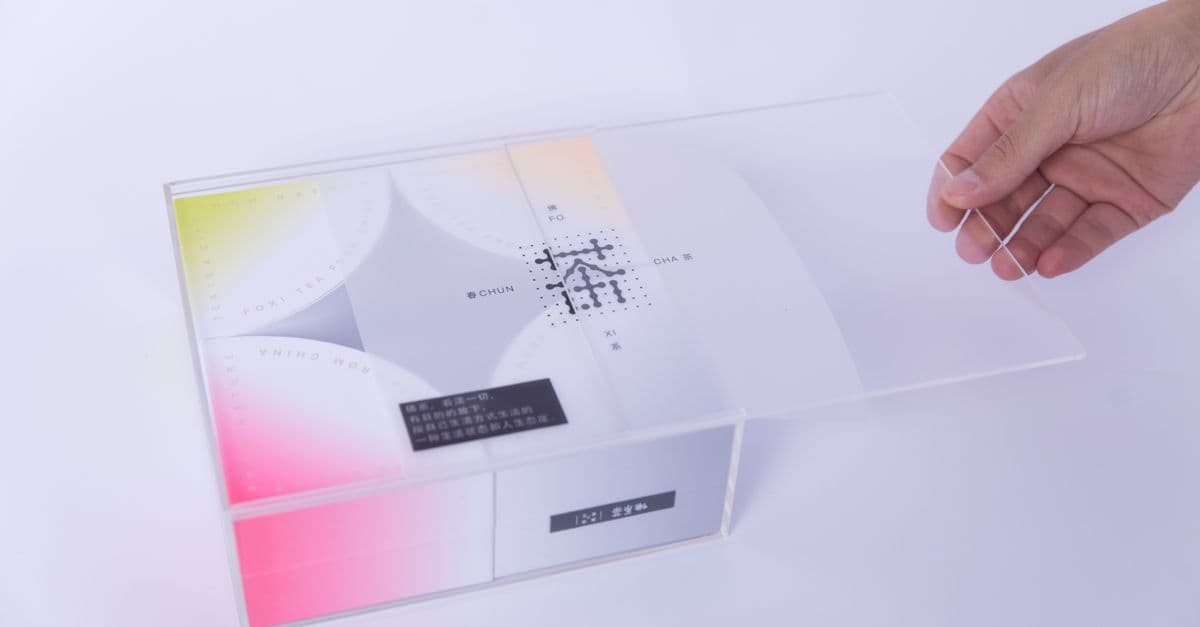
Packaging Design Brief Analyzer
Transform packaging requirements into structured design briefs with compliance checks
What You Can Do
You'll transform scattered packaging requirements, stakeholder input, and technical constraints into a unified, actionable design brief. The skill synthesizes business objectives, regulatory compliance requirements, production capabilities, and competitive positioning into a single document that guides your creative process and eliminates ambiguity before design commences. It operates in two modes: building briefs from scratch and validating existing briefs for gaps and inconsistencies.
Features
Organizes fragmented requirements into formal sections including objectives, target audience, production constraints, and success metrics
Identifies and documents relevant packaging regulations (food labeling, material safety, environmental standards) specific to your product category and markets
Maps competitor packaging positioning, design patterns, and differentiation opportunities to inform strategic direction
Translates creative requirements into production-ready specs (materials, dimensions, printing methods, finishing techniques)
Structures briefs to ensure non-design stakeholders understand design decisions and rationale
Flags missing information, conflicting requirements, and assumptions that need clarification before design begins
Categorizes constraints by impact level so you know which requirements are non-negotiable versus flexible
Example Output
Input: Multiple scattered documents (brand guidelines, technical specs from manufacturing partner, regulatory notes from compliance team, market research insights, client email feedback)
Output Sample:
## PACKAGING DESIGN BRIEF

### Project Objective
Develop sustainable CBD skincare packaging that differentiates through premium tactile experience while maintaining regulatory compliance across US, EU, and Canada markets.

### Regulatory Requirements
- FDA compliance: ingredient disclosure, warning statements (CBD sourcing claims)
- EU Cosmetics Regulation 1223/2009: multilingual labeling requirements
- California Proposition 65 warnings required
- Child-resistant closure compliance (if applicable)

### Production Specifications
- Material: Recycled HDPE with post-consumer waste content ≥40%
- Dimensions: 100mm H × 75mm W × 50mm D (±2mm tolerance)
- Printing: Flexography 4-color process + 1 metallic spot (copper)
- Closure: 24/410 child-resistant cap, matte black finish

### Competitive Positioning
- Differentiate from clinical competitors through warmth and sustainability narrative
- Match premium price tier of Herbivore/Goop positioning
- Avoid medical/pharmaceutical visual language

### Design Constraints
- Label area: maximum 180 cm² for front panel
- Material cost target: <$0.45/unit
- Production lead time: 8 weeks minimum
What's Included
- SKILL.md instruction file with detailed skill mechanics:
- Brief Creation Template: structured framework for building briefs from raw requirements
- Brief Validation Checklist: audit criteria for identifying gaps and inconsistencies in existing briefs
- Regulatory Compliance Reference Guide: common packaging standards by product category and region
- Production Specification Framework: template mapping creative requirements to manufacturing constraints
Who It's For
- Packaging Designers — Create comprehensive briefs that reduce revision cycles and clarify design direction before creative work begins
- Design Agency Project Managers — Structure client requirements into formal briefs that ensure team alignment and stakeholder buy-in
- Product Managers — Translate market research and business objectives into design-actionable briefs that guide creative partners
- Brand Strategists — Document competitive positioning and brand constraints in language that informs design decisions
- In-house Design Teams — Formalize packaging requirements across cross-functional stakeholders (marketing, legal, supply chain)
Best For
- Converting scattered client requirements (RFPs, emails, meeting notes) into structured design briefs
- Auditing existing packaging briefs for regulatory compliance gaps and production feasibility issues
- Defining competitive positioning strategy within design constraints before creative exploration
- Translating technical manufacturing specifications into designer-friendly production parameters
- Aligning non-design stakeholders on packaging objectives, constraints, and success metrics
You might also like
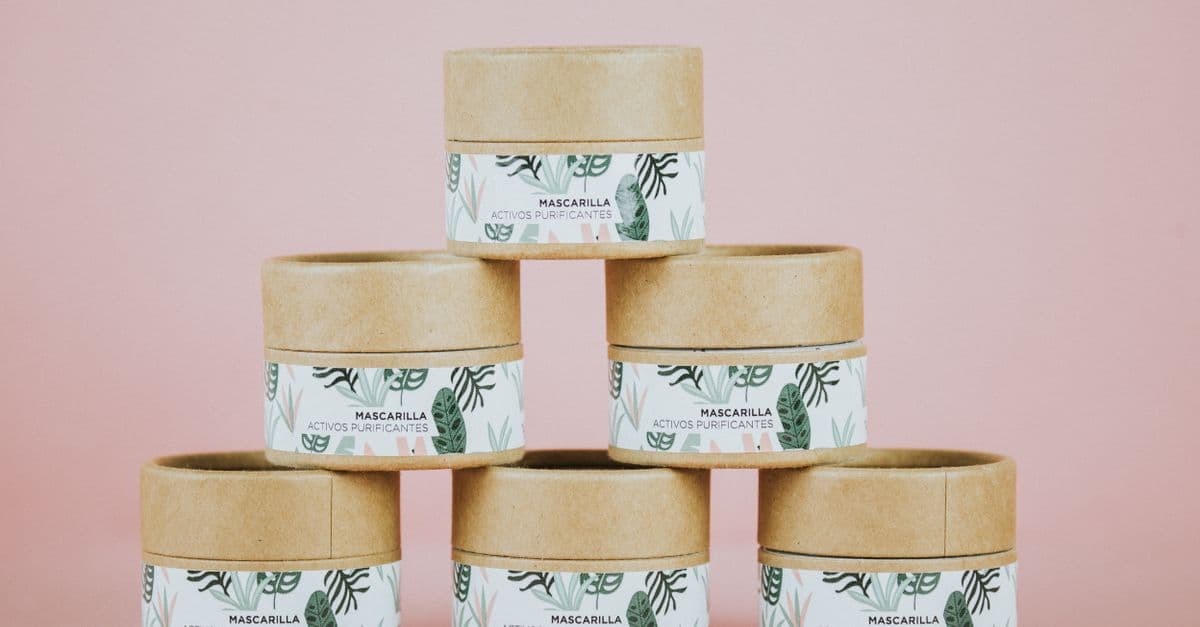
You can make data-driven material decisions for packaging by analyzing lifecycle impact claims, comparing alternatives (bioplastics vs. recycled plastics, paperboard vs. aluminum), and validating sustainability assertions against verified standards. This skill helps you quantify actual environmental benefits, identify greenwashing risks, and create defensible sustainability narratives backed by regulatory compliance and material science principles.
 by camalus

You can systematically analyze competing packaging demands—aesthetic appeal, material efficiency, manufacturing capability, cost targets, and product protection—to identify which constraints conflict and why. This skill helps you map how changes in one structural element (flap geometry, board thickness, fold radius) cascade through manufacturing feasibility, cost, and performance, enabling you to resolve contradictions early and communicate design tradeoffs clearly to manufacturers and stakeholders.
by camalus
You can rapidly transform vague creative direction into concrete, actionable title sequence specifications that motion designers can implement immediately. This skill extracts motion requirements, establishes timing frameworks, defines typography hierarchies, and creates visual treatment specifications directly from briefs—reducing revision cycles and directional misalignment. You'll produce structured production documents that clarify constraints, success metrics, and technical requirements before any keyframes are set.
by camalus
You can develop comprehensive brand naming strategies that move beyond brainstorming to professional-grade naming processes. The framework guides you through strategic positioning, generates names across multiple naming categories, conducts linguistic feasibility analysis, screens for competitive and trademark conflicts, and validates market perception—producing names that are ownable, memorable, and strategically aligned with your brand positioning.
by camalus
This skill helps you generate detailed specification documents that eliminate ambiguity in technical illustration work. You'll produce dimensional specifications, part relationships, view angle requirements, asset inventories, and quality control checklists that enable seamless handoffs to illustrators, manufacturers, or documentation teams. The result is first-pass accuracy that prevents costly revisions and ensures production-ready diagrams.
by camalus
You can generate comprehensive brand guidelines that serve as the foundational document for visual and verbal consistency across all brand communications. This skill produces detailed specifications covering logo usage, color systems, typography, imagery standards, tone of voice, and governance structures—all tailored to your brand's specific needs, market position, and organizational complexity. The guidelines you create are designed to be legally defensible, creatively inspiring, and flexible enough to accommodate emerging channels and regional variations.
by camalus
Generate professionally organized color palettes from theme descriptions, URLs, or hex codes you provide. Claude researches color standards, extracts values, organizes them dark-to-light, and produces interactive SVG reference sheets with copy-to-clipboard functionality and WCAG contrast verification. Use it to build brand guidelines, design system documentation, or quick color references for any project.
by camalus
You can create comprehensive wayfinding strategies that integrate typography, color coding, materiality, positioning, and interactive elements into systems tailored to your exhibition's architecture and narrative structure. This skill helps you develop visitor-centered spatial communication systems that guide audiences intuitively while managing flow, reinforcing curatorial intent, and ensuring accessibility compliance across permanent or temporary installations.
by camalus