

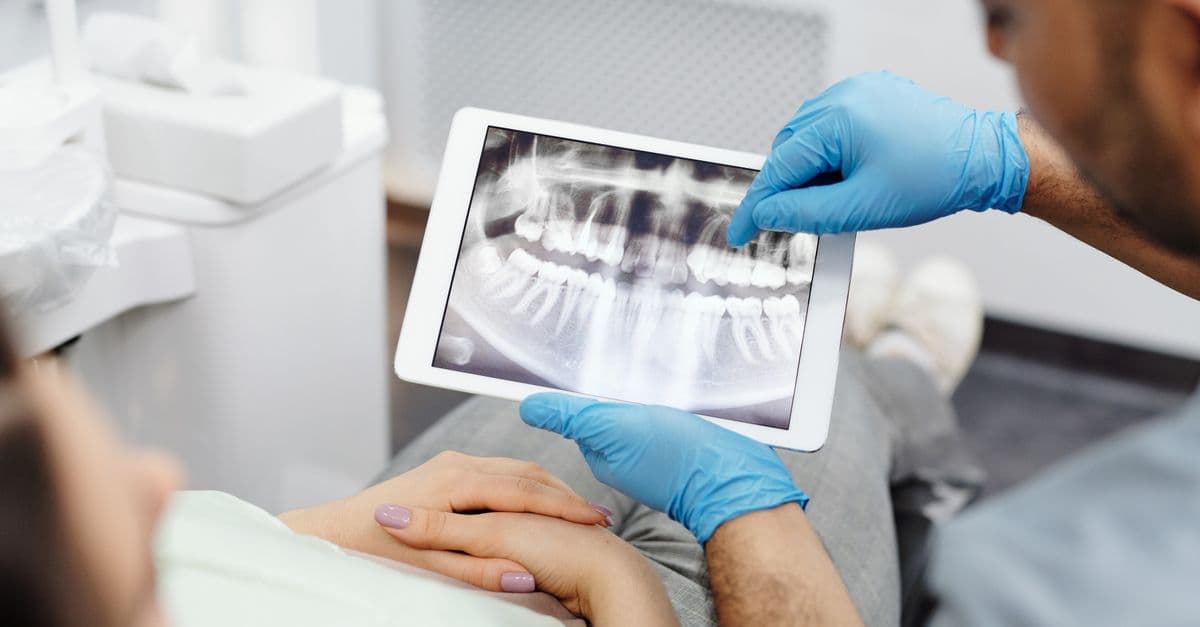
Implant Diagnosis & Treatment Planning
Systematically plan dental implants with bone assessment and complication prevention
What You Can Do
You can systematically evaluate patients for implant treatment by analyzing bone anatomy, assessing systemic health factors, and anticipating surgical challenges. Claude helps you synthesize clinical examination findings and radiographic data into comprehensive, defensible treatment plans that document clinical reasoning, identify candidacy barriers, and outline osseointegration optimization strategies—strengthening your diagnostic process and medicolegal protection.
Features
structured evaluation of radiographic findings to classify bone density and determine augmentation needs
systematic review of systemic conditions, medications, and comorbidities affecting implant success
evidence-based determination of treatment suitability with identification of contraindications or required modifications
strategic recommendations for healing protocols, loading timelines, and biological factors supporting integration
anticipation of anatomical challenges (nerve proximity, sinus anatomy, extraction sites) with mitigation strategies
comparison of implant vs. fixed bridge vs. removable options with clinical and economic rationale
high-smile-line positioning strategies with graft timing and volume recommendations
structured clinical notes that clearly articulate treatment logic for insurance and medicolegal purposes
Example Output
Example 1: Single Implant Candidacy
- Patient: 58-year-old with #8 extraction planned
- Bone Assessment: Adequate labial/lingual width (>6mm), height 12mm to IAN
- Risk Factors: Controlled diabetes, non-smoker, excellent oral hygiene
- Recommendation: Direct implant placement, 4-month osseointegration, crown delivery at 5 months
- Prevention: Monitor periimplant tissues at 2-week suture removal and 4-week healing check
Example 2: Complex Multi-Implant Case
- Patient: 52-year-old edentulous maxilla with 4mm alveolar ridge height
- Bone Assessment: Insufficient height for implants; sinus pneumatization to ridge crest
- Risk Factors: History of radiation therapy, current hormone therapy
- Recommendation: Staged approach—sinus lift + bone graft (6-month integration), followed by 4-implant-supported bridge
- Prevention: Intensify smoking cessation counseling; verify radiation dose tolerance before surgical planning
What's Included
- SKILL.md instruction file: complete diagnostic framework and clinical decision workflow
- Implant candidacy assessment template: structured checklist for bone analysis, risk factor documentation, and treatment recommendations
- Bone classification and imaging guide: Hounsfield units, radiographic interpretation criteria, and augmentation decision rules
- Complication risk matrix: anatomical scenarios and evidence-based prevention protocols
- Treatment plan documentation outline: medicolegal-grade format for capturing clinical reasoning and patient counseling discussion
Who It's For
- General dentists planning simple-to-moderate implant cases and seeking structured diagnostic support
- Implant specialists developing complex multi-unit treatment plans with grafting and positioning strategies
- Periodontal specialists evaluating bone anatomy and designing osseointegration protocols
- Prosthodontists assessing implant candidacy before prosthetic design and sequencing
- Dental practice managers documenting treatment justification for insurance authorization and patient communication
Best For
- Single implant candidacy evaluation with bone and systemic health assessment
- Complex multi-implant cases requiring bone grafting or sinus augmentation planning
- Patients with systemic conditions (diabetes, bisphosphonate therapy, radiation history) affecting implant success
- Esthetic zone implant positioning with timing and volume recommendations
- Treatment plan documentation for insurance justification and medicolegal defensibility
You might also like
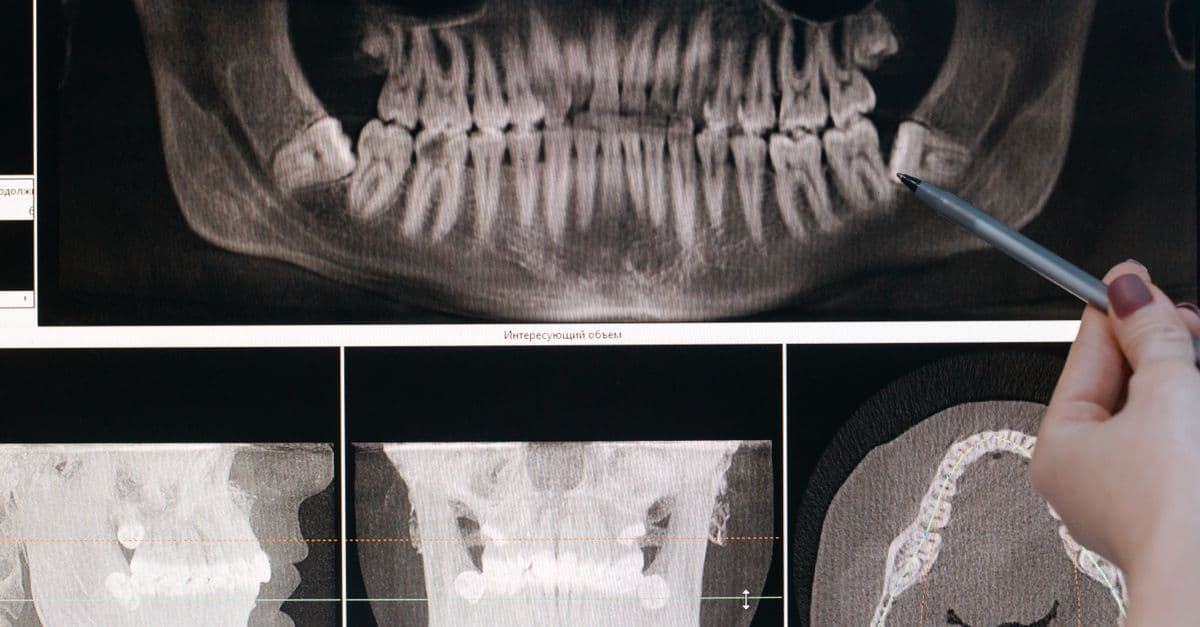
Transform raw facial trauma presentations into standardized, clinically actionable assessment documents. You input patient presentation data, imaging findings, and injury mechanisms, and Claude generates comprehensive injury inventories, anatomical relationship documentation, fracture classifications, and risk stratification summaries. The skill synthesizes complex injury patterns into structured formats compatible with trauma registries while flagging critical decision points that require immediate surgical intervention.
 by comeonoliver
You can evaluate water fluoridation levels, coverage gaps, and demographic disparities across populations. This skill helps you draft data-driven community health assessments, create multilingual educational materials addressing common objections, and build implementation timelines with stakeholder communication strategies. You'll generate evidence-based recommendations for municipal decision-makers while identifying vulnerable populations requiring targeted outreach.
by comeonoliver
You create clinically accurate, personalized patient education materials tailored to specific diagnoses, age groups, and literacy levels. This skill produces chairside scripts, take-home instruction sheets, and behavioral messaging that address patient misconceptions, motivate compliance, and explain complex oral health concepts in accessible language. Whether you're educating a teenager about gingivitis prevention or explaining periodontal disease to an older adult, you get customized content ready to deliver immediately.
by comeonoliver
You can systematically develop phase-by-phase orthodontic treatment protocols that synthesize diagnostic data, patient anatomy, and mechanical principles. This skill generates detailed appliance selection recommendations, extraction vs. non-extraction analyses, wire progression sequences, and clinical milestones to guide efficient execution from initial placement through retention for complex malocclusions requiring three-dimensional control.
by comeonoliver
You can systematically evaluate patients with severe skeletal discrepancies and develop coordinated surgical treatment plans that integrate cephalometric analysis, surgical movement simulation, and patient communication strategies. This skill structures the entire pre-operative planning process—from baseline skeletal assessment through surgical consultation readiness—ensuring precise documentation and clear coordination with maxillofacial surgery partners.
by comeonoliver
You can generate complete treatment plans for traditional fixed appliance cases by integrating diagnostic data, skeletal/dental analysis, and biomechanical principles. Claude helps you structure extraction vs. non-extraction decisions, design anchorage control strategies, sequence mechanics systematically, and create patient-facing narratives that explain your clinical rationale. This skill is designed for moderate-to-complex cases where defensible clinical reasoning and treatment efficiency optimization are critical.
by comeonoliver
You can systematically analyze crown and bridge cases by inputting diagnostic findings, patient factors, and clinical constraints. Claude generates detailed treatment plans that include material selection matrices comparing metal, ceramic, and hybrid options; clinical decision trees accounting for abutment quality and span length; and customizable patient communication frameworks that support informed consent and case acceptance. The skill operationalizes evidence-based protocols for single crowns, fixed partial dentures, and complex multi-unit restorations.
by comeonoliver
This skill provides endodontists with a systematic protocol for assessing acute dental trauma cases, establishing urgency levels based on injury type and pulp vitality indicators, and creating documented baseline diagnostics that inform treatment decisions. You'll apply standardized assessment criteria across crown fractures, root fractures, luxation injuries, and avulsions—determining which cases need immediate intervention, which benefit from staged treatment, and which require specialist consultation or referral.
by comeonoliver