

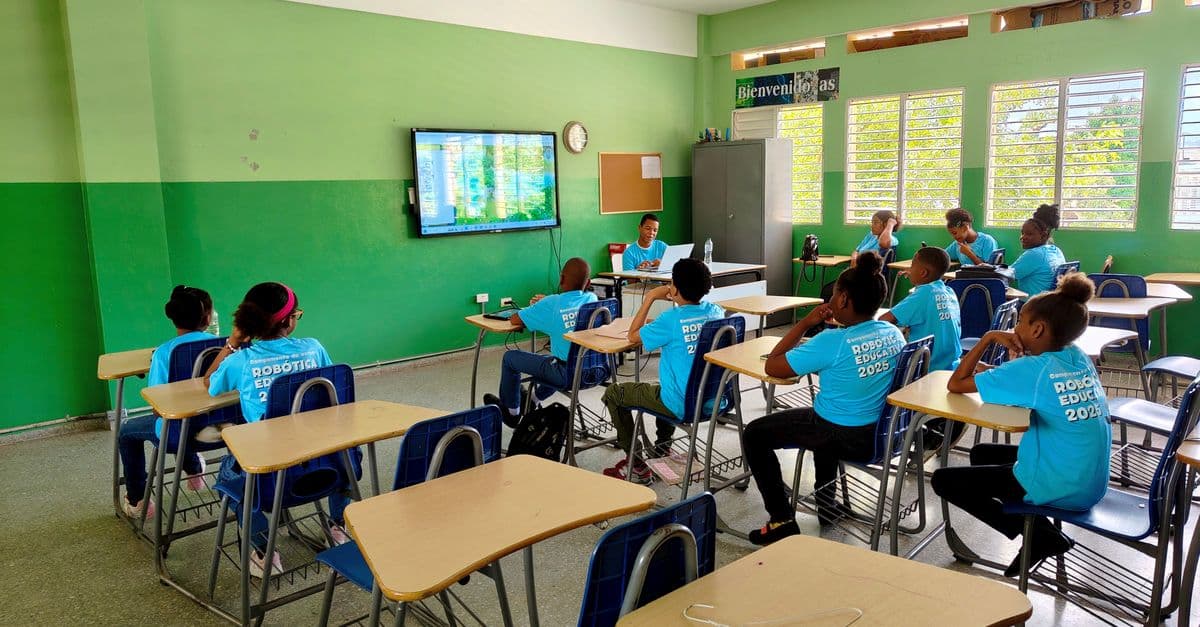
Fire Safety Education Program Builder
Design NFPA-aligned fire safety curricula for any demographic with measurable outcomes
What You Can Do
You'll create evidence-based fire safety education programs tailored to specific audiences—from elementary students to elderly residents to industrial workers. Claude helps you establish clear learning objectives, develop age-appropriate content, design interactive components, build evaluation frameworks, and ensure alignment with NFPA standards and your jurisdiction's priorities throughout the entire program lifecycle.
Features
Identify target demographics, document community fire risks, and assess existing knowledge gaps to inform program design
Develop measurable, audience-specific learning outcomes aligned with Bloom's taxonomy and NFPA education standards
Organize multi-session programs with sequenced content, interactive activities, and assessment checkpoints
Tailor fire safety messaging for different age groups and literacy levels with evidence-based behavior change techniques
Create hands-on activities, simulations, demonstrations, and engagement strategies proven to increase retention
Build assessment tools, data collection methods, and outcome metrics to measure knowledge gains and behavior change
Ensure your curriculum meets NFPA 921 and sector-specific fire safety education guidelines
Generate detailed program descriptions, objectives, and evaluation plans for funding applications
Example Output
Example 1: Elementary School Curriculum Structure
- Learning Objective: Students will identify two safe escape routes from their home
- Session 1: Home fire hazards identification (interactive walkthrough template)
- Session 2: Escape route planning (worksheet with neighborhood map)
- Session 3: Family escape drill practice (parent engagement guide)
- Assessment: Student-created home escape plan with adult feedback
Example 2: Senior Community Program Evaluation Framework
- Pre-test: Knowledge assessment on mobility-adapted fire safety (20-item quiz)
- Program delivery: 4-week series with home safety checklists
- Post-test: Same assessment plus behavioral intention survey
- 3-month follow-up: Home modification checklist and phone interview prompts
- Expected outcome measures: 40% increase in detection devices, 60% evacuation plan completion
Example 3: Commercial Workplace Training Outline
- Target: Warehouse staff with varying English proficiency
- Content modules: Emergency procedures, equipment operation, assembly area accountability
- Activities: Scenario-based drills, bilingual signage review, supervisor competency checklist
- Evaluation: Practical skills demonstration and post-training incident reduction tracking
What's Included
- SKILL.md instruction file with comprehensive program development methodology:
- Needs Assessment Worksheet for documenting target demographics and community fire risks:
- Learning Objectives Template aligned with Bloom's taxonomy and NFPA standards:
- Curriculum Outline Framework for multi-session program structure:
- Interactive Activity Design Checklist with evidence-based engagement strategies:
- Program Evaluation Toolkit including assessment instruments and outcome metrics:
- Audience-Specific Content Guides for youth, seniors, industrial, and multicultural populations:
Who It's For
- Fire Marshals developing public education initiatives and community outreach programs
- Fire Prevention Educators creating curricula for schools and community centers
- Safety Officers designing workplace fire safety training for specific industries
- Grant Program Managers building detailed proposals with program structure and outcomes
- Training Coordinators standardizing fire safety delivery across multiple instructors or locations
Best For
- Developing new fire safety curricula from scratch for specific demographics
- Adapting existing programs for different age groups or community populations
- Creating evaluation frameworks to measure program effectiveness and knowledge retention
- Designing interactive activities and engagement strategies for diverse learning styles
- Building comprehensive grant proposals with detailed program components and measurable outcomes
You might also like

You can rapidly analyze disparate incident intelligence—surveillance observations, suspect history, behavioral indicators, and site conditions—to produce comprehensive risk profiles that guide tactical decision-making. The skill generates operationally prescriptive assessments that clearly identify threat level, required assets, officer safety considerations, and contingency planning, helping you determine whether standard patrol or tactical units should handle apprehension, and ensuring warrant service and containment operations are informed by documented threat justification.
 by geemal2004
You can orchestrate recovery operations spanning months or years by coordinating multiple agencies, tracking resource deployment, and assessing evolving community needs. Claude helps you document recovery priorities, identify unmet needs by sector (housing, debris, utilities, mental health), and generate compliance-ready status reports that keep FEMA, state emergency managers, and elected officials informed. This skill bridges the gap between emergency response and sustained recovery by managing complexity across jurisdictions without losing sight of individual survivor needs.
by geemal2004
You can convert raw DNA laboratory data, mixture interpretations, and statistical findings into structured, defensible forensic reports aligned with SWGDAM guidelines and legal standards. The skill helps you organize complex genetic evidence across multiple data streams—profiles, CODIS matches, population statistics, and mixture resolutions—into coherent case narratives that maintain scientific precision while remaining accessible for expert testimony. You'll reduce report preparation time by 40-60% while improving consistency and legal defensibility across DNA cases.
by geemal2004
You can conduct structured fire code violation assessments that transform raw inspection data into enforceable compliance documentation. The skill maps violations to specific code sections, stratifies risk from immediate threats to administrative issues, and generates notice-of-violation orders with clear corrective action timelines and appeal-resistant reasoning chains that hold up under administrative hearings and legal challenge.
by geemal2004
This skill systematically validates chain-of-custody records for digital forensic evidence against federal, state, and local legal standards. You input your CoC documentation and the skill identifies gaps, inconsistencies, and procedural violations that could compromise evidence admissibility, then generates defensible narratives explaining how evidence remained uncontaminated throughout collection, storage, and analysis.
by geemal2004
You can create defensible chain-of-custody documentation that proves digital evidence remained unchanged and legally handled from acquisition through court presentation. This skill guides you through systematic logging of every custody transfer, access event, storage condition, and handler—building an unbroken narrative that satisfies legal standards and withstands adversarial scrutiny. By using structured protocols and Claude verification, you eliminate documentation gaps that could render evidence inadmissible.
by geemal2004
You can organize complex trace evidence cases from evidence intake through expert report generation. The framework guides you through meticulous documentation, comparative microscopy protocols, interpretation of transfer mechanisms, statistical significance assessment, and preparation of expert testimony materials. This ensures your findings are scientifically defensible and properly contextualized for criminal proceedings.
by geemal2004
You can organize and analyze complex fire investigation data including physical evidence, witness testimony, environmental conditions, and building systems information to identify fire origin and probable cause. Claude helps you cross-reference evidence against NFPA 921 guidelines, synthesize large documentation volumes, and build defensible timelines—all while you maintain investigator authority and scene expertise. The skill supports both administrative findings and legal proceedings with methodical documentation.
by geemal2004