

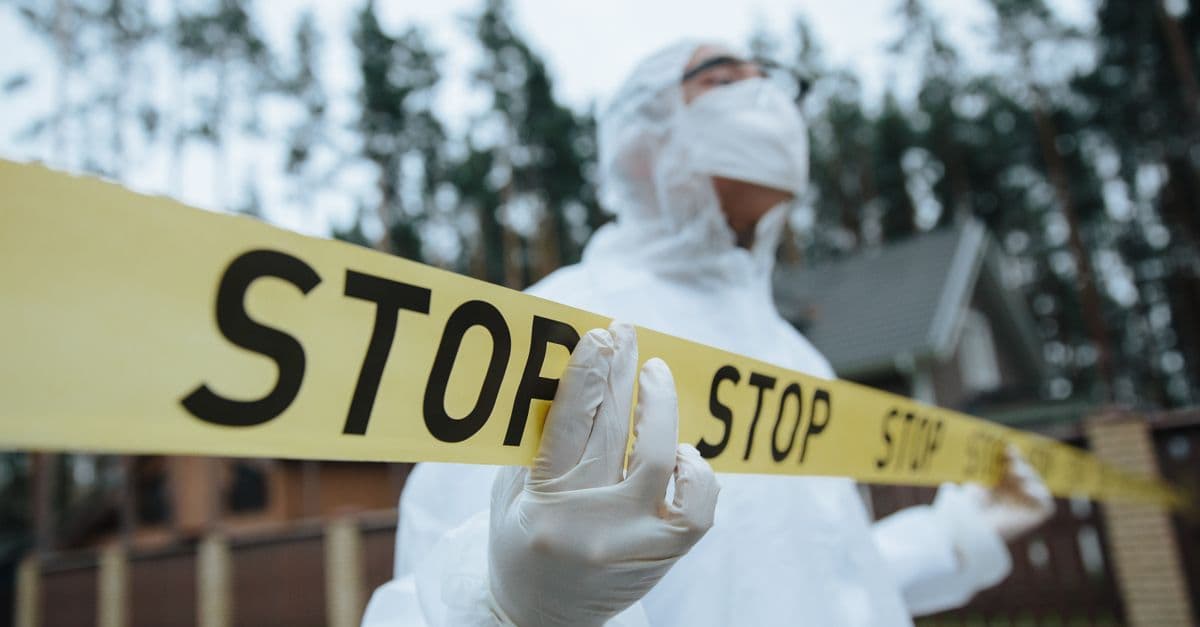
Fire Incident Investigation Analyzer
Analyze fire scenes into legally defensible investigation conclusions
What You Can Do
You can organize complex fire scene data—burn patterns, witness statements, physical evidence, and environmental factors—into structured investigative narratives that establish clear chains of reasoning for origin and cause determination. The skill helps you identify contradictions, evaluate competing hypotheses, and build defensible conclusions resistant to legal challenge by ensuring all evidence relationships and alternative explanations are documented and addressed.
Features
Organize physical evidence, burn patterns, and spatial relationships into hierarchical evidence maps that prioritize critical findings
Cross-reference multiple accounts to identify timeline inconsistencies, corroborate key facts, and flag contradictions for follow-up investigation
Systematically evaluate indicators against established criteria to determine fire classification and eliminate alternative causes
Document connections between physical findings, witness observations, and expert analyses to build transparent chains of reasoning
Structure conclusions with documented rationale, addressed counterarguments, and evidentiary support to withstand prosecution or insurance review
Work through decision trees that ensure all competing hypotheses are evaluated before reaching final origin and cause conclusions
Generate investigation summaries with clear evidence hierarchies, reasoning sequences, and supporting documentation references
Cross-check scene findings against weather data, structural conditions, and utility records to account for contributing circumstances
Example Output
Example 1: Residential Fire Cause Determination
Input: Scene photos showing concentrated burn patterns in master bedroom closet, melted plastic near electrical outlet, witness statement of electrical sparking heard before fire, no evidence of accelerants, minimal outside fire spread.
Output:
- Origin: Master bedroom closet, electrical outlet area
- Primary Cause: Electrical malfunction/arcing
- Supporting Evidence: Concentrated heat damage, melted outlet components, witness account of sparking, negative accelerant detection
- Eliminated Hypotheses: Incendiary (no accelerants, point origin inconsistent with purposeful spread), smoking materials (closet contents inconsistent), open flame (no witness account)
- Confidence Level: High — multiple independent evidence sources support conclusion
Example 2: Commercial Structure Investigation Summary
Input: Multi-room fire with witnesses reporting odor of accelerant, burn patterns showing rapid spread, security footage gap during ignition period, employee motive concerns, competing witness accounts of timeline.
Output:
- Key Contradictions Identified: Witness A reports 10:15 PM ignition; Witness B reports 10:47 PM; footage gap 10:20-10:50 PM
- Evidence Supporting Incendiary: Accelerant odor (requires lab confirmation), rapid spread pattern, security system vulnerability
- Evidence Supporting Accidental: No confirmed accelerant detection results, structural conditions that support natural spread, employee timeline inconsistencies may reflect distress rather than deception
- Recommendation: Pending accelerant lab results and security system examination before final cause determination
- Legal Considerations: Document gap in surveillance evidence; clarify witness reliability factors in report
What's Included
- SKILL.md instruction file: Complete framework for fire scene analysis and investigation documentation
- Evidence hierarchy checklist: Prioritizes physical evidence by evidentiary value and investigative significance
- Witness statement synthesis template: Structured format for cross-referencing accounts, identifying contradictions, and establishing timeline consensus
- Cause determination decision tree: Pathways for evaluating accidental vs. incendiary indicators with documented elimination criteria
- Investigation report scaffold: Report structure with sections for scene observations, evidence findings, competing hypotheses, and legal defensibility rationale
Who It's For
- Fire marshals and fire investigators documenting origin and cause determinations for prosecution or insurance claims
- Insurance adjusters analyzing fire losses and determining coverage eligibility based on cause findings
- Forensic engineers synthesizing fire investigation data with structural and mechanical analysis
- Law enforcement investigators supporting arson prosecutions with organized evidence narratives
- Public safety officials preparing investigation reports that anticipate legal challenges and discovery requests
Best For
- Documenting initial scene observations and establishing evidence hierarchies
- Synthesizing contradictory witness statements into coherent investigation timelines
- Evaluating burn patterns and physical evidence against witness accounts for consistency validation
- Analyzing accidental vs. incendiary indicators using structured decision criteria
- Building investigation conclusions with documented chains of reasoning that withstand legal scrutiny
- Preparing reports that address competing hypotheses and document evidence-based elimination reasoning
You might also like

You can rapidly analyze disparate incident intelligence—surveillance observations, suspect history, behavioral indicators, and site conditions—to produce comprehensive risk profiles that guide tactical decision-making. The skill generates operationally prescriptive assessments that clearly identify threat level, required assets, officer safety considerations, and contingency planning, helping you determine whether standard patrol or tactical units should handle apprehension, and ensuring warrant service and containment operations are informed by documented threat justification.
 by geemal2004
You can orchestrate recovery operations spanning months or years by coordinating multiple agencies, tracking resource deployment, and assessing evolving community needs. Claude helps you document recovery priorities, identify unmet needs by sector (housing, debris, utilities, mental health), and generate compliance-ready status reports that keep FEMA, state emergency managers, and elected officials informed. This skill bridges the gap between emergency response and sustained recovery by managing complexity across jurisdictions without losing sight of individual survivor needs.
by geemal2004
You can convert raw DNA laboratory data, mixture interpretations, and statistical findings into structured, defensible forensic reports aligned with SWGDAM guidelines and legal standards. The skill helps you organize complex genetic evidence across multiple data streams—profiles, CODIS matches, population statistics, and mixture resolutions—into coherent case narratives that maintain scientific precision while remaining accessible for expert testimony. You'll reduce report preparation time by 40-60% while improving consistency and legal defensibility across DNA cases.
by geemal2004
This skill systematically validates chain-of-custody records for digital forensic evidence against federal, state, and local legal standards. You input your CoC documentation and the skill identifies gaps, inconsistencies, and procedural violations that could compromise evidence admissibility, then generates defensible narratives explaining how evidence remained uncontaminated throughout collection, storage, and analysis.
by geemal2004
You can create defensible chain-of-custody documentation that proves digital evidence remained unchanged and legally handled from acquisition through court presentation. This skill guides you through systematic logging of every custody transfer, access event, storage condition, and handler—building an unbroken narrative that satisfies legal standards and withstands adversarial scrutiny. By using structured protocols and Claude verification, you eliminate documentation gaps that could render evidence inadmissible.
by geemal2004
You can organize complex trace evidence cases from evidence intake through expert report generation. The framework guides you through meticulous documentation, comparative microscopy protocols, interpretation of transfer mechanisms, statistical significance assessment, and preparation of expert testimony materials. This ensures your findings are scientifically defensible and properly contextualized for criminal proceedings.
by geemal2004
You can rapidly process incident information from multiple responding agencies to generate coherent situational pictures, stress-test response decisions before implementation, identify resource conflicts across jurisdictions, and create actionable briefing materials for incident commanders. The skill structures chaotic, time-pressured decision-making into organized intelligence while maintaining audit trails for post-incident review and compliance with ICS framework requirements.
by geemal2004
You can organize and analyze complex fire investigation data including physical evidence, witness testimony, environmental conditions, and building systems information to identify fire origin and probable cause. Claude helps you cross-reference evidence against NFPA 921 guidelines, synthesize large documentation volumes, and build defensible timelines—all while you maintain investigator authority and scene expertise. The skill supports both administrative findings and legal proceedings with methodical documentation.
by geemal2004