

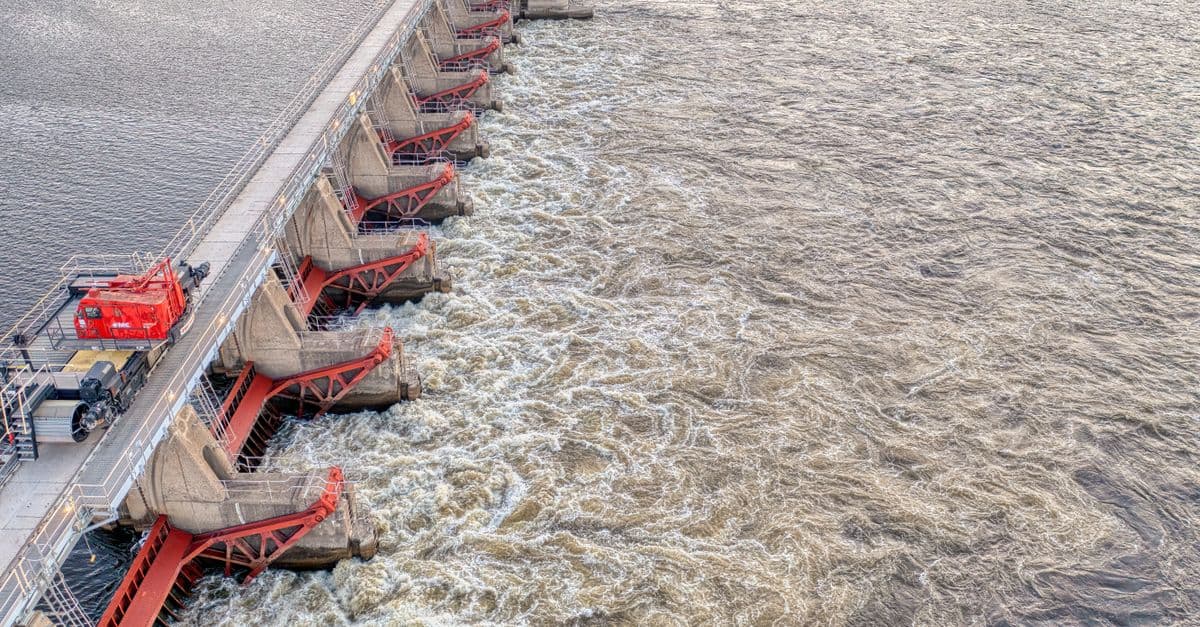
Hydrologic Design & Analysis Assistant
Accelerate hydrologic modeling, stormwater design calculations, and water balance analysis
What You Can Do
You can rapidly perform peak discharge calculations using rational method, NRCS, and SCS approaches; size stormwater detention and retention basins with geometry verification; analyze rainfall frequency data and storm events; develop water balance spreadsheets for supply planning; and document hydrologic assumptions with full calculation verification. Claude cross-checks unit conversions, interpretation of USGS/NOAA data, and detention basin orifice calculations to accelerate your design workflow.
Features
Applies rational method, NRCS, and SCS methods with automatic coefficient and runoff calculations for your site conditions
Sizes detention/retention basins and verifies orifice flow rates, storage volumes, and outlet configurations
Develops supply-demand spreadsheets, infiltration assessments, and drought or flood scenario modeling
Analyzes storm frequency, intensity-duration-frequency (IDF) curves, and appropriate return periods from NOAA/USGS sources
Generates design report narratives with CN values, imperviousness ratios, time of concentration, and antecedent moisture conditions
Catches calculation errors, verifies consistent unit systems, and checks intermediate results against professional standards
Helps structure stormwater pollution prevention plans with erosion control sizing tied to runoff volumes
Example Output
Example 1: Peak Discharge Calculation
Input: 2-acre commercial site, 85% impervious, 10-year storm, urban area
Output: Using Rational Method (Q = CiA), Claude calculates:
- Runoff coefficient (C) = 0.72 (weighted for 85% imperviousness)
- Time of concentration = 8 minutes
- Rainfall intensity (i) = 4.2 in/hr (from local IDF curve)
- Peak discharge = 0.72 × 4.2 × 2 = 6.05 cfs
- Recommendation: Size inlet/outlet for 6.5 cfs minimum
Example 2: Detention Basin Sizing
Input: Predevelopment runoff 1.2 cfs, postdevelopment 8.5 cfs, storm duration 30 min
Output: Claude designs basin geometry:
- Required storage volume = 15,200 cubic feet
- Basin dimensions: 120 ft × 130 ft × 1 ft (adjustable depth)
- Outlet orifice: 4-inch diameter (Q = 2.1 cfs at full pool)
- Drawdown time: 4.5 hours ✓ Meets 24-hr minimum standard
Example 3: Water Balance Summary
Output table showing annual supply (municipal + rainfall), demand (irrigation + indoor + cooling), and seasonal surplus/deficit for 5-year drought scenario with recommendations for storage sizing.
What's Included
- SKILL.md: Complete skill configuration and usage guidelines
- Rational Method Workflow: Step-by-step calculation template for peak discharge using C, i, and A inputs
- Basin Sizing Checklist: Geometry verification, outlet orifice design, and drawdown time validation checklist
- Water Balance Template: Monthly supply/demand spreadsheet structure for supply planning and drought analysis
- Hydrologic Assumptions Documentation: Design report boilerplate with CN values, imperviousness, and land cover justifications
- USGS/NOAA Data Interpretation Guide: How to extract rainfall frequency, streamflow, and infiltration data for Claude analysis
Who It's For
- Civil engineers specializing in water resources design and stormwater management
- Hydrologic consultants performing basin studies and flood risk assessments
- Site development engineers designing drainage systems for commercial and residential projects
- Municipal engineers managing stormwater infrastructure and SWPPP compliance
- Landscape architects integrating water balance and sustainable drainage into site plans
Best For
- Rainfall-runoff calculations for design storms of specified return periods
- Detention and retention basin sizing with geometry and outlet verification
- Water supply-demand balancing and drought scenario modeling
- Storm event analysis and peak discharge forecasting
- Hydrologic assumption documentation and calculation verification for design reports
- Stormwater quality and quantity plan development
- USGS and NOAA data interpretation for local hydrology
You might also like
You can conduct comprehensive safety impact assessments for any transportation design intervention—from intersection redesigns to speed reduction corridors. The skill guides you through hazard identification, risk quantification using established methodologies (conflict studies, crash prediction models), and evidence-based mitigation development. You'll produce defensible safety documentation suitable for audits, litigation, and project approvals.
 by az9713

This skill deconstructs your writing samples to identify the specific patterns, personality markers, emotional range, language quirks, and formatting habits that make your voice uniquely yours. You'll receive a detailed voice DNA profile that includes your core communication style, signature phrases, emotional tone, formality level, and what you actively avoid—creating a blueprint that AI systems can use to replicate your authentic voice consistently across projects, platforms, and content types.
by az9713
Design earth retention systems by inputting soil properties, site geometry, and regulatory requirements. Claude calculates lateral earth pressures using Coulomb, Rankine, and Mononobe-Okabe methods, verifies factors of safety for internal and external stability, compares competing retention concepts (gravity walls, cantilever, anchored, sheet-pile, soil-nail), and generates cost-benefit analysis and regulatory documentation packages ready for permit submission.
by az9713
You can systematically process field survey data, measurements, and instrument readings into verified construction documents. Claude helps you validate coordinate systems, identify measurement anomalies before they reach the field, convert between coordinate frameworks (State Plane, local grids, UTM), and structure professional stakeout packages with appropriate precision and redundancy for construction teams.
by az9713
You can organize and analyze competing boundary claims by cross-referencing deed language, survey records, and regulatory filings. Claude identifies conflicting evidence, flags ambiguous deed descriptions, and builds chronological narratives that document the historical basis for your survey findings. This creates the documentary foundation needed to defend your survey work before mediation, litigation, or client disputes.
by az9713
You can submit architectural design documents, floor plans, and project parameters to receive a comprehensive compliance analysis that cross-references IBC, local amendments, zoning ordinances, and ADA accessibility requirements. Claude identifies specific gaps, cites applicable code sections, explains why each gap matters, and provides concrete remediation strategies—all before formal design review submission when corrections are costly and schedule-impacting.
by az9713
You can rapidly review fire protection system designs by cross-referencing applicable NFPA codes, calculating system hydraulic demands, validating component selections, and identifying compliance gaps. The skill automates technical verification tasks—from pump sizing and sprinkler head spacing to water supply adequacy and backflow preventer specification—reducing manual review time and design errors during development and plan review phases.
by az9713
Query your local Screenpipe instance to retrieve screen recordings, audio transcriptions, UI element accessibility trees, keyboard/mouse input logs, and productivity analytics. You can search by keywords, filter by content type (audio, OCR, accessibility, input), set time ranges, and extract structured data about your applications, meetings, and work sessions without sending data to external servers.
by az9713