

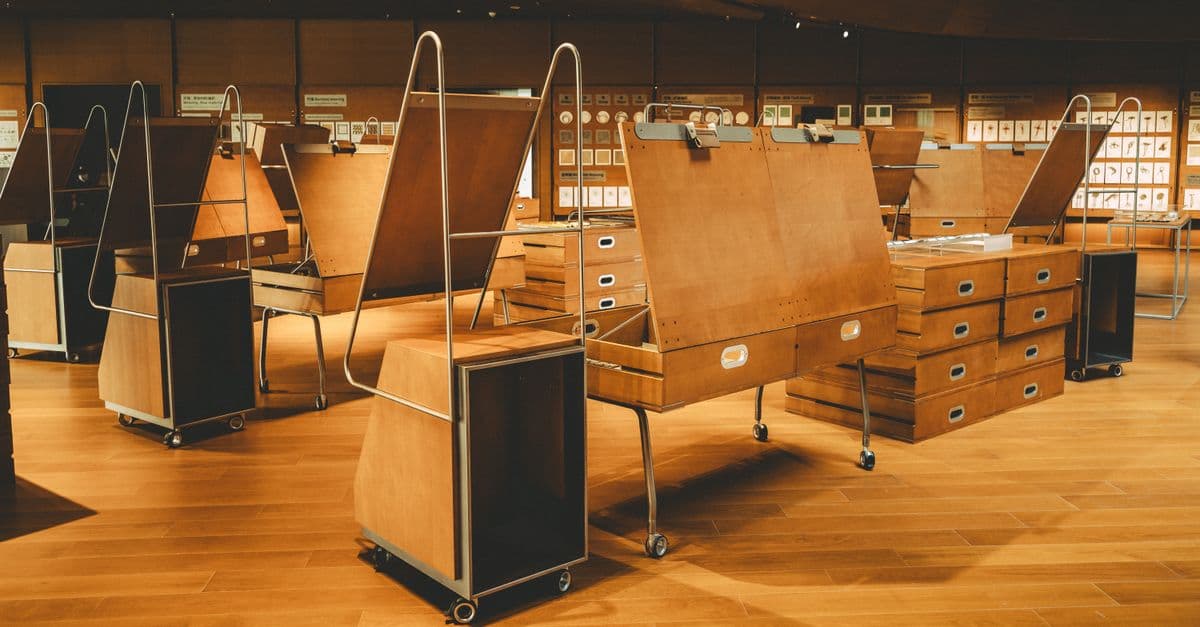
Exhibition Wayfinding & Navigation System Designer
Design comprehensive exhibition wayfinding systems with signage hierarchies and flow diagrams
What You Can Do
You can rapidly develop cohesive wayfinding systems for exhibitions by generating signage hierarchies, visitor flow diagrams with decision points, accessibility compliance matrices, color-coding systems, and design specifications. This skill translates exhibition layouts into systematic navigation experiences, reducing concept iteration cycles and ensuring all navigation touchpoints—from directional signage to emergency egress—are comprehensively covered and compliant with accessibility standards.
Features
Generate primary, secondary, and tertiary sign categories with clear visual distinctions and placement logic
Create spatial navigation maps showing traffic patterns, decision points, and critical wayfinding moments throughout the exhibition
Produce documentation mapping exhibition zones against ADA, Equality Act, and local accessibility codes with remediation notes
Develop systematic visual coding systems for zones, themes, or navigation types that reinforce spatial orientation
Generate comprehensive design briefs including typography, sizing, material considerations, and installation guidelines
Structure cost distribution across signage categories and installation phases for planning and vendor coordination
Integrate clear evacuation pathway clarity into the overall navigation system design
Example Output
Exhibition Wayfinding Concept for Natural History Museum
Signage Hierarchy:
- Level 1 (Primary): "Dinosaurs" — 48pt bold sans-serif, overhead hanging signs at major gallery entries
- Level 2 (Secondary): "Jurassic Period" — 32pt directional markers at zone boundaries
- Level 3 (Tertiary): Interpretive labels — 18pt descriptive text at individual specimen stations
Visitor Flow Diagram:
Main Entrance → Information Desk → Gallery A (Dinosaurs)
    ↓
   Gallery B (Mammals) ← Accessibility Loop ← Restrooms
    ↓
   Gallery C (Fossils) → Café → Exit
Accessibility Compliance Matrix:
| Zone | Wayfinding Element | ADA Requirement | Status | Notes |
|---|---|---|---|---|
| A | Directional Sign | 48" minimum height | ✓ | Clear sightline from 6ft |
| B | Tactile Map | Braille labels + raised relief | ✓ | Placed at accessible counter |
| C | Color contrast | 3:1 minimum | ⚠ | Revise background to meet standard |
What's Included
- SKILL.md: Complete wayfinding system framework and methodology
- Signage Hierarchy Template: Layered system structure with typography and sizing specifications
- Visitor Flow Diagram Template: Spatial mapping framework with decision points and traffic patterns
- Accessibility Compliance Checklist: ADA/Equality Act requirements matrix by exhibition zone
- Wayfinding Design Brief Template: Specifications document for color coding, iconography, materials, and installation
Who It's For
- Exhibition designers and curators planning navigation systems for museums, galleries, and cultural institutions
- Environmental graphic designers developing spatial signage strategies for large-scale exhibitions
- Accessibility compliance officers ensuring exhibition spaces meet accessibility standards and codes
- Exhibition architects coordinating wayfinding integration with spatial layout and traffic flow
- Project managers budgeting and phasing wayfinding implementation across exhibition development
Best For
- Multi-zone exhibitions requiring coherent navigation systems across diverse spaces
- Projects requiring ADA/accessibility compliance documentation and remediation planning
- Conceptual design phases where rapid iteration on signage strategies is needed
- Large institutional exhibitions needing systematic visitor journey mapping with decision points
- Wayfinding projects requiring color, typography, and iconography system development
You might also like

You can rapidly transform vague creative direction into concrete, actionable title sequence specifications that motion designers can implement immediately. This skill extracts motion requirements, establishes timing frameworks, defines typography hierarchies, and creates visual treatment specifications directly from briefs—reducing revision cycles and directional misalignment. You'll produce structured production documents that clarify constraints, success metrics, and technical requirements before any keyframes are set.
 by camalus
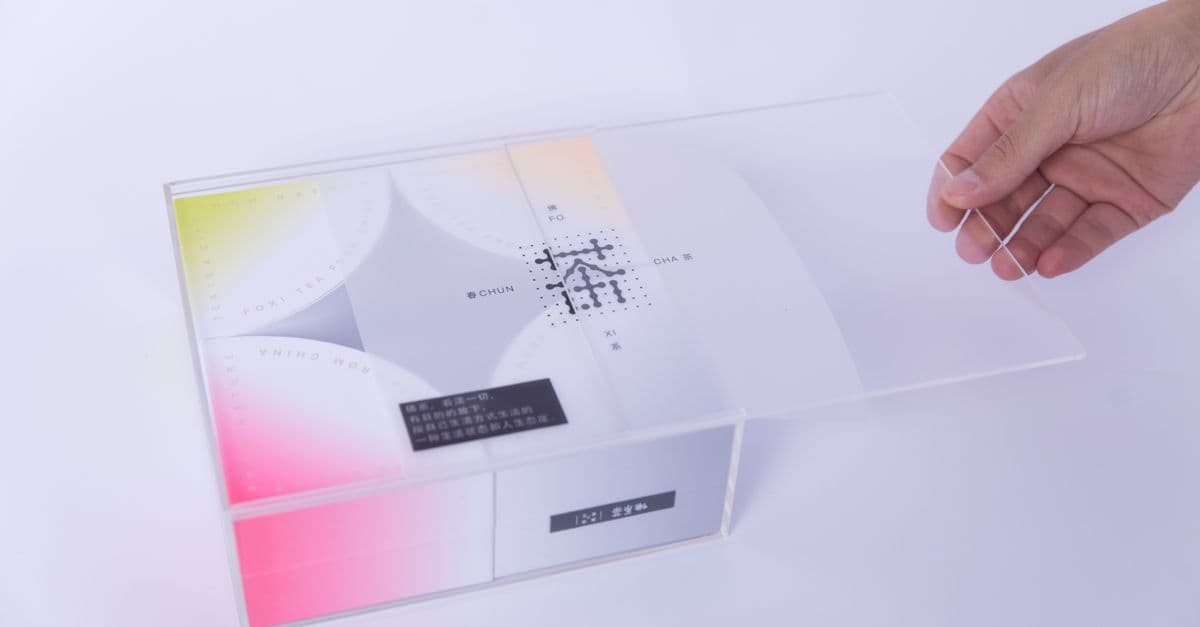
You'll transform scattered packaging requirements, stakeholder input, and technical constraints into a unified, actionable design brief. The skill synthesizes business objectives, regulatory compliance requirements, production capabilities, and competitive positioning into a single document that guides your creative process and eliminates ambiguity before design commences. It operates in two modes: building briefs from scratch and validating existing briefs for gaps and inconsistencies.
by camalus
You can take raw creative briefs and convert them into structured character design packages that include visual specifications, personality matrices, silhouette variants, design rationale, and consistency frameworks. Claude synthesizes your requirements into actionable specifications that establish character DNA, visual hierarchy, and distinguishing features—accelerating your concept phase and eliminating ambiguous revisions before you begin detailed rendering.
by camalus
You can develop comprehensive brand naming strategies that move beyond brainstorming to professional-grade naming processes. The framework guides you through strategic positioning, generates names across multiple naming categories, conducts linguistic feasibility analysis, screens for competitive and trademark conflicts, and validates market perception—producing names that are ownable, memorable, and strategically aligned with your brand positioning.
by camalus
You'll generate professional, standardized specification documents that cover every technical requirement, material choice, finishing detail, and color specification your printer needs. These specs bridge the gap between your design intent and final production, reducing costly back-and-forth communication and ensuring color-critical output meets brand standards. Whether you're managing complex packaging jobs with multiple components or specialty finishes like embossing and die cuts, you'll create documentation that printers actually want to receive.
by camalus
You can create comprehensive wayfinding strategies that integrate typography, color coding, materiality, positioning, and interactive elements into systems tailored to your exhibition's architecture and narrative structure. This skill helps you develop visitor-centered spatial communication systems that guide audiences intuitively while managing flow, reinforcing curatorial intent, and ensuring accessibility compliance across permanent or temporary installations.
by camalus
This skill helps you generate detailed specification documents that eliminate ambiguity in technical illustration work. You'll produce dimensional specifications, part relationships, view angle requirements, asset inventories, and quality control checklists that enable seamless handoffs to illustrators, manufacturers, or documentation teams. The result is first-pass accuracy that prevents costly revisions and ensures production-ready diagrams.
by camalus
You can systematically analyze competing packaging demands—aesthetic appeal, material efficiency, manufacturing capability, cost targets, and product protection—to identify which constraints conflict and why. This skill helps you map how changes in one structural element (flap geometry, board thickness, fold radius) cascade through manufacturing feasibility, cost, and performance, enabling you to resolve contradictions early and communicate design tradeoffs clearly to manufacturers and stakeholders.
by camalus