


Seismic Design Analysis Assistant
Evaluate seismic design parameters and generate code-compliant lateral load analysis
What You Can Do
You can structure complex seismic analyses by organizing site-specific parameters (soil class, risk category, spectral accelerations), cross-referencing design codes to establish force requirements, comparing ELF versus modal analysis approaches, and identifying critical connection vulnerabilities. Claude helps you synthesize analysis results into compliance-verified design narratives that withstand peer review and permitting scrutiny.
Features
systematize soil characteristics, seismic hazard data, and building risk categories for code application
cross-reference ASCE 7, NEHRP, and IBC requirements to establish lateral force demands and response modification factors
organize ELF and modal analysis comparisons to verify member adequacy and system performance
identify critical force transfer paths and potential redundancy gaps in lateral resisting systems
review critical details, fastening, and detailing for seismic performance and failure risk
create structured narratives explaining design decisions for peer review and regulatory compliance
assess existing structure vulnerabilities and compare upgrade approaches against seismic objectives
Example Output
Example 1: Design Force Calculation Summary
- Building Risk Category: II (Standard occupancy, Occupancy Importance Factor Ie = 1.0)
- Site Class: D (Stiff clay/sand, Ss = 1.2g, S1 = 0.4g)
- Structural System: Special Moment Resisting Frame (R = 8, Cd = 5.5, ωo = 1.0)
- Design Spectral Acceleration: SDS = 0.72g; SD1 = 0.24g
- Base Shear (ELF): V = 0.48W (confirming modal analysis results ✓)
Example 2: Demand/Capacity Assessment
- Column P/Py Ratio: 0.35 (adequate margin for flexural yielding)
- Beam-Column Connection Shear Capacity: 1.4× demand (governs panel zone design)
- Story Drift Check: 1.1% < 1.5% limit (ductile response maintained)
Example 3: Compliance Documentation Extract Seismic force demands established per ASCE 7-22 Chapter 12 (ELF Method). Response modification factor R = 8 applied per Table 12.2-1 for SMRF systems with special detailing. Capacity verification confirms member yielding occurs in beams before columns, achieving intended plastic mechanism.
What's Included
- SEISMIC-DESIGN-ANALYSIS-ASSISTANT.md: complete skill instruction file with methodology framework
- Seismic Design Checklist: systematic verification steps for parameter organization, code application, and compliance confirmation
- Demand/Capacity Analysis Template: structured comparison format for ELF vs. modal results with capacity margin documentation
- Code Compliance Reference Matrix: quick-lookup table for ASCE 7, NEHRP, IBC requirements by building type and structural system
- Design Justification Narrative Framework: structured outline for peer review documentation and permitting submissions
Who It's For
- Structural engineers conducting new seismic designs or major retrofits
- Design leads coordinating multidisciplinary lateral load analysis on mid to large-scale projects
- Junior engineers learning seismic code application and design verification workflows
- Peer reviewers validating third-party seismic analyses and design assumptions
- Project managers preparing design packages for permitting and stakeholder approval
Best For
- Initial seismic design strategy development for new buildings
- Organizing FEA results into code-compliant design documentation
- Value engineering lateral systems while maintaining seismic performance targets
- Reviewing existing structure vulnerabilities for retrofit prioritization
- Training junior engineers on ASCE 7 application and design verification methods
You might also like
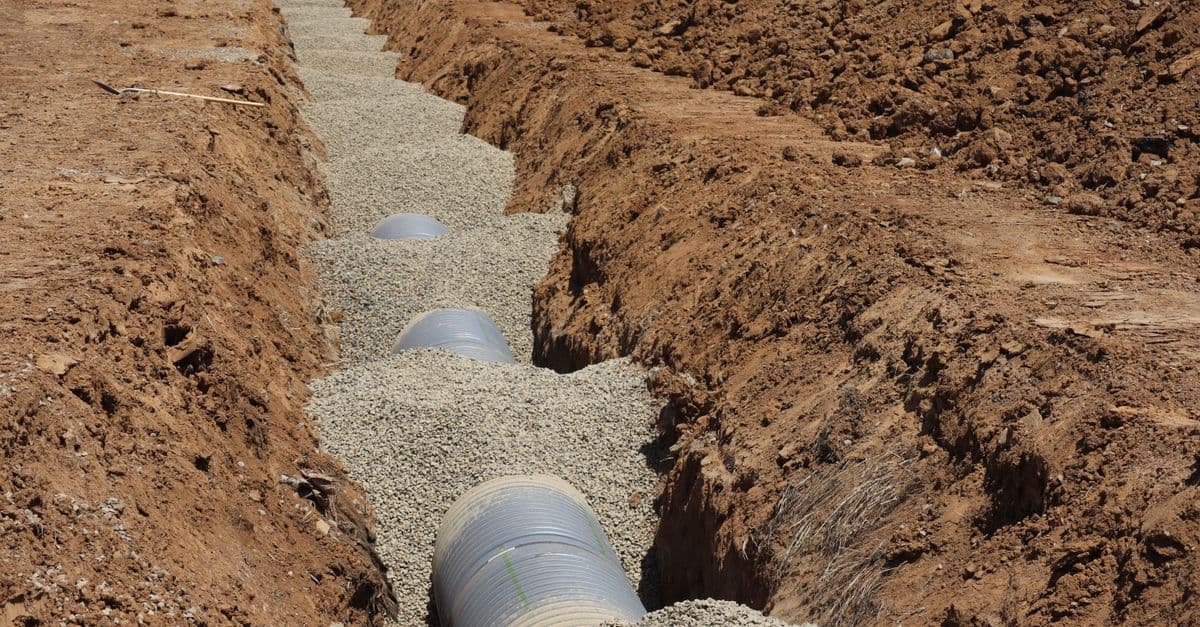
You can transform raw geotechnical field data into professional-grade site investigation reports that include soil classification using USCS standards, bearing capacity calculations, settlement predictions, and specific foundation design recommendations. The skill organizes stratigraphic information across multiple boring locations, cross-references laboratory test results, and produces defensible conclusions compliant with IBC, ASCE 7, and local building codes—suitable for building officials, structural engineers, and construction teams.
 by az9713

You can conduct comprehensive safety impact assessments for any transportation design intervention—from intersection redesigns to speed reduction corridors. The skill guides you through hazard identification, risk quantification using established methodologies (conflict studies, crash prediction models), and evidence-based mitigation development. You'll produce defensible safety documentation suitable for audits, litigation, and project approvals.
by az9713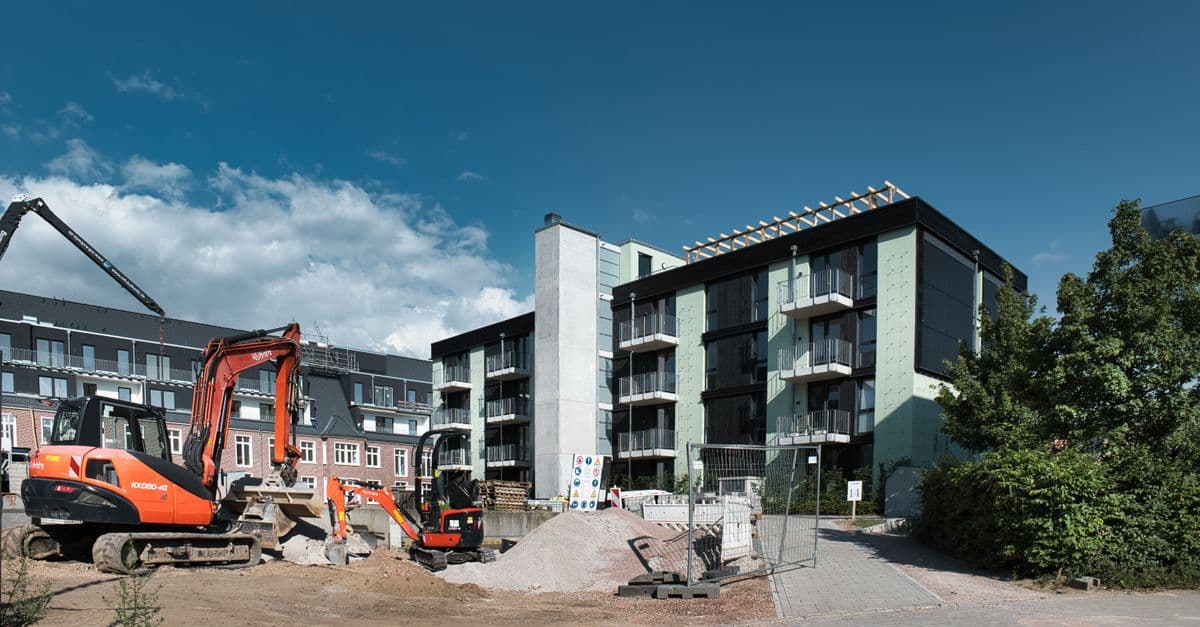
This skill cross-references your residential design specifications against jurisdiction-specific building codes (IBC, IRC, local amendments) to identify code violations, ambiguous details inspectors will challenge, and compliance documentation gaps. You can validate designs across multiple jurisdictions, evaluate design trade-offs (fire-rating vs. acoustic performance), and generate compliance narratives that support permit applications—all before formal submission.
by az9713
You can input room dimensions, functional requirements, and design constraints to receive optimized furniture layouts with documented traffic flow patterns and compliance verification. Claude analyzes competing spatial demands—usable area, sightlines, egress, zoning—and produces data-driven plans that satisfy functional, regulatory, and aesthetic objectives simultaneously. This accelerates initial space planning and helps identify conflicts before costly revisions.
by az9713
This skill deconstructs your writing samples to identify the specific patterns, personality markers, emotional range, language quirks, and formatting habits that make your voice uniquely yours. You'll receive a detailed voice DNA profile that includes your core communication style, signature phrases, emotional tone, formality level, and what you actively avoid—creating a blueprint that AI systems can use to replicate your authentic voice consistently across projects, platforms, and content types.
by az9713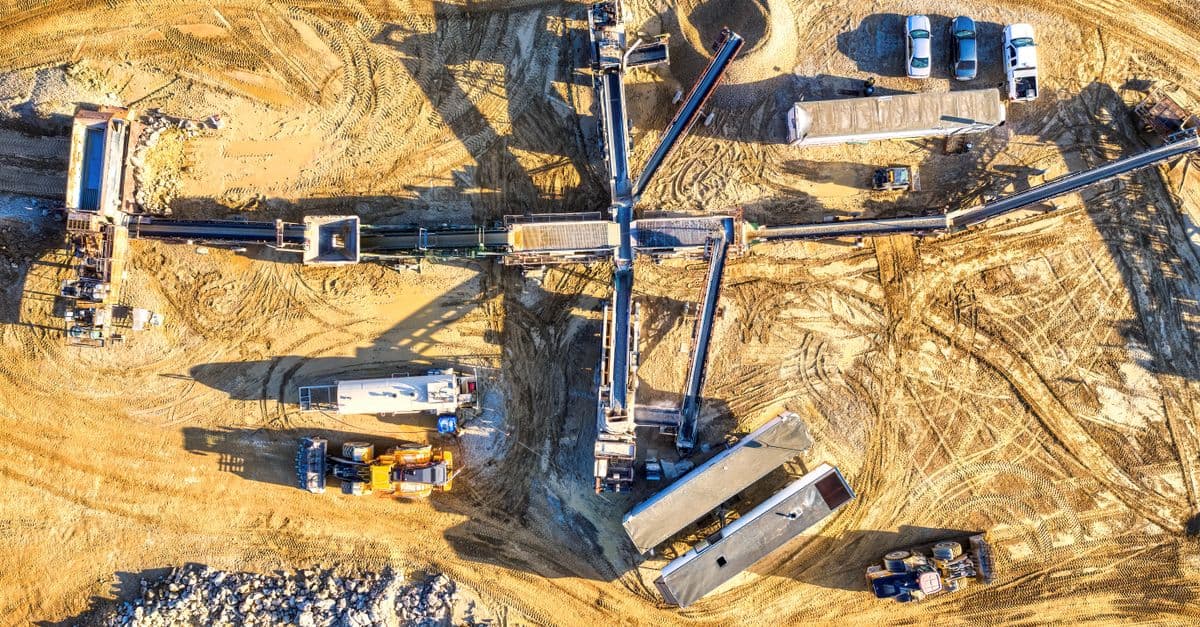
Design earth retention systems by inputting soil properties, site geometry, and regulatory requirements. Claude calculates lateral earth pressures using Coulomb, Rankine, and Mononobe-Okabe methods, verifies factors of safety for internal and external stability, compares competing retention concepts (gravity walls, cantilever, anchored, sheet-pile, soil-nail), and generates cost-benefit analysis and regulatory documentation packages ready for permit submission.
by az9713
You can submit architectural design documents, floor plans, and project parameters to receive a comprehensive compliance analysis that cross-references IBC, local amendments, zoning ordinances, and ADA accessibility requirements. Claude identifies specific gaps, cites applicable code sections, explains why each gap matters, and provides concrete remediation strategies—all before formal design review submission when corrections are costly and schedule-impacting.
by az9713
Query your local Screenpipe instance to retrieve screen recordings, audio transcriptions, UI element accessibility trees, keyboard/mouse input logs, and productivity analytics. You can search by keywords, filter by content type (audio, OCR, accessibility, input), set time ranges, and extract structured data about your applications, meetings, and work sessions without sending data to external servers.
by az9713