

ECU Diagnostic Code Analyzer
Decode ECU diagnostic codes and generate targeted debugging strategies

What You Can Do
This skill enables you to rapidly decode ECU diagnostic trouble codes, cross-reference them with vehicle architecture and monitor logic, identify whether issues stem from firmware, calibration, hardware, or integration problems, and generate actionable debugging strategies. By automating DTC interpretation and fault tree analysis, you can compress weeks of manual cross-referencing into structured analysis that prioritizes root causes and reduces warranty costs.
Features
Interpret standard OBD-II codes and proprietary manufacturer codes with sensor thresholds and timing windows
Map dependencies across networked ECUs to identify single root causes triggering multiple DTCs
Distinguish between firmware logic issues, calibration parameter faults, hardware degradation, and integration problems
Debug onboard diagnostic monitor thresholds, timing windows, and false-positive triggers
Correlate DTC patterns across vehicle populations to identify systemic calibration or design issues
Produce prioritized test plans, lab reproduction steps, and dynamometer test procedures
Generate diagnostic guides and calibration release notes with code explanations and corrective actions
Link related DTCs to single root causes (e.g., fuel pressure + misfire DTCs from pump failure)
Example Output
Input: P0171 (System Too Lean Bank 1) + P0300 (Random Misfire Detected) triggered on 2024 model year vehicle
Output:
Primary Fault: Fuel Pump Pressure Below Threshold
├─ Monitor: Fuel Rail Pressure Monitor (threshold: 45-65 psi)
├─ Sensor Signal: Fuel pressure sensor reading 38 psi at idle (below 45 psi threshold)
├─ Actuator Impact: Injector pulse width compensation insufficient → lean air-fuel ratio
├─ Secondary Effect: Misfire detection triggered during idle stability test
└─ Root Cause: Fuel pump relay circuit voltage drop OR fuel pump degradation

Recommended Debugging Steps:
1. Measure fuel pump relay output voltage (expect 12V+)
2. Check fuel pump current draw (typical: 4-6A at idle)
3. Inspect fuel filter pressure drop across element
4. Validate fuel rail pressure sensor calibration ±2%
5. Run fuel pump endurance test at 50°C/120°F for 30 minutes
Input: Cabin electronics ECU reports P1234 (Proprietary: CAN Message Timeout from Powertrain ECU)
Output:
Comm Fault: Powertrain ECU Not Transmitting on CAN Bus
├─ Expected Message: PWR_ECU_Status (500 ms cycle time)
├─ Detection Logic: Cabin ECU timeout monitor fires after 2 missing cycles
├─ Network Impact: Loss of engine speed, load, and diagnostic enable signals
└─ Probable Sources: CAN transceiver fault | Powertrain ECU watchdog reset | Wiring open/short

Testing Strategy:
• Oscilloscope: Capture CAN_H/CAN_L signals during key-on, verify 500 kbps bitrate
• Bench test: Powertrain ECU standalone with CAN message generator
• HIL simulation: Inject CAN timeout fault to verify timeout logic threshold
What's Included
- ecu-diagnostic-code-analyzer.md: Core instruction file with DTC decoding methodology, fault tree analysis framework, and debugging prioritization logic
- DTC Cross-Reference Template: Standardized worksheet mapping OBD-II and manufacturer codes to monitor logic, thresholds, and root cause categories
- Fault Tree Analysis Checklist: Step-by-step guide for tracing dependent DTCs across networked ECUs and identifying primary vs. secondary faults
- Debug Strategy Worksheet: Framework for generating lab reproduction steps, test point measurements, and dynamometer procedures
- Fleet Pattern Analysis Matrix: Template for correlating DTC frequency across vehicle populations by model year, production week, and calibration version
Who It's For
- Automotive Embedded Software Engineers — Diagnosing firmware logic issues and monitor threshold tuning during calibration development
- Powertrain/Chassis System Engineers — Identifying root causes in ECU architectures and CAN network integration
- Field Service Technicians — Rapidly triaging vehicle DTCs and prioritizing repair procedures to reduce downtime
- Calibration Engineers — Debugging false-positive DTC triggers and optimizing monitor thresholds post-release
- Quality & Warranty Analysts — Analyzing fleet DTC patterns to identify systemic issues and manage recall campaigns
Best For
- Field vehicle DTC rapid root cause analysis during warranty investigation
- Lab and dynamometer testing to reproduce DTCs under controlled conditions
- Debugging monitor logic that generates false positives or missed faults
- Prioritizing which DTCs to address in calibration release cycles
- Creating DTC documentation and diagnostic strategy guides for service networks
You might also like

You can systematically analyze suspension geometry, load paths, and component interactions to validate design decisions and identify optimization opportunities. Claude acts as your collaborative design partner to map force distributions, explore how geometry changes affect performance characteristics, compare suspension architectures, and reconcile conflicting engineering constraints in independent double-wishbone, multi-link, and other suspension systems.
You can transform vague customer NVH complaints into actionable diagnostic protocols by systematically mapping vibration sources, transfer paths, and receiver responses. The framework guides you through symptom normalization, operational condition analysis, and isolation strategy development—reducing diagnostic iteration cycles and accelerating root cause identification across powertrain, chassis, interior, and aerodynamic domains.
You can pinpoint the exact source of sensor fusion failures—whether they stem from misaligned camera/LiDAR/radar extrinsic calibration, timestamp desynchronization, data validation gaps, or algorithmic issues. This skill decomposes multi-modal perception errors into sensor-specific contributions and generates quantifiable diagnostic reports that directly guide calibration and testing teams toward fixes rather than blind troubleshooting.
You can efficiently diagnose complex NVH concerns by working through a structured framework that correlates customer symptoms with potential powertrain failures. This skill helps you narrow diagnostic possibilities, recommend targeted testing sequences, distinguish between component failures and tuning issues, and substantiate warranty claims with technical evidence.
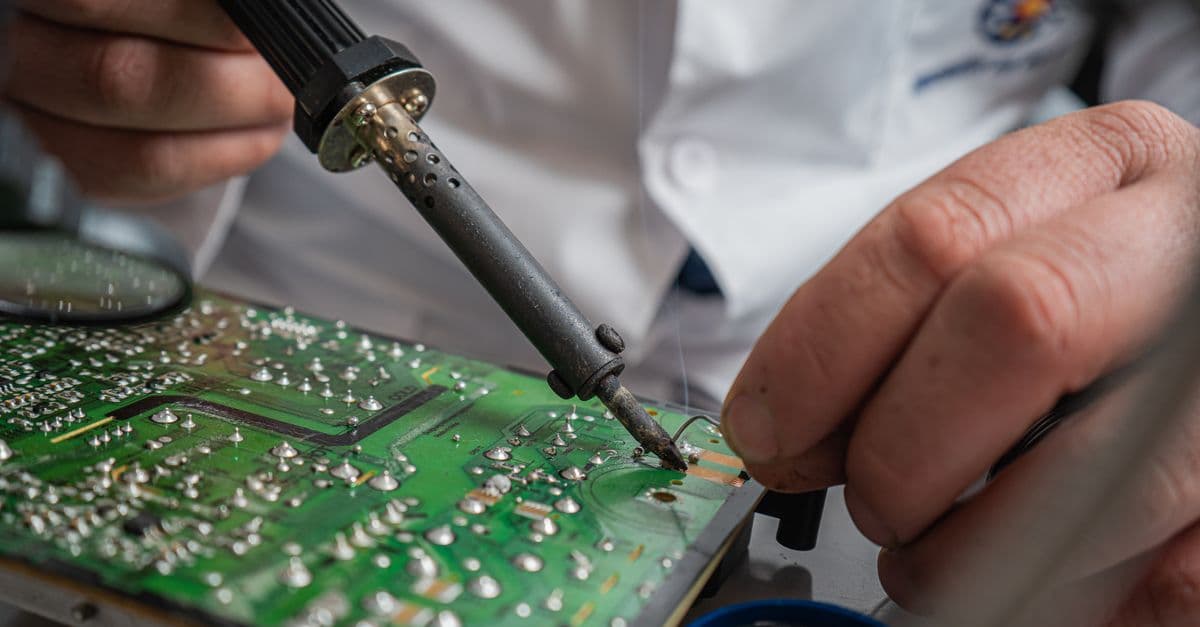
You can model transient and steady-state thermal behavior in EV power electronics, calculate junction temperature rise during driving cycles, and design cooling strategies that meet automotive thermal specifications. This skill helps you size heat sinks, evaluate thermal interface materials, compare active versus passive cooling approaches, and validate designs against AEC-Q200 and ISO 16750-3 standards.
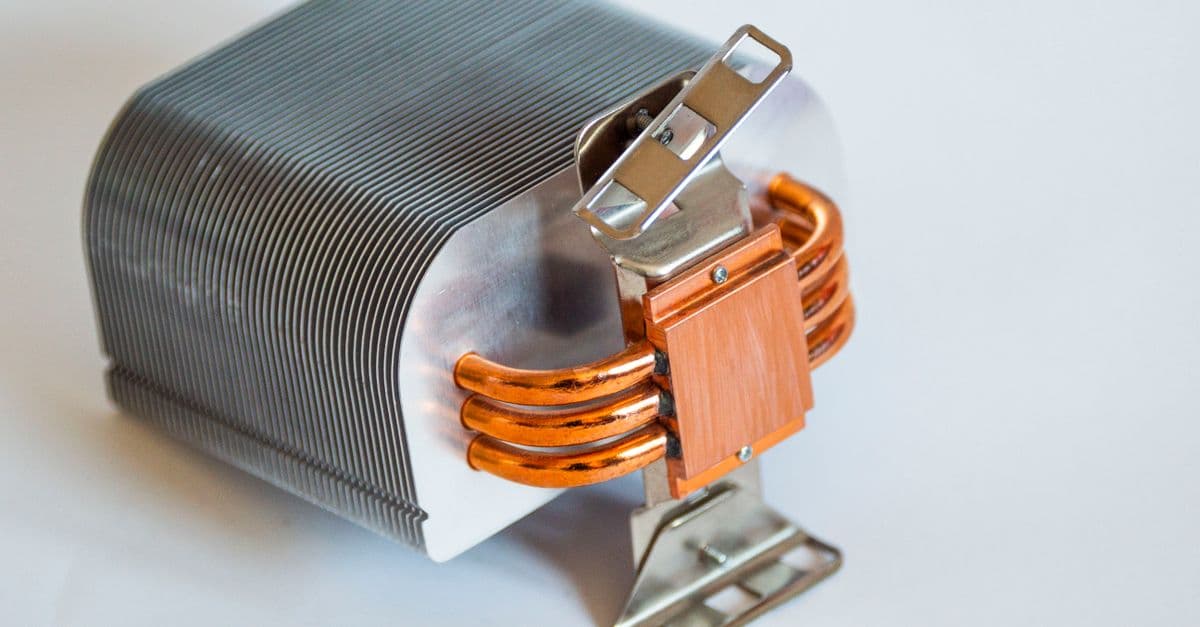
You can systematically analyze thermal performance of battery pack designs using heat generation physics, thermal resistance calculations, and boundary condition modeling. The skill helps you identify cooling system inadequacies, assess failure modes like temperature runaway and hot-spot formation, and generate optimized design recommendations across passive air, active liquid, hybrid, and advanced cooling strategies for cylindrical, pouch, and prismatic cell formats.
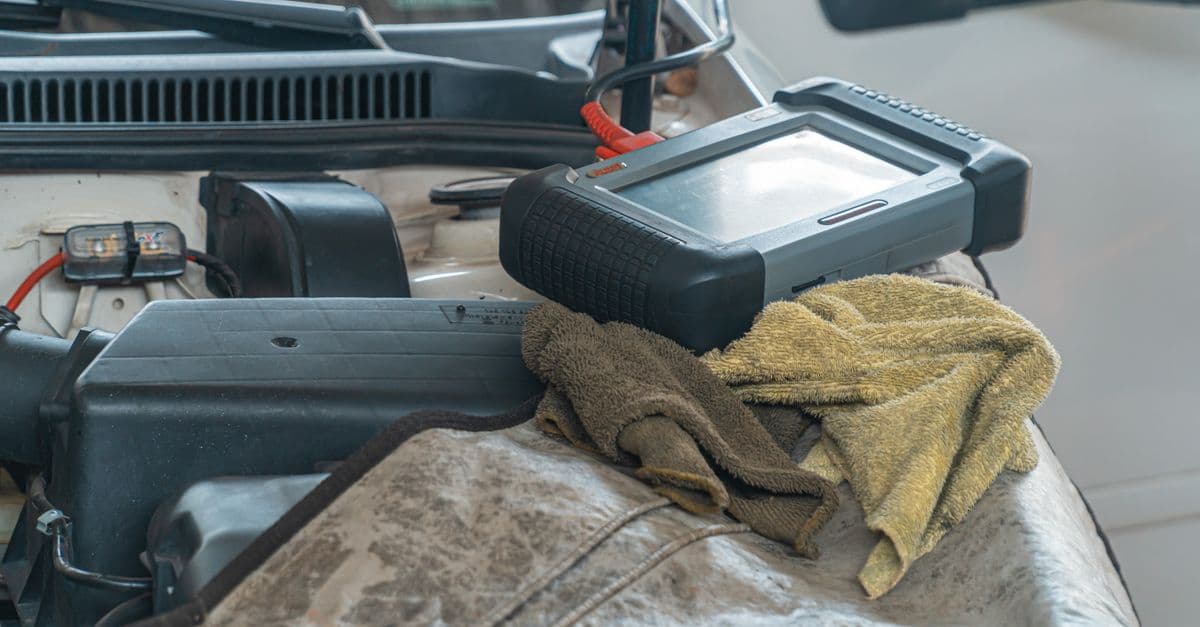
You can decode SAE J2012 standard CAN diagnostic trouble codes (P, B, C, and U codes) with manufacturer-specific extensions, analyze multi-frame fault sequences and temporal patterns across multiple modules, and generate structured diagnostic hypotheses that differentiate between electrical, communication, and algorithmic failures. This skill transforms raw DTC data into actionable investigation vectors, reducing diagnostic analysis cycles from hours to minutes while improving root cause accuracy.
You can transform raw accelerometer data, sound pressure measurements, and frequency spectra into structured diagnostic insights. Claude helps you organize test data, interpret Campbell diagrams and waterfall plots, quantify source contributions through transfer path analysis, and correlate physical measurements with customer complaints. This systematic approach replaces intuitive troubleshooting with hypothesis-driven test plans and targeted solutions.