

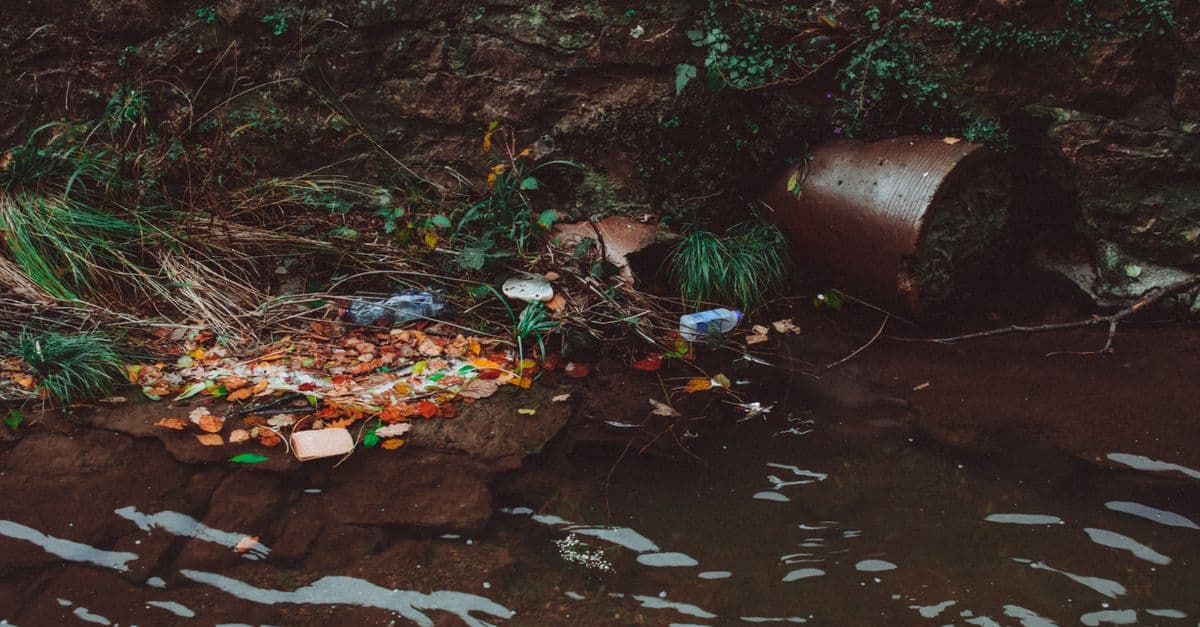
Ecotoxicity Hazard Assessment Framework
Assess chemical ecotoxic hazards using structured protocols and species sensitivity data
 by skillslibEnvironmental & SustainabilityEnvironmental ScienceToxicologist (Environmental)Ecotoxicology
What You Can Do
You can conduct comprehensive ecotoxicity hazard assessments that integrate acute and chronic toxicity data, species sensitivity distributions, bioaccumulation potential, and environmental persistence into defensible risk characterization documents. The framework guides you through the full assessment pipeline—from data compilation and critical study evaluation through hazard classification, reference value derivation, and uncertainty quantification—while meeting ECHA REACH guidelines, EPA protocols, and international ecotoxicity standards.
Features
derive hazardous concentration values (HC5) with confidence intervals for multiple aquatic and terrestrial species
calculate Predicted No-Effect Concentrations for freshwater, marine, soil, and sediment compartments with assessment factors
evaluate persistence, bioaccumulation, and environmental mobility using REACH-compliant protocols
assign Acute/Chronic aquatic toxicity categories (1, 2, 3) under CLP regulation based on empirical data
assess study quality, reliability, and relevance using Klimisch scoring and OECD guideline compliance
document and propagate assessment factor justifications, data gaps, and conservative assumptions
structure findings into ECHA dossier sections, EIA annexes, and EPA submission formats
Example Output
Example 1: Freshwater PNEC Derivation
Input: Acute LC50 data from Daphnia (0.5 mg/L), chronic NOEC from fish (0.08 mg/L), algae ErC50 (1.2 mg/L)
Output:
- Lowest chronic NOEC: 0.08 mg/L (fish 21-day study)
- Assessment factor: 10 (limited chronic data, one species class)
- PNEC freshwater: 0.008 mg/L
- Hazard classification: Acute Category 1 (LC50 ≤ 1 mg/L)
Example 2: Soil Hazard Assessment
Input: Earthworm LC50 (45 mg/kg dw), Collembola NOEC (12 mg/kg dw), plant germination EC50 (180 mg/kg dw)
Output:
- Species Sensitivity Distribution HC5: 8.3 mg/kg dw
- PNEC soil: 0.83 mg/kg dw (assessment factor 10)
- Chronic aquatic hazard: Category 2 (H411)
- Data gap: Avian dietary toxicity study recommended
Example 3: Environmental Fate Summary
Input: log Kow 3.2, DT50 soil 45 days, BCF fish 280
Output:
- Persistence: Not persistent (DT50 <120 days)
- Bioaccumulation: Potential bioaccumulator (BCF 100–2500)
- Mobility: Mobile in soil (log Kow 3–4 range)
- Environmental concern: Moderate risk in aquatic systems with limited soil accumulation
What's Included
- SKILL.md: Complete ecotoxicity assessment protocol with decision trees for data evaluation and hazard classification
- Species Sensitivity Distribution (SSD) Template: Structured worksheet for compiling toxicity data, calculating HC5, and documenting assessment factors
- PNEC Derivation Checklist: Step-by-step guidance for selecting appropriate NOECs/LOECs, applying assessment factors, and documenting uncertainty
- Hazard Classification Matrix: Quick-reference table for CLP acute/chronic aquatic toxicity categories based on empirical thresholds
- Environmental Fate Assessment Framework: Evaluation protocol for persistence, bioaccumulation, mobility with regulatory interpretation guidance
Who It's For
- Environmental toxicologists and ecotoxicologists evaluating chemical hazards for regulatory compliance
- REACH Competent Body assessors and chemical manufacturers preparing substance dossiers
- Environmental consultants conducting Environmental Impact Assessments (EIA) for industrial projects
- Pesticide and pharmaceutical developers supporting ecotoxicity data packages
- Contaminated site remediation specialists assessing ecological risk from legacy chemicals
Best For
- New chemical substance ecotoxicity assessments under REACH Annex VIII/IX
- Deriving Predicted No-Effect Concentrations (PNEC) for freshwater, marine, and soil compartments
- Evaluating hazard classification under CLP regulation (Aquatic Toxicity categories)
- Retrospective analysis of contaminated site or field ecotoxicity data
- Comparative ecotoxicity assessments for chemical alternatives or formulation optimization
You might also like

You can design culturally appropriate survey instruments tailored to international development contexts, analyze mixed-methods data by integrating quantitative findings with qualitative insights, and implement robust data quality management systems for your field operations. Claude helps you create survey templates with adaptive logic, develop validation protocols, and produce data quality reports that highlight issues before analysis begins.
by skillslib
You can optimize Databricks SQL queries for performance, debug pipeline failures with root-cause analysis, and recommend cluster configurations. Claude analyzes execution plans, identifies bottlenecks, and provides concrete refactoring suggestions to reduce query runtime and lower infrastructure costs.
by skillslib
You can diagnose warehouse bottlenecks using structured data analysis, then generate optimized layouts and flow improvements. The skill models space utilization, labor deployment, and throughput constraints to identify quick wins and long-term improvements, delivering quantified cost savings and performance gains for your specific facility.
by skillslib
You can systematically code qualitative data against your evaluation framework, surface patterns and themes across multiple responses, extract compelling impact stories with supporting evidence, and generate summary matrices that link narrative findings to your outcomes claims. This skill maintains analytical rigor while reducing the 40-60 hours typically spent manually reviewing transcripts and open-ended survey responses per evaluation cycle.
by skillslib
Get complete, ready-to-deploy lead magnets tailored to your ideal customer profile. Claude designs the concept, writes the persuasive copy, builds the email sequences, and creates deployment strategies that attract qualified prospects and build engaged lists fast. You'll capture 3-5x more subscribers with magnetic offers that actually resonate.
by skillslib
Get expert guidance on electromagnetic principles, perform field calculations, analyze electromagnetic circuits, and solve complex EM engineering challenges. This skill helps you work through Maxwell's equations, design electromagnetic systems, calculate field distributions, and understand wave propagation in various media.
by skillslib
You can convert raw discovery call notes into polished, multi-section sales proposals that include executive summaries tailored to buyer personas, needs analysis mapped to your solution architecture, tiered pricing options with competitive positioning, ROI projections with financial justification, and realistic implementation timelines. The skill preserves personalization and strategic positioning while automating structural components, letting you respond to RFPs and time-sensitive opportunities without sacrificing quality or consistency.
by skillslib
Turn project descriptions, timelines, and structured data into professional draw.io diagrams instantly. You can generate flowcharts, org charts, Gantt charts, swimlane diagrams, and process flows by describing what you need. Claude creates draw.io XML that you can open directly in the editor or modify further.
by skillslib