


Emergency Veterinary Critical Care Assistant
Rapid triage and critical care protocols for emergency veterinary medicine
What You Can Do
Get immediate case assessment and triage protocols for emergency veterinary patients. You receive rapid prioritization guidance, critical care decision trees, and evidence-based protocols for common life-threatening conditions. This skill helps you make informed decisions under time pressure by providing structured assessment frameworks and treatment recommendations.
Features
Generate standardized triage scores (ARDS, SIRS, shock classifications) from clinical presentations to quickly prioritize patients by severity.
Access emergency treatment protocols for sepsis, respiratory distress, hemorrhagic shock, toxicology, and trauma including drug dosing and monitoring parameters.
Follow branching diagnostic and therapeutic decision pathways based on patient signs, allowing you to explore differential diagnoses systematically.
Receive accurate bolus volumes, infusion rates, and drug dosages with weight-based calculations for emergency medications and fluid resuscitation.
Get structured checklists for vital sign monitoring, lab monitoring, and response assessment to track patient progress during critical care.
Learn to identify common complications during critical care (iatrogenic, medication-related) with early warning signs and management strategies.
Receive references to current guidelines (RECOVER, AAHA) and published protocols so you can deepen your clinical reasoning.
Example Output
Case Example: Canine Hemorrhagic Shock
Input: 5kg terrier, pale mucous membranes, weak pulses, HR 140, RR 25, recent trauma
Output:
- Triage: CRITICAL (compensated shock)
- Immediate actions: Secure IV access (2 catheters), initiate fluid bolus (50 mL/kg crystalloid over 15 min)
- Monitoring: HR, MAP, lactate clearance every 15 min for first hour
- Complication watch: Fluid overload, hyperkalemia (if ruptured bladder)
Case Example: Feline Respiratory Distress
Input: 3-year-old cat, open-mouth breathing, pink-tinged foam, HR 160, RR 40+
Output:
- Suspected: Pulmonary edema (cardiogenic vs non-cardiogenic)
- Immediate: Oxygen by flow-by or chamber, minimize handling
- Diagnostics: Quick thoracic ultrasound, natriuretic peptides if available
- Treatment if cardiogenic: Furosemide IV bolus, nitroglycerin patch, oxygen
- Recheck: Respiratory rate and effort every 30 minutes
What's Included
- Triage Frameworks: Standardized triage scores and severity classification systems for rapid patient prioritization.
- Treatment Protocols: Step-by-step critical care protocols for shock, respiratory distress, toxicology, trauma, and other emergencies.
- Drug and Fluid Dosing Library: Weight-based calculations and dosing recommendations for common emergency medications and fluid types.
- Diagnostic Decision Support: Branching decision trees to help narrow differential diagnoses based on clinical signs and diagnostics.
- Monitoring Templates: Checklists and parameters to track during critical care, including frequency and thresholds for intervention.
Who It's For
- Emergency Veterinarians
- Critical Care Specialists
- Emergency Clinic Technicians
- General Practice Veterinarians (handling emergencies)
Best For
- Acute triage decisions in emergency settings
- Treatment protocol selection for critical patients
- Drug dosing and fluid resuscitation calculations
- Diagnostic reasoning for undifferentiated emergency presentations
You might also like
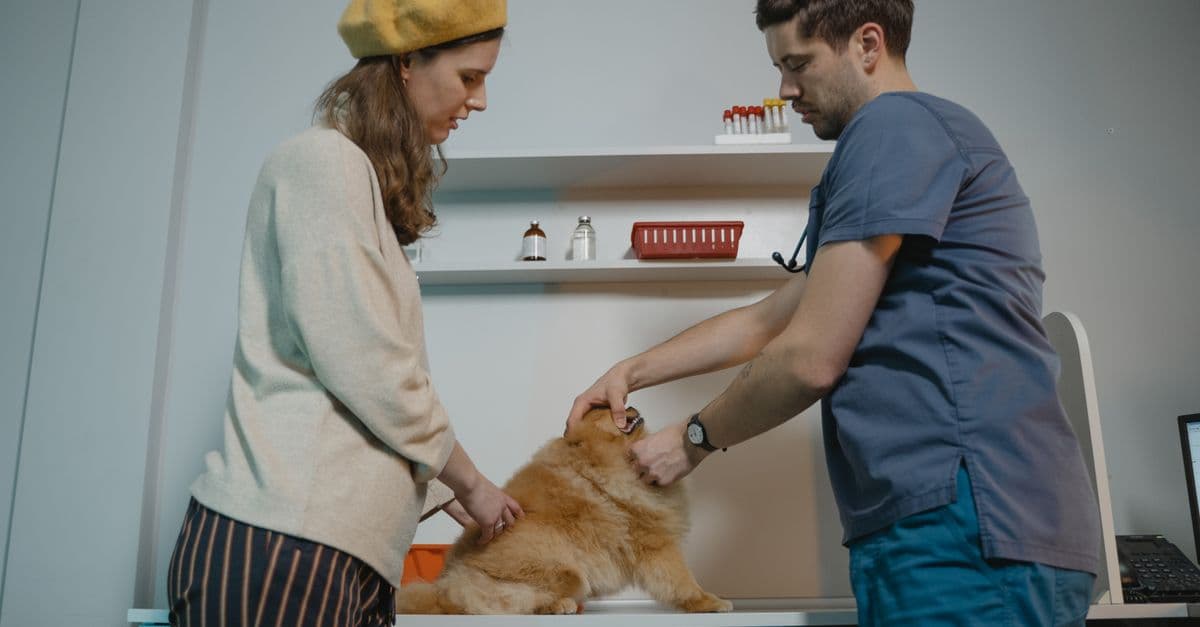
You can audit and standardize operations, compliance protocols, and team performance across all your veterinary clinic locations simultaneously. This skill helps you create consistent Standard Operating Procedures (SOPs), track compliance metrics, benchmark staff performance, and identify operational bottlenecks across your multi-location practice. You'll gain visibility into financial performance, inventory management, and quality metrics across all clinics, enabling data-driven decisions that improve profitability and patient care consistency.
 by russell-cell

This skill consolidates inventory, staff scheduling, financials, and compliance data from all your veterinary clinic locations into unified dashboards and reports. You get real-time visibility into stock levels, staffing efficiency, revenue trends, and regulatory compliance across the entire practice. Generate action plans that prioritize the highest-impact improvements across all locations.
by russell-cell
Generate customized standard operating procedures (SOPs) that address your specific practice workflows, staffing levels, and patient care standards. You'll receive polished, implementable protocols for everything from patient intake to emergency procedures that your entire team can follow consistently. These SOPs reduce errors, improve client satisfaction, and establish scalable systems as your practice grows.
by russell-cell
This skill automates emergency veterinary patient assessment by structuring vital signs evaluation, injury severity classification, and treatment prioritization. You get immediate clinical guidance for differential diagnosis, stabilization protocols, and medication recommendations tailored to each patient's presentation. It standardizes triage outcomes across your team and reduces decision lag during the critical first minutes when patients need rapid intervention.
by russell-cell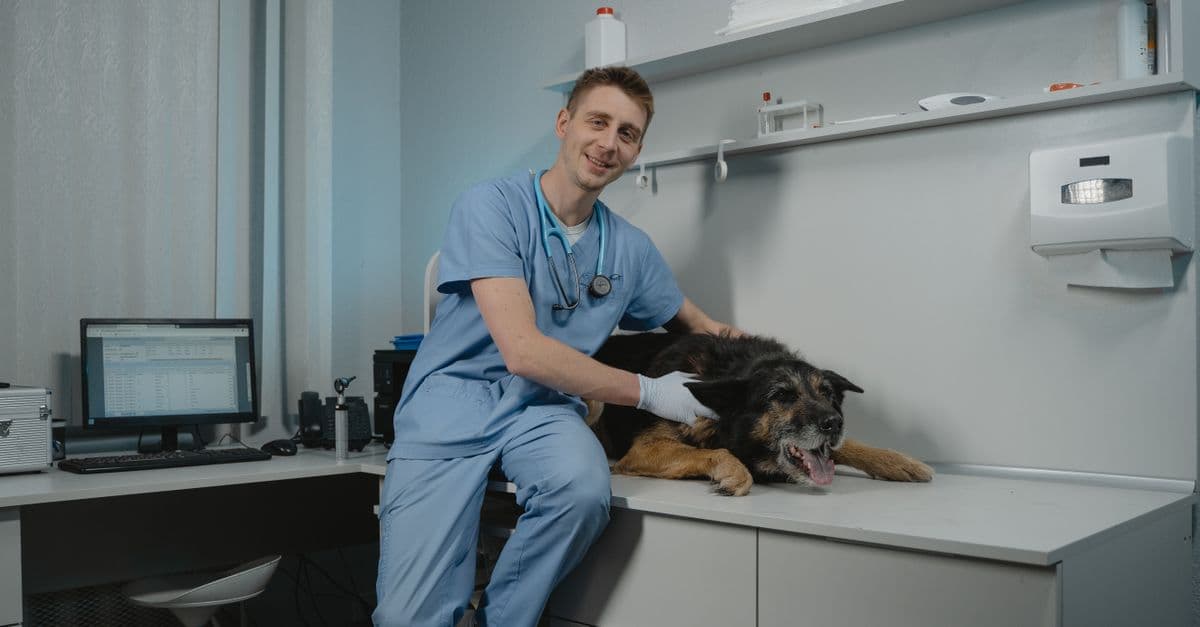
You can submit complex dermatology cases with clinical findings, diagnostic test results, and medical history to receive comprehensive differential diagnoses ranked by likelihood. The skill generates detailed treatment protocols with drug selection, dosing regimens, and monitoring recommendations. You also get customizable client-facing educational materials explaining conditions and treatment approaches in accessible language.
by russell-cell
You can streamline emergency hospital operations by managing case prioritization, allocating veterinary staff and equipment efficiently, and optimizing resource deployment during high-volume periods. The skill helps you identify bottlenecks, forecast capacity needs, and adjust workflows in real time to improve patient outcomes and staff efficiency.
by russell-cell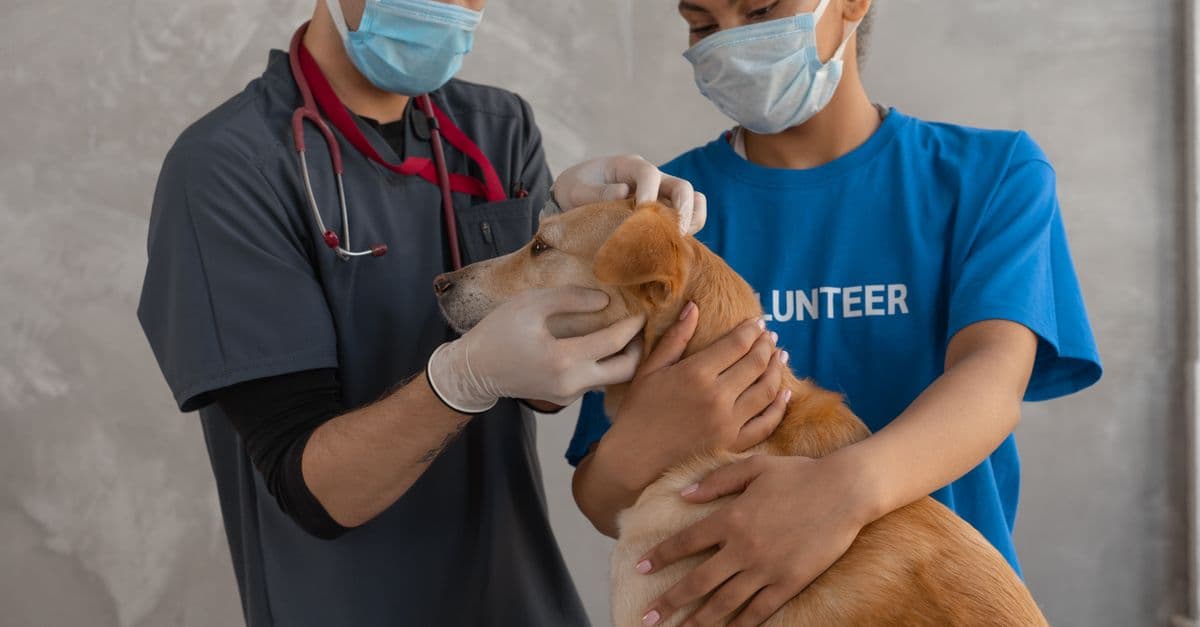
Generate systematic diagnostic workflows that organize clinical findings, build evidence-weighted differential diagnosis lists, and produce comprehensive case documentation. You provide structured guidance on differential diagnosis development, clinical reasoning frameworks, and test prioritization based on presenting signs and patient history. This skill helps you move from initial presentation through systematic problem-solving to actionable clinical decision-making.
by russell-cell
Prepare surgical cases by analyzing patient data, risk factors, and anatomical considerations to generate customized approach plans and procedural checklists. You receive a structured surgical strategy that includes approach options, complication contingencies, and post-operative protocols, reducing case preparation time and improving team coordination.
by russell-cell