


Hydrometallurgical Process Optimization & Troubleshooting
Optimize hydrometallurgical processes through thermodynamic and kinetic analysis
What You Can Do
You can design rigorous leaching experiments, model extraction kinetics, and troubleshoot performance issues using fundamental chemistry principles. This skill helps you analyze extraction data, calculate optimal operating parameters (temperature, pH, lixiviant concentration), and predict process behavior at different scales—all grounded in thermodynamic feasibility and kinetic reasoning to maximize recovery while minimizing costs.
Features
Create scientifically-grounded batch and continuous leaching protocols specifying temperature, pressure, agitation, solid-to-liquid ratios, residence times, and oxygen supply based on ore mineralogy and target metals.
Analyze extraction curves using shrinking-core and diffusion models to determine rate-limiting steps, extract rate constants, and predict performance at different scales and conditions.
Calculate solubility equilibria, oxidation-reduction potentials, Gibbs free energy changes, and complex ion stability to verify process viability and identify optimal lixiviant chemistries.
Systematically evaluate temperature, pH, oxygen concentration, lixiviant strength, and residence time to maximize metal recovery while minimizing reagent consumption and operating costs.
Diagnose root causes of low extraction efficiency, slow kinetics, or unexpected outcomes by analyzing solution chemistry, ore composition changes, and process variable interactions.
Compare extraction options (sulfuric acid, ammonia, thiosulfate, chloride) for specific ore types, weighing efficiency against selectivity, environmental impact, and cost.
Translate lab-scale results to pilot and production scales, accounting for mass transfer limitations, heat transfer bottlenecks, and mixing efficiency changes at larger volumes.
Estimate capital equipment costs, operating expenses, cost per unit of recovered metal, and identify highest-impact cost-reduction opportunities.
Example Output
Leaching Protocol Example:
- Conditions: 75°C, pH 1.5, 2.8 M H₂SO₄, 3.5 h residence time, 3:1 liquid-to-solid ratio
- Predicted Cu recovery: 91% based on shrinking-core kinetics with D_eff = 1.1 × 10⁻⁷ cm²/s
- Equipment: 5 L jacketed reactor, magnetic stirring at 400 rpm, O₂ sparger at 0.5 L/min
Troubleshooting Example: Problem: Cu extraction dropped from 86% to 58% after ore supplier change. Root cause analysis identified 8% pyrite content (vs. 2% previously), consuming acid without producing Cu²⁺. Solution: Lower pH to 0.9, add 0.15 M FeCl₃ as oxidant, increase aeration to 0.8 L/min → recovery restored to 84%.
Economic Optimization Example: Current: 78% extraction at $4.20/kg Cu recovered. Optimized (temperature +6°C, pH -0.4): 86% extraction at $3.75/kg Cu recovered → $42,000 annual savings on 100 t production.
What's Included
- Experimental Protocol Framework: Structured templates for documenting ore composition, lixiviant selection, target recovery, equipment specs, and success criteria for systematic experimental campaigns.
- Kinetics Workbook & Curve Fitting: Step-by-step guidance for fitting extraction data to zero-order, first-order, and shrinking-core models; extracting rate constants; and forecasting performance.
- Thermodynamic Reference Guide: Equilibrium calculation methods, Pourbaix diagram interpretation, and complex formation constant lookups for common hydrometallurgical systems.
- Troubleshooting Decision Tree: Systematic diagnostic flowchart for identifying root causes: ore mineralogy variations, solution chemistry imbalances, temperature/mixing defects, or equipment issues.
- Parameter Optimization Worksheet: Design of Experiments templates and response surface methodology guidance for exploring temperature, pH, and concentration interactions.
- Scale-Up & Cost Calculator: Methodology for extrapolating lab results to production scale, estimating capital costs, operating expenses, and profitability forecasts.
Who It's For
- Hydrometallurgists and Process Engineers
- Mining and Mineral Processing Professionals
- Materials Scientists and Researchers
- Chemical and Metallurgical Engineers
- Environmental and Sustainability Specialists
Best For
- Designing and optimizing new leaching processes
- Troubleshooting underperforming extraction operations
- Evaluating alternative ores, lixiviants, and chemistries
- Scaling lab experiments to pilot and production
- Estimating economic viability and profitability
You might also like

Catch miscategorized transactions, validate account mappings, and identify posting errors before financial reconciliation. You can scan transaction batches, flag suspicious activity, and receive detailed audit reports with correction recommendations. This helps you prevent costly accounting errors and accelerate your monthly or quarterly close process.
 by megalithic

This skill helps you diagnose leaching failures, optimize metal recovery rates, and reduce operational costs in hydrometallurgical circuits. You can analyze process data to identify bottlenecks in leaching, precipitation, and solvent extraction; calculate optimal pH, temperature, and reagent parameters; and generate data-driven recommendations for improving throughput and product purity.
by megalithic
You synthesize Bloomberg Terminal data—metrics, valuations, fundamentals, and peer comparisons—into professional institutional equity research reports and investment theses. This skill structures raw Bloomberg output into narrative-driven research with valuation analysis, risk assessments, and actionable investment recommendations that institutional teams can use for portfolio decisions.
by megalithic
You can structure end-to-end SAP data migration planning by generating comprehensive readiness checklists, data quality validation rules, and risk assessments. This skill creates detailed migration strategies that identify data gaps, compliance risks, and cutover dependencies—helping you mitigate costly migration failures before they happen.
by megalithic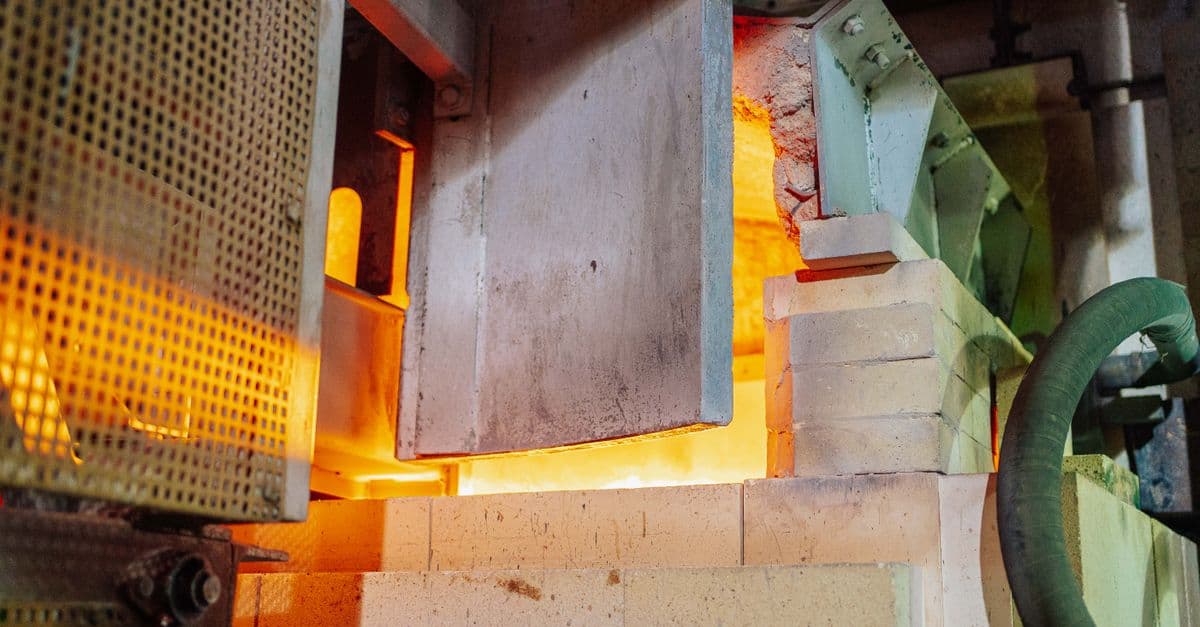
You get an expert troubleshooter for your high-temperature metal processing operations. Submit your furnace parameters, process metrics, and observations—receive root-cause analysis, quantified optimization recommendations, and predictive maintenance guidance. Reduce yield loss, cut energy consumption, and extend equipment life while maintaining product quality and regulatory compliance.
by megalithic
You pull company financials, market data, and deal metrics from Capital IQ, then synthesize them into compelling investment theses. The skill helps you identify competitive advantages, financial trends, and growth catalysts while structuring your analysis using professional frameworks. You'll transform raw data into actionable investment insights with built-in validation and risk assessment.
by megalithic
You can automatically validate journal entries for accounting rules compliance, detect errors before posting to QuickBooks, and generate standardized narratives for audit trails. Process multiple entries in batches, verify account codes and debit/credit balances, and export formatted entries ready for QuickBooks import—all while flagging duplicate or suspicious entries for review.
by megalithic
Analyze your complete FreshBooks financial data to identify cash flow bottlenecks, automatically classify expenses for tax deductions, reconcile accounts against bank statements, and uncover billing optimization opportunities. This skill transforms raw transaction data into actionable financial insights and generates audit-ready reconciliation reports.
by megalithic