

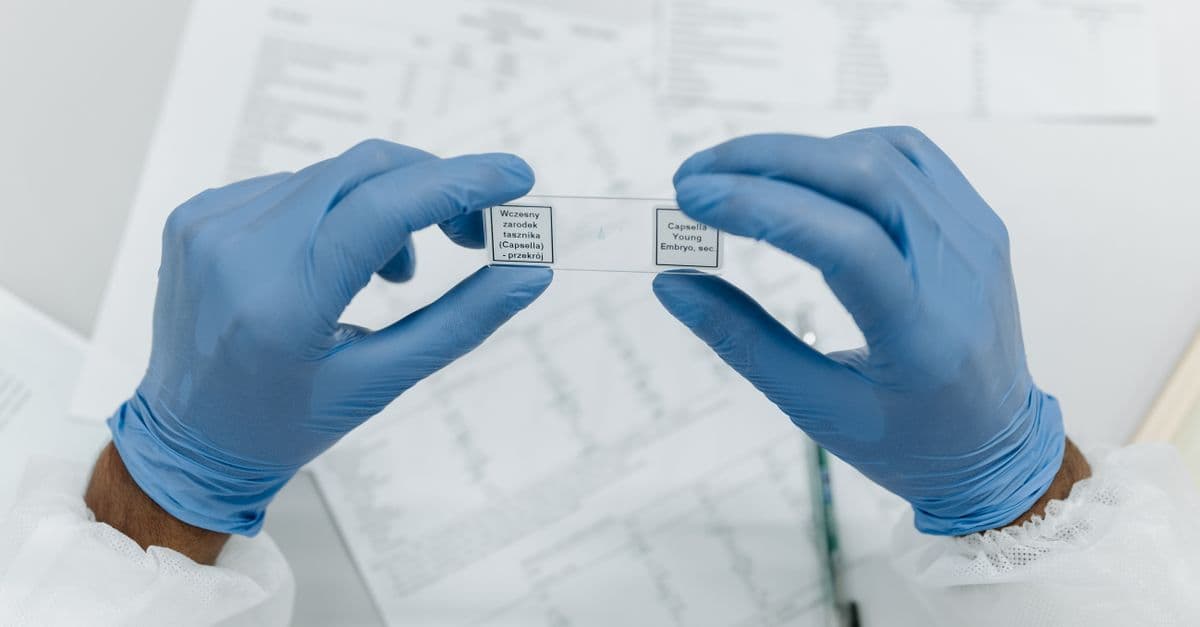
DNA Evidence Analysis & Courtroom-Ready Report Generation
Analyze DNA evidence and generate defensible expert reports meeting SWGDAM and Daubert standards
What You Can Do
You can analyze complex DNA evidence from crime scenes, evaluate mixture profiles with multiple contributors, compare reference samples to casework profiles, and generate expert reports that clearly separate data, analysis, and conclusions. This skill helps you identify interpretive challenges before they become courtroom vulnerabilities and prepares you for depositions or trial testimony by ensuring your methodology and limitations are thoroughly documented.
Features
systematize analysis of unknown profiles, mixtures, and degraded samples within forensic context
verify your analysis meets Scientific Working Group on DNA Analysis Methods standards before finalization
ensure conclusions withstand legal scrutiny on methodology, reliability, and expert qualification
create complete evidence tracking records that demonstrate sample integrity from collection through analysis
identify vulnerable interpretations and limitations before opposing counsel raises them in court
evaluate cold hits and investigative leads with proper statistical context and kinship considerations
handle multi-contributor profiles by systematically evaluating allele ratios, stochastic effects, and alternative hypotheses
generate structured reports that separate raw data, analytical processes, and conclusions for judicial review
Example Output
Example 1: Single-Source Profile Report Summary
- Sample: Bloodstain from victim's jacket
- Profile Match: Matches reference sample from Suspect A at 15 loci
- Statistical Result: RMP = 1 in 12.4 billion
- Limitations: One allele showed possible degradation; retesting recommended
- Conclusion: Results are consistent with Suspect A as source
Example 2: Mixture Profile Analysis
- Sample: DNA from rape kit evidence
- Profile: 2-3 possible contributors identified
- Major/Minor Ratio: Approximately 75/25 split
- Interpretation: Victim as major contributor, at least one unknown minor contributor
- CODIS Hit: Minor profile matches cold case from 2018
- Conclusion: Results support victim contribution and potential linkage to prior unsolved case
Example 3: Daubert-Ready Cross-Examination Notes
- Methodology Used: Validated STR analysis per lab SOP #2024-01
- Error Rate Documentation: False inclusion rate < 0.1% per proficiency testing
- Known Limitations: Partial profile with 12/15 loci; kinship cannot be excluded
- Alternative Explanations Addressed: DNA transfer via secondary contact ruled out by location analysis
What's Included
- SKILL.md instruction file with systematic analysis framework:
- DNA Interpretation Worksheet: case-by-case analysis template for unknown profiles, mixtures, and comparisons
- Chain of Custody Documentation Checklist: complete evidence tracking from collection through analysis
- SWGDAM Compliance Verification Checklist: quality assurance steps for standards adherence
- Daubert Cross-Examination Preparation Guide: methodology defensibility and limitation documentation
- Expert Report Template: structured report format separating data, analysis, and conclusions
- CODIS Hit Evaluation Framework: statistical context and kinship assessment for cold matches
Who It's For
- Forensic DNA analysts and laboratory directors preparing cases for litigation
- Medical examiners and coroners evaluating DNA evidence in death investigations
- Law enforcement investigators presenting DNA findings to prosecutors
- Expert witnesses preparing testimony on DNA methodology and limitations
- Defense counsel reviewing DNA evidence for technical challenges and expert qualification
Best For
- Analyzing unknown or partially degraded DNA profiles from crime scenes
- Interpreting complex multi-contributor mixture profiles
- Evaluating CODIS cold hits and building investigative leads
- Preparing expert reports and affidavits for judicial review
- Documenting limitations and preparing for adversarial cross-examination
You might also like

You can rapidly analyze disparate incident intelligence—surveillance observations, suspect history, behavioral indicators, and site conditions—to produce comprehensive risk profiles that guide tactical decision-making. The skill generates operationally prescriptive assessments that clearly identify threat level, required assets, officer safety considerations, and contingency planning, helping you determine whether standard patrol or tactical units should handle apprehension, and ensuring warrant service and containment operations are informed by documented threat justification.
 by geemal2004
You can orchestrate recovery operations spanning months or years by coordinating multiple agencies, tracking resource deployment, and assessing evolving community needs. Claude helps you document recovery priorities, identify unmet needs by sector (housing, debris, utilities, mental health), and generate compliance-ready status reports that keep FEMA, state emergency managers, and elected officials informed. This skill bridges the gap between emergency response and sustained recovery by managing complexity across jurisdictions without losing sight of individual survivor needs.
by geemal2004
This skill systematically validates chain-of-custody records for digital forensic evidence against federal, state, and local legal standards. You input your CoC documentation and the skill identifies gaps, inconsistencies, and procedural violations that could compromise evidence admissibility, then generates defensible narratives explaining how evidence remained uncontaminated throughout collection, storage, and analysis.
by geemal2004
You can create defensible chain-of-custody documentation that proves digital evidence remained unchanged and legally handled from acquisition through court presentation. This skill guides you through systematic logging of every custody transfer, access event, storage condition, and handler—building an unbroken narrative that satisfies legal standards and withstands adversarial scrutiny. By using structured protocols and Claude verification, you eliminate documentation gaps that could render evidence inadmissible.
by geemal2004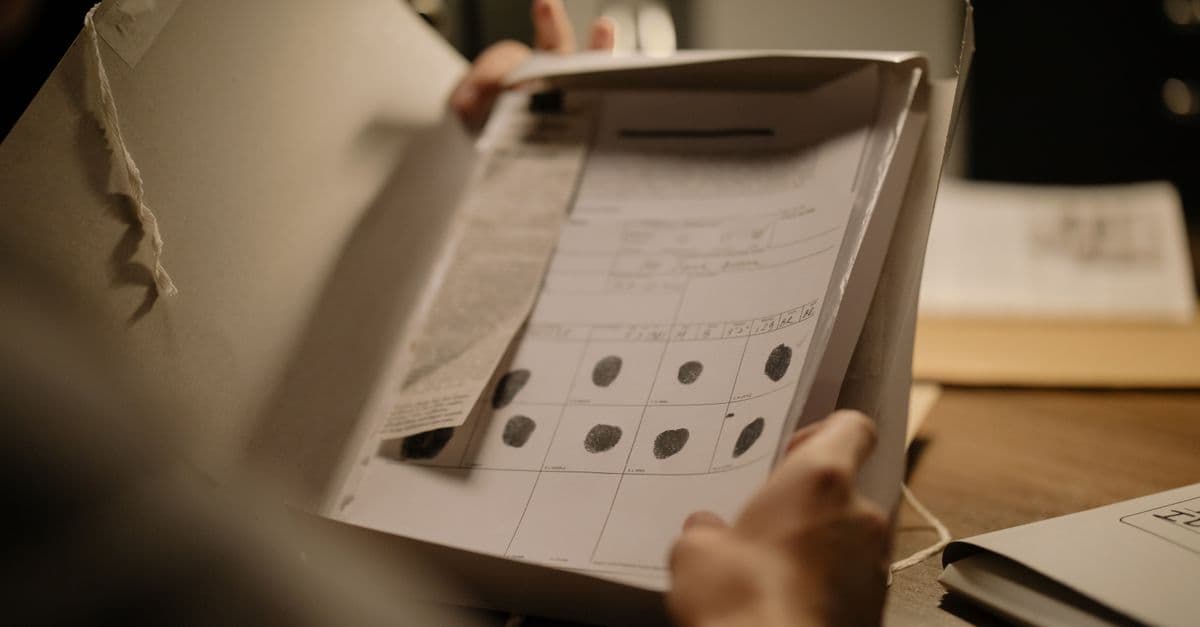
You can organize complex trace evidence cases from evidence intake through expert report generation. The framework guides you through meticulous documentation, comparative microscopy protocols, interpretation of transfer mechanisms, statistical significance assessment, and preparation of expert testimony materials. This ensures your findings are scientifically defensible and properly contextualized for criminal proceedings.
by geemal2004
You can rapidly process incident information from multiple responding agencies to generate coherent situational pictures, stress-test response decisions before implementation, identify resource conflicts across jurisdictions, and create actionable briefing materials for incident commanders. The skill structures chaotic, time-pressured decision-making into organized intelligence while maintaining audit trails for post-incident review and compliance with ICS framework requirements.
by geemal2004
You can upload building plans and specifications, then receive a structured analysis that identifies compliance gaps against applicable fire codes. Claude evaluates egress requirements, fire-rated assemblies, sprinkler systems, hazardous materials storage, and exit pathways—then generates professional corrective action letters ready for permit applicants and Fire Marshal documentation.
by geemal2004
You can organize and analyze complex fire investigation data including physical evidence, witness testimony, environmental conditions, and building systems information to identify fire origin and probable cause. Claude helps you cross-reference evidence against NFPA 921 guidelines, synthesize large documentation volumes, and build defensible timelines—all while you maintain investigator authority and scene expertise. The skill supports both administrative findings and legal proceedings with methodical documentation.
by geemal2004