

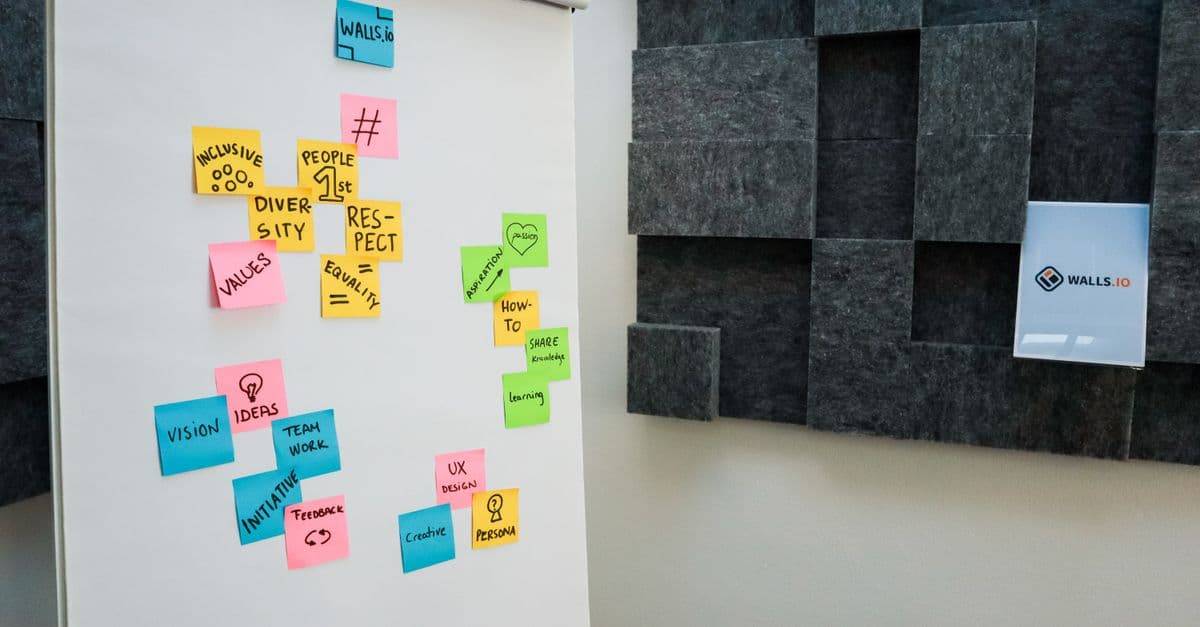
Design Culture Assessment & Intervention Framework
Assess & improve design team culture with psychological safety metrics and interventions
What You Can Do
You can diagnose culture problems in your design organization using design-specific assessment protocols that measure psychological safety in critique sessions, ownership clarity in design decisions, and creative autonomy within business constraints. This framework moves beyond intuition-based assessments to provide data-driven insights into team dysfunction patterns, then prescribes targeted interventions calibrated to your specific culture challenges—whether that's elevated design review friction, silent attrition, reduced collaboration quality, or silos between design and other functions.
Features
Measure safety in design critique, feedback delivery, and risk-taking through design-specific questions and scoring methodology
Collect and analyze team feedback while maintaining anonymity to surface honest culture perceptions without social desirability bias
Identify root causes from a menu of 8-10 common design team culture problems (autonomy issues, unclear ownership, critique toxicity, etc.)
Generate targeted, sequenced interventions matched to your specific dysfunction patterns, not generic team-building advice
Quantify flight risk by designer level and role to prioritize retention actions for high-impact team members
Create repeatable assessment benchmarks so you can measure culture improvement over time across quarters
Convert culture insights into executive-ready dashboards and talking points for securing design org investment
Example Output
Psychological Safety Score Breakdown:
- Design critique safety: 6.2/10 (below threshold)
- Feedback receptiveness: 7.1/10 (adequate)
- Autonomy to experiment: 5.8/10 (critical issue)
- Belonging & inclusion: 7.4/10 (strong)
Key Dysfunction Pattern Identified: Autonomy Scarcity + Critique Toxicity (correlated)
Recommended Intervention Sequence:
- Redesign critique format (Week 1-2): Move to "principles-first" feedback method to reduce personal criticism
- Autonomy expansion (Week 3-4): Establish design decision ownership matrix by project/role
- Manager coaching (Ongoing): Equip design leads with psychological safety leadership behaviors
- Monitor: Re-assess safety scores in 6 weeks
Retention Risk Assessment: 2 senior designers flagged as flight risks; 3 mid-level designers showing disengagement signals
What's Included
- SKILL.md instruction file with complete assessment framework and methodology:
- Culture Assessment Survey Template: 25-question anonymous survey with scoring rubric, customizable for your team size
- Dysfunction Pattern Reference Guide: 10 common design culture problems with diagnostic questions and intervention playbooks
- Anonymous Feedback Synthesis Worksheet: Process for consolidating open-ended feedback while maintaining anonymity
- Intervention Planning Canvas: Sequencing template to prioritize and schedule culture interventions by urgency and impact
- Culture Baseline Scorecard: Quarterly tracking template to measure culture improvements and regression indicators
- Executive Communication Template: One-page culture insights brief and investment case for design org leadership
Who It's For
- Design Operations Managers — Own design team health and need systematic culture assessment tools
- Design Directors/Heads of Design — Managing culture during org restructuring or scaling challenges
- Design Leaders in Transition — New to role and need baseline team health before making changes
- Design Strategists — Supporting design org maturity and retention initiatives
- Design Program Managers — Implementing new processes or systems requiring team buy-in
Best For
- Diagnosing why design team members are leaving or disengaging
- Measuring psychological safety before and after design critique/feedback process changes
- Identifying collaboration gaps between design and engineering/product functions
- Building data-driven business cases for design org investment to leadership
- Planning targeted retention and culture improvement interventions for design teams
- Creating repeatable culture assessment benchmarks across multiple quarters or design pods
You might also like
You can rapidly build responsive, production-ready UI designs using Tailwind's utility-first approach. Apply low-level utility classes directly to HTML elements to create custom designs without writing CSS, implement mobile-first responsive layouts, add dark mode and theme customization, and generate optimized CSS bundles through build-time processing that includes only the classes you actually use.
 by calesthio

You can diagnose why layouts break at specific breakpoints and receive precise CSS fixes to resolve them. The skill identifies root causes of overflow problems, flex/grid misalignment, and mobile usability failures, then provides responsive design patterns to prevent similar issues from recurring across your entire project.
by calesthio
You can systematically design reusable responsive grid systems, establish spacing scales and breakpoint strategies, and document component layout behaviors for seamless developer handoff. This skill generates technical layout specifications that reduce design-to-development friction and ensure accessibility compliance from the design phase, enabling teams to build consistent, scalable web interfaces across all devices.
by calesthio
You can generate detailed interaction specifications for complex user flows and component behaviors that eliminate ambiguity in handoff. The skill produces structured documentation including state diagrams, transition tables, animation timing, keyboard navigation patterns, error handling workflows, and accessibility requirements—all formatted for both designers and developers to reference.
by calesthio
You can systematically evaluate your design system's health using structured frameworks that assess component consistency, design token usage, documentation completeness, and developer adoption. The skill generates prioritized gap analysis reports that quantify issues—like duplicate components, token sprawl, or implementation friction—and translates findings into executive-ready roadmaps with business cases for remediation. You'll move beyond subjective design assessments to data-backed improvement strategies.
by calesthio
You can consolidate mixed usability research data—behavioral notes, task completion rates, error logs, participant quotes, and video timestamps—into a unified issue framework with severity classifications, root cause analysis, and remediation recommendations. This skill creates hierarchical issue inventories that communicate findings to stakeholders with clarity, establishing shared language around problem severity and impact across cross-functional teams.
by calesthio
You can generate customized interview frameworks that assess design ops candidates against specific competencies aligned with your team's maturity and challenges. The skill produces behavioral interview questions, technical scenario assessments, and scoring rubrics that help interview panels evaluate candidates objectively across process optimization, metrics thinking, tool knowledge, and organizational influence—moving beyond portfolio review to predict job-ready performance.
by calesthio
You'll conduct structured culture audits that go beyond surface-level observations to identify root causes of dysfunction in design teams. Using organizational psychology research, you can analyze team feedback patterns, map collaboration barriers across disciplines, and design targeted interventions that address psychological safety gaps, siloed workflows, and retention risks. Claude helps you transform culture diagnostics into measurable improvement plans tied to specific team performance outcomes.
by calesthio