


Transit-Oriented Development Site Analysis
Evaluate transit-oriented development sites using structured analysis workflows
What You Can Do
You can rapidly evaluate sites for transit-oriented development potential by analyzing connectivity to transit infrastructure, regulatory zoning compliance, market conditions, and design opportunities. The skill generates comprehensive site assessment reports that synthesize accessibility data, constraint identification, and actionable development strategies—reducing redesign cycles and accelerating approval timelines for mixed-use infill and transit-adjacent projects.
Features
Quantify proximity, service frequency, and modal integration to prioritize highest-impact locations
Map regulatory constraints, identify variance opportunities, and outline pathways to approval
Recommend ground-floor retail, residential unit mix, and commercial space allocation based on TOD typologies
Cross-reference site constraints with market demand to flag risk factors and value drivers
Structure pre-application discussions and planning department submissions with precedent language
Synthesize typical TOD occupancy patterns and user demographics for your specific context
Identify site-specific design moves that enhance transit integration and public realm activation
Example Output
Site Brief Example:
Connectivity Score: 8.2/10
- 400m walk to Metro Red Line (high-frequency service)
- 6-minute average walk to 3 bus lines
- Mixed-income neighborhood with growing office employment
Zoning Constraint: R-4 residential district allows max. 35 FAR. TOD project at 4.5 FAR feasible with conditional use permit.
Programming Recommendation: 250 residential units (60% market-rate, 40% affordable) + 15,000 sq ft ground-floor retail + 5,000 sq ft community space.
Approval Risk Assessment: Low—precedent projects in district; mid-risk variance path requires affordable housing commitment; high community benefit value (parks, mobility hub).
What's Included
- SKILL.md instruction file with TOD analysis methodology:
- Transit Connectivity Assessment Template: walkability scoring, service frequency inventory, modal integration checklist
- Zoning Compliance Worksheet: district regulations cross-reference, variance pathway decision tree
- Mixed-Use Programming Matrix: residential, retail, and civic space recommendations by TOD typology
- Development Feasibility Scorecard: market demand, regulatory risk, design opportunity scoring
Who It's For
- Urban designers and planners evaluating TOD acquisition or partnership opportunities
- Development teams preparing feasibility studies for transit-adjacent projects
- Planning consultants preparing pre-application packages for regulatory review
- Real estate professionals assessing site potential near transit infrastructure
- Transit agencies coordinating land-use strategy with service expansion plans
Best For
- Initial site reconnaissance and development potential screening
- Feasibility studies preceding schematic design phases
- Regulatory pre-application meetings and planning department coordination
- Mixed-use and infill redevelopment site analysis near rail/BRT corridors
- Demand analysis and programming recommendations for ground-floor retail and services
You might also like

You can design hospitality interiors that simultaneously achieve aesthetic appeal, operational efficiency, and financial performance. This skill helps you map guest journeys from arrival through checkout, specify durable finishes that reduce housekeeping costs, plan layouts that accelerate room turnover, and identify design opportunities that drive ancillary revenue—ensuring every design decision supports both guest satisfaction and property profitability.
 by agenmod

You can write production-ready Python scripts to automate complex DaVinci Resolve workflows using the Fusion and Timeline APIs. Claude helps you debug script errors, optimize performance, and build custom automation that saves hours on repetitive video editing and color grading tasks.
by agenmod
You can conduct comprehensive wetland assessments that synthesize hydrology analysis, soil characterization, and vegetation surveys into actionable restoration designs. This skill generates permit-ready documentation including phased restoration plans, native plant community designs, hydrologic feasibility assessments, and success monitoring protocols that balance ecological recovery with regulatory compliance and budget constraints.
by agenmod
You can analyze degraded stream channels and riparian corridors to identify specific hydromorphic and ecological dysfunction, then design integrated restoration solutions that address root causes while meeting engineering and ecological performance standards. Claude helps you model post-restoration hydraulic behavior, sediment transport, and vegetation establishment sequences aligned with hydromorphic conditions, generating detailed civil and ecological specifications ready for implementation and adaptive management.
by agenmod
You systematize the complex process of creating evidence-based master plans for parks and recreation facilities. The framework guides you through analyzing existing conditions, programming spaces for community use, coordinating multi-stakeholder requirements, and developing realistic phasing strategies that survive budget cycles and community scrutiny. You produce implementation-ready plans that address accessibility compliance, environmental stewardship, and long-term community benefit across 5-20 year horizons.
by agenmod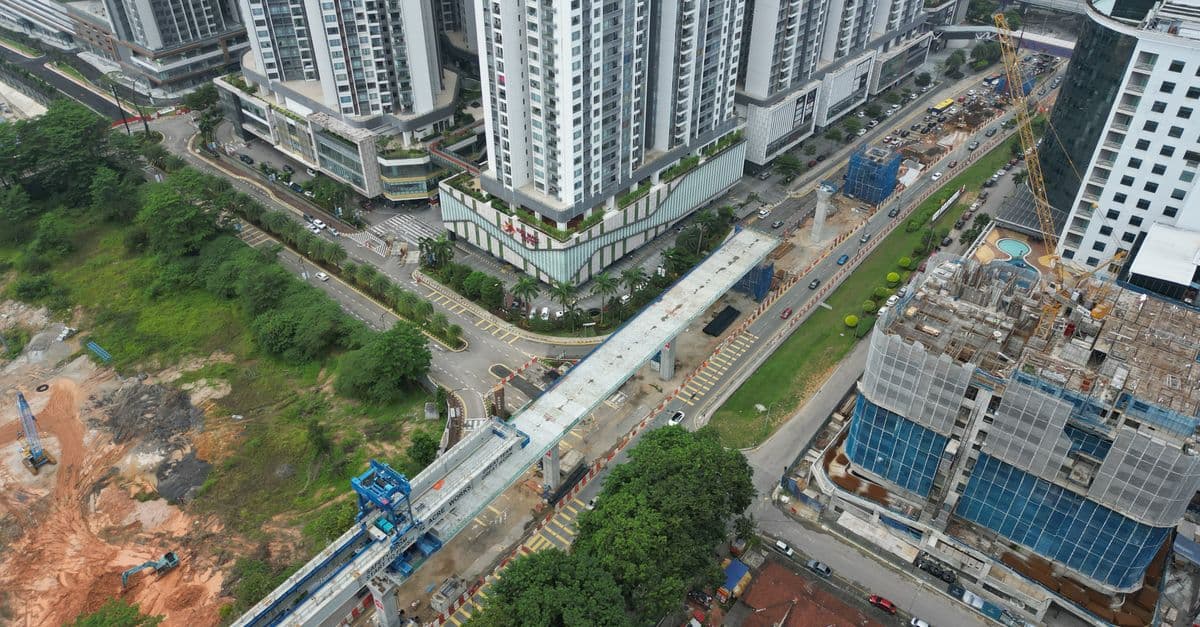
You'll conduct rigorous analyses of sites within transit influence zones, moving beyond generic TOD principles to develop strategies tailored to local ridership patterns, regulatory environments, and market demand. The framework integrates transit system performance data, physical site characteristics, and market readiness assessments to generate actionable recommendations that balance density, financial viability, and community impact—preventing the common pitfall of designing transit-friendly projects that underperform economically or trigger unintended displacement.
by agenmod
You can generate healthcare facility layouts that integrate FGI Functional Guidelines, ADA accessibility requirements, IBC building codes, and facility-specific infection control protocols from the start. The skill translates complex regulatory language into actionable spatial requirements, validates room configurations against overlapping codes, and identifies compliance gaps before costly redesigns occur. This approach accelerates permit review, ensures patient safety is embedded in foundational planning, and reduces value engineering conflicts.
by agenmod
You can conduct systematic compliance reviews of residential designs by analyzing them against local building codes, zoning ordinances, and accessibility standards. Claude interprets complex code language, identifies design conflicts, and recommends corrections—all documented for permitting submissions and plan review responses. This skill helps you catch violations before formal review, reducing costly redesigns and accelerating project approvals.
by agenmod