


Site Development Constraint Analyzer
Analyze site constraints and generate feasible development scenarios with permitting considerations
What You Can Do
You can input site conditions, regulatory requirements, and infrastructure limitations to receive a comprehensive constraint analysis that reveals decision hierarchies, identifies necessary trade-offs, and generates multiple feasible development scenarios. Claude documents constraint interactions, flags permitting risks, and provides decision rationale suitable for stakeholder presentations and regulatory submissions.
Features
Organizes site limitations by category (topography, environmental, utilities, access, codes) with severity ratings and interaction mapping
Creates 2-4 distinct development concepts that satisfy different constraint priorities and trade-off strategies
Identifies potential regulatory conflicts, required studies, and variance justifications before design advancement
Ranks competing requirements by impact and flexibility, showing which constraints are absolute vs. negotiable
Evaluates utility capacity, access adequacy, stormwater routing, and coordination needs across scenarios
Provides written justification for design choices and constraint trade-offs for regulatory narratives
Flags geotechnical, environmental, hydrologic, and traffic analysis needs by scenario
Maps constraints to relevant design disciplines and identifies coordination points
Example Output
Constraint Summary for 8-acre Industrial Site:
Critical Constraints (Non-Negotiable):
- Wetlands buffer zone: 50 ft setback reduces developable area by 15%
- Floodplain: 10% of site in 100-yr elevation, limits building locations
- Access: Single frontage on local road (25 ft sight distance adequate)
Scenario A: Maximize Development Footprint
- 65,000 sf building + 180 parking spaces
- Requires: Stormwater detention (1.2 acres), wetland mitigation, traffic impact study
- Risk: High cost, extended permitting (4-6 months)
Scenario B: Phased Development with Natural Features
- Phase 1: 35,000 sf building + preserved riparian buffer
- Preserves wetland connectivity, reduces stormwater burden
- Risk: Lower revenue per phase, extended timeline
Recommended Actions: Obtain wetland delineation, survey floodplain boundary, conduct Phase 1 geotechnical near proposed building locations
What's Included
- SKILL.md instruction file with constraint documentation framework and workflow steps:
- Constraint Categories Checklist: comprehensive list of site constraint types by discipline
- Development Scenario Template: structured format for scenario comparison (constraints satisfied, trade-offs, risks, permitting needs)
- Constraint Hierarchy Worksheet: ranking matrix for prioritizing competing requirements
- Stakeholder Presentation Outline: structure for communicating constraint analysis and scenario trade-offs
Who It's For
- Civil Engineers conducting site feasibility studies and constraint analysis
- Site Development Managers preparing development options for client review
- Project Engineers coordinating between design disciplines during early planning
- Planning & Entitlement Professionals building permitting strategies and regulatory narratives
- Land Development Consultants analyzing site suitability for investor or municipal stakeholders
Best For
- Initial site feasibility analysis before schematic design begins
- Complex or constrained sites with multiple competing requirements
- Development scenario comparison for client decision-making
- Permitting narrative preparation and regulatory justification
- Interdisciplinary coordination and constraint prioritization discussions
You might also like
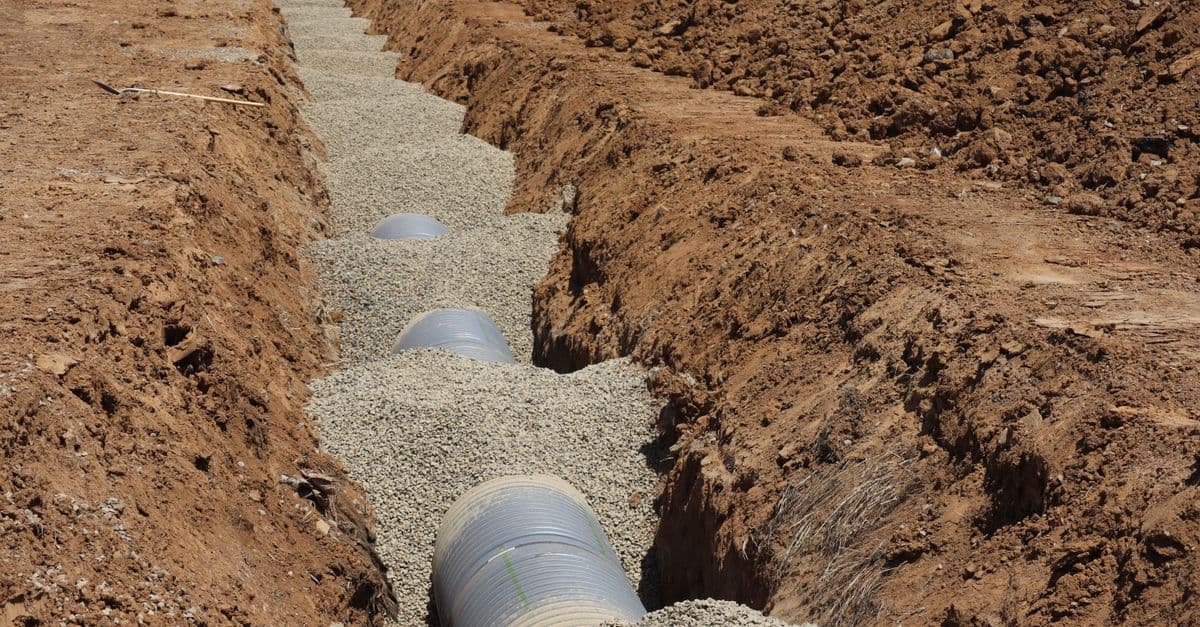
You can transform raw geotechnical field data into professional-grade site investigation reports that include soil classification using USCS standards, bearing capacity calculations, settlement predictions, and specific foundation design recommendations. The skill organizes stratigraphic information across multiple boring locations, cross-references laboratory test results, and produces defensible conclusions compliant with IBC, ASCE 7, and local building codes—suitable for building officials, structural engineers, and construction teams.
 by az9713
You can conduct comprehensive safety impact assessments for any transportation design intervention—from intersection redesigns to speed reduction corridors. The skill guides you through hazard identification, risk quantification using established methodologies (conflict studies, crash prediction models), and evidence-based mitigation development. You'll produce defensible safety documentation suitable for audits, litigation, and project approvals.
by az9713
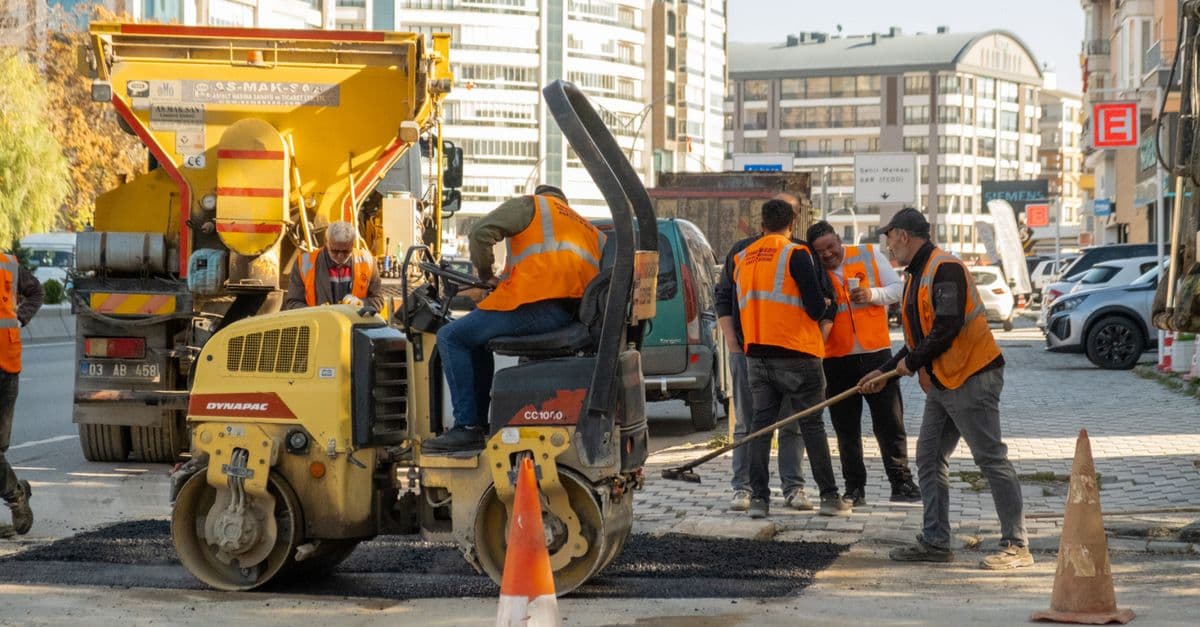
Quickly evaluate pavement design scenarios using AASHTO 1993 methodology to calculate required structural thickness for flexible (asphalt) and rigid (concrete) pavements. Analyze traffic loading by computing Equivalent Single Axle Loads (ESALs), assess subgrade conditions through CBR interpretation, and compare multiple design alternatives with different material combinations to optimize cost and performance. Generate preliminary design documentation with technical justification for client presentations and design reports.
by az9713
This skill cross-references your residential design specifications against jurisdiction-specific building codes (IBC, IRC, local amendments) to identify code violations, ambiguous details inspectors will challenge, and compliance documentation gaps. You can validate designs across multiple jurisdictions, evaluate design trade-offs (fire-rating vs. acoustic performance), and generate compliance narratives that support permit applications—all before formal submission.
by az9713
You can input room dimensions, functional requirements, and design constraints to receive optimized furniture layouts with documented traffic flow patterns and compliance verification. Claude analyzes competing spatial demands—usable area, sightlines, egress, zoning—and produces data-driven plans that satisfy functional, regulatory, and aesthetic objectives simultaneously. This accelerates initial space planning and helps identify conflicts before costly revisions.
by az9713
This skill deconstructs your writing samples to identify the specific patterns, personality markers, emotional range, language quirks, and formatting habits that make your voice uniquely yours. You'll receive a detailed voice DNA profile that includes your core communication style, signature phrases, emotional tone, formality level, and what you actively avoid—creating a blueprint that AI systems can use to replicate your authentic voice consistently across projects, platforms, and content types.
by az9713
Design earth retention systems by inputting soil properties, site geometry, and regulatory requirements. Claude calculates lateral earth pressures using Coulomb, Rankine, and Mononobe-Okabe methods, verifies factors of safety for internal and external stability, compares competing retention concepts (gravity walls, cantilever, anchored, sheet-pile, soil-nail), and generates cost-benefit analysis and regulatory documentation packages ready for permit submission.
by az9713
Query your local Screenpipe instance to retrieve screen recordings, audio transcriptions, UI element accessibility trees, keyboard/mouse input logs, and productivity analytics. You can search by keywords, filter by content type (audio, OCR, accessibility, input), set time ranges, and extract structured data about your applications, meetings, and work sessions without sending data to external servers.
by az9713