

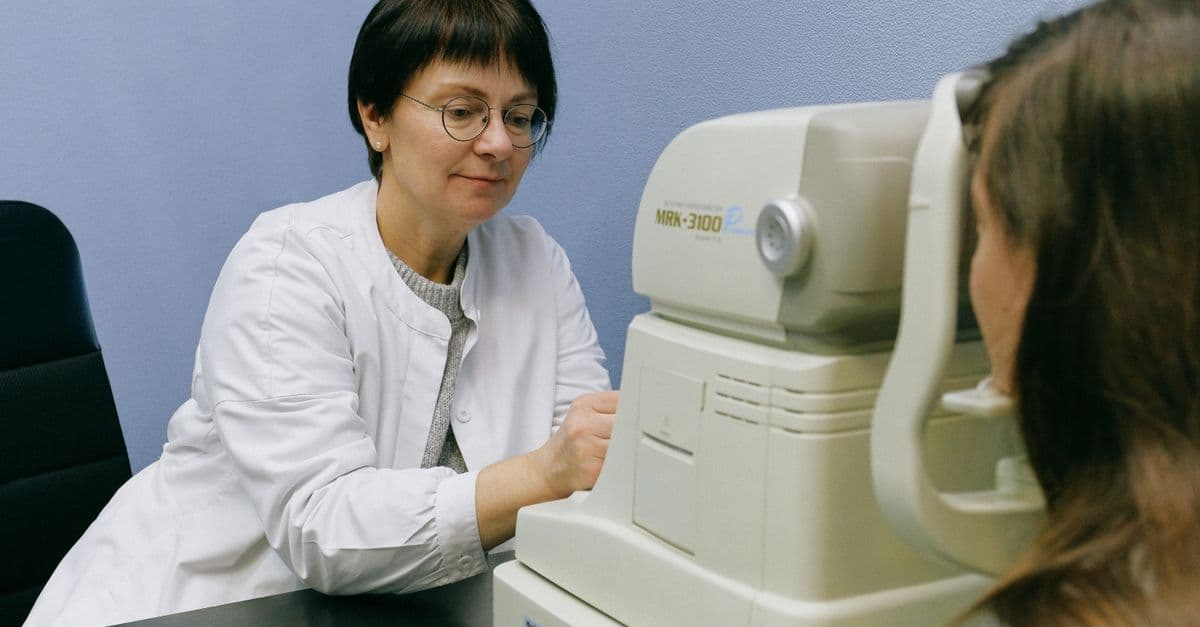
Comprehensive Eye Exam Documentation for Primary Care Optometry
Generate HIPAA-compliant comprehensive eye exam documentation in minutes
What You Can Do
You can generate complete, legally defensible clinical documentation for comprehensive eye examinations that captures refraction findings, biometry measurements, differential diagnoses, and patient counseling notes. The skill structures notes in formats compatible with most EHR systems, ensures HIPAA compliance, supports insurance pre-authorization and appeals, and reduces administrative time while maintaining clinical accuracy and medical-legal protection.
Features
automatically formats sphere, cylinder, axis, and visual acuity findings with clinical notation standards
structures ocular measurements (axial length, keratometry, anterior chamber depth) and calculation data for lens selection
generates differential diagnosis sections with ICD coding guidance and clinical reasoning documentation
documents counseling on presbyopia, dry eye disease, glaucoma risk, or contact lens care with compliance tracking
formats notes to support claim submission, pre-authorization requests, and appeals with required clinical justification
ensures protected health information formatting, audit trail compatibility, and confidentiality standards
produces notes in formats compatible with major electronic health record systems
structures documentation to withstand licensing board review or litigation scrutiny
Example Output
Example 1: Comprehensive New Patient Exam
CHIEF COMPLAINT: Routine eye exam
HISTORY OF PRESENT ILLNESS: 52-year-old established patient presents for annual comprehensive exam. Reports occasional blurred vision at distance, particularly when driving. Denies eye pain, flashes, or floaters.
REFRACTION: OD: +1.50 -0.75 x 180, VA 20/20-1 OS: +1.75 -0.50 x 175, VA 20/20
BIOMETRY: OD: AL 24.12mm, K readings 43.50 @ 180 / 44.00 @ 90, ACD 3.2mm OS: AL 24.35mm, K readings 43.25 @ 180 / 43.75 @ 90, ACD 3.3mm
ASSESSMENT & PLAN: OD/OS: Mild myopia, astigmatism. Patient counseled on presbyopic symptoms and reading options. Recommended computer glasses trial. Return PRN.
Example 2: Complex Case with Differential Diagnosis
CHIEF COMPLAINT: Blurred vision both eyes, 2 weeks duration
ASSESSMENT: Differential diagnosis documented:
- Anterior uveitis (2+ AC inflammation, posterior synechiae formation)
- Viral keratitis (punctate epithelial erosions noted)
- Secondary glaucoma risk given inflammatory burden
PLAN: Urgent referral to comprehensive ophthalmology for systemic workup, corticosteroid therapy initiation, and IOP monitoring.
What's Included
- SKILL.md instruction file with complete documentation protocols and compliance standards:
- Comprehensive exam template with refraction, biometry, and ocular health sections:
- Differential diagnosis framework for common eye exam findings:
- Patient education checklist for presbyopia, dry eye, and glaucoma counseling:
- Insurance documentation guide with pre-authorization and appeal language:
Who It's For
- Optometrists performing primary care comprehensive eye exams
- Optometry residents and students learning documentation standards
- Optometry clinic managers implementing consistent documentation protocols
- Independent optometrists managing their own EHR documentation workflow
- Optometry supervisors auditing clinical documentation quality and compliance
Best For
- New patient comprehensive eye examinations with complete clinical workup
- Complex refractive cases requiring detailed differential diagnosis
- Contact lens fitting documentation with clinical rationale
- Insurance pre-authorization and prior approval documentation
- Medical-legal documentation for licensing board or litigation review
You might also like

You can develop comprehensive differential diagnoses by anchoring on the chief complaint, applying systematic reasoning to competing diagnoses, and identifying red flags that suggest serious pathology. The skill helps you organize complex clinical information, prioritize diagnostic possibilities based on prevalence and risk, and document your reasoning for medicolegal protection and clinical clarity.
 by gptomics
You'll systematically evaluate patient risk factors, stratify perioperative risk using evidence-based frameworks, and generate detailed anesthesia plans that address specific comorbidities and procedural requirements. This skill helps you synthesize complex patient data—medical history, physical exam findings, lab work, imaging, and medication profiles—into actionable risk mitigation strategies that optimize patient safety and guide technique selection, drug choices, and monitoring protocols.
by gptomics
You synthesize current clinical evidence into structured protocols tailored to your specialty and institutional context. This skill helps you build physician-nurse collaborative decision frameworks, identify implementation barriers before rollout, and create adoption guides that account for resource constraints and stakeholder buy-in. You'll develop protocols ready for medical staff committees and bedside teams—not generic templates, but specialty-specific standards that bridge research and practice.
by gptomics
You construct methodical differential diagnoses using a validated three-tier framework that separates don't-miss conditions from high-probability and lower-probability diagnoses. Claude integrates patient context, vital data, and epidemiologic patterns specific to primary care settings to generate actionable diagnostic branches with targeted next steps for confirmation or exclusion of each condition.
by gptomics
You can systematically document refraction findings for low vision patients and generate prescriptions optimized for specific functional tasks like reading, mobility, and facial recognition. The skill calculates appropriate magnification ratios, predicts realistic visual outcomes, and creates comprehensive documentation that prioritizes quality of life over distance acuity—transforming conventional refraction into patient-centered, task-driven prescriptions.
by gptomics
Organize and validate patient parameters against clinical thresholds to generate customized contact lens fitting protocols. The skill systematizes complex fitting decisions for diverse refractive errors and corneal conditions, ensures regulatory compliance through built-in safety checks, and creates documented follow-up timelines based on individual risk factors. You get clinically justified lens parameter recommendations with transparent decision-making rationale suitable for patient records and staff training.
by gptomics
You can systematize contact lens fitting using structured clinical decision frameworks that accelerate patient selection, lens recommendations, and troubleshooting. This skill provides real-time access to candidacy assessment tools, lens selection logic for complex cases (keratoconus, post-refractive surgery, presbyopia, dry eye), and complaint resolution protocols—reducing chair time while maintaining clinical rigor and defensible documentation.
by gptomics
You can rapidly synthesize invasive hemodynamic monitoring, echocardiography, and lab data into coherent clinical assessments that guide inotrope and vasopressor selection specific to cardiac pathology. The skill helps you differentiate between pump dysfunction, volume status, and vasomotor tone problems to anticipate hemodynamic challenges at critical surgical transitions—from pre-bypass optimization through post-bypass weaning—and generate evidence-based pharmacologic reasoning suitable for documentation and peer review.
by gptomics