


Antenna Design and Performance Optimization
Design and optimize antennas for your RF requirements with instant analysis

What You Can Do
You can design antennas optimized for your specific frequency range and use case, then instantly analyze their predicted performance including gain, radiation patterns, and impedance characteristics. Get actionable recommendations for geometry refinements, matching networks, and feed methods tailored to your constraints. Transform RF design from guesswork into a methodical process with detailed parameter specifications ready for simulation or prototyping.
Features
Generate tailored antenna designs (dipoles, patches, horns, arrays) optimized for your target frequency and space constraints
Calculate key parameters including gain, directivity, radiation efficiency, and beamwidth without requiring simulation tools
Tune antenna dimensions for your specific frequency range from HF through mmWave bands
Analyze input impedance and design matching networks to achieve 50-ohm termination or custom impedance targets
Calculate element spacing, phasing, and configuration for multi-element antenna arrays with predictable beamsteering
Design coaxial feed, stripline, or waveguide feed architectures with calculated loss budgets and impedance transformation
Get guidance on dielectric constants, loss tangents, and conductor properties needed for your specific design
Generate CAD specifications and simulation parameter files ready for HFSS, CST, or NEC2 tools
Example Output
Example 1: Microstrip Patch Antenna Specification
Target Frequency: 2.4 GHz (WiFi)
Calculated Dimensions:
  Length: 38.5 mm
  Width: 31.2 mm
  Substrate: FR-4, εr=4.3, h=1.6mm
  Feed Location: (10mm, 12mm) from corner

Predicted Performance:
  Gain: 6.2 dBi
  Radiation Efficiency: 89%
  Bandwidth: 90 MHz (3.8%)
  Input Impedance: 50 ohms nominal
Example 2: Impedance Matching Recommendation
Your dipole design achieves 2.1 dBi gain but measures 75 ohms impedance. Suggested improvements:
- Shorten elements by 2% to lower impedance to 55 ohms
- Add 10.5 mm parallel stub at feed point (series compensated with 1.2 pF capacitor)
- Expected result: 50.3 ohm match with <1.1 VSWR
Example 3: Array Beamsteering Parameters
Uniform Linear Array (4-element, 2.4 GHz):
- Element Spacing: 62.5 mm (0.5 wavelength)
- Phase Taper for 30 degree beam steering: [0°, 62°, 124°, 186°]
- Expected Gain Improvement: +5.8 dB versus single element
- Sidelobe Level: -13 dB
What's Included
- Antenna Design Calculator: Generate geometry and parameter specifications for dipoles, patches, horns, slots, and other common antenna types
- Performance Analysis Worksheet: Predict gain, directivity, efficiency, bandwidth, and radiation patterns from design parameters
- Impedance Matching Designer: Calculate matching network components, stub dimensions, and feed architectures for your target impedance
- Array Configuration Tool: Design multi-element arrays with calculated spacing, phasing, and gain predictions
- Simulation Ready Specifications: Export antenna geometry, materials data, and feed parameters formatted for HFSS, CST, or NEC2
- Design Refinement Checklist: Systematic optimization steps to improve performance against size, bandwidth, and gain constraints
Who It's For
- RF Engineers
- Antenna Engineers and Designers
- Embedded Systems Engineers
- Aerospace and Defense Engineers
- Hardware Startups and Prototypers
Best For
- Antenna parameter calculation and dimension synthesis
- Design optimization for performance and compactness
- Impedance matching network design
- Multi-element array configuration and beamsteering
- Prototype planning and specification generation
You might also like

You get expert guidance on identifying and resolving electromagnetic compatibility issues in your designs. This skill helps you diagnose EMI sources, optimize shielding and grounding strategies, navigate regulatory requirements, and make data-driven design decisions that reduce testing cycles and ensure first-pass compliance.

Get expert guidance on troubleshooting VoIP and UC network problems, analyzing call quality metrics, and optimizing your phone system performance. Claude helps you identify root causes of audio quality issues, configure QoS policies, plan bandwidth allocation, and implement best practices for enterprise voice deployments. Reduce call failures, improve MOS scores, and maintain crystal-clear communications across your organization.

Upload or paste antenna simulation results, and Claude analyzes electrical characteristics to identify performance bottlenecks and recommend targeted optimizations. You get actionable design changes for gain improvement, impedance matching, radiation pattern refinement, and bandwidth expansion. The skill interprets industry-standard formats and translates complex electromagnetic data into engineering insights.

Calculate complete microwave link budgets including transmit power, antenna gains, path losses, noise figures, and system margins. Analyze RF component performance specifications, verify atmospheric conditions, and predict link availability. Generate structured design documentation with verification checklists and performance recommendations.
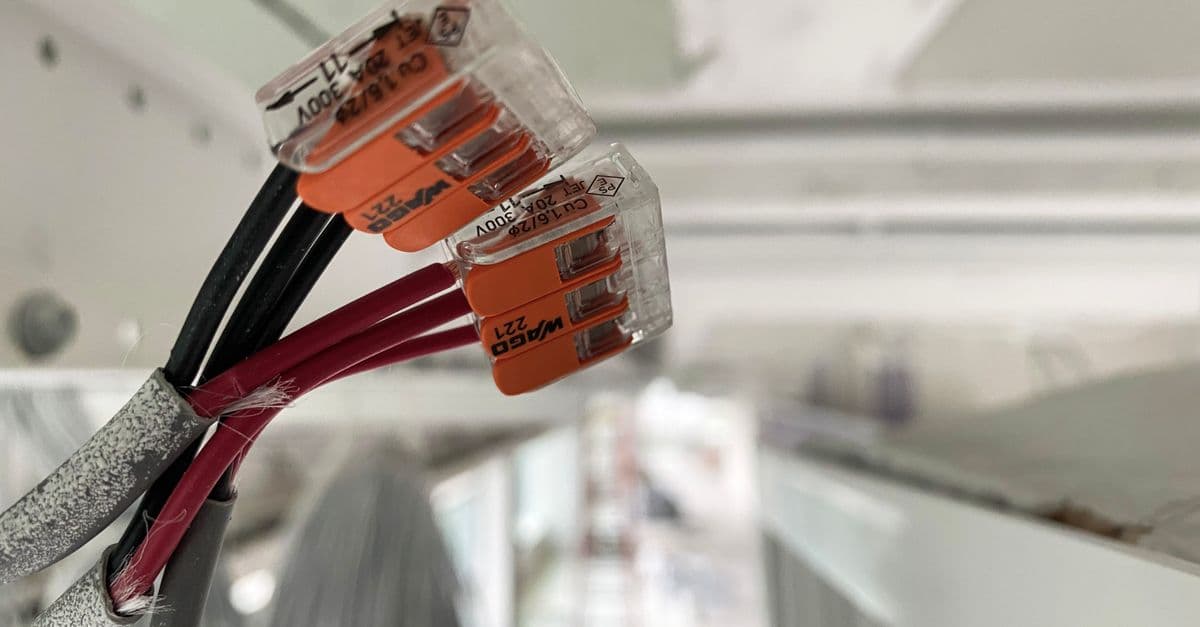
This skill evaluates fiber splice quality by analyzing loss measurements, identifying splicing defects, and providing actionable troubleshooting steps. You can assess splices against industry standards like Telcordia and ITU-T, diagnose root causes of high loss, and generate professional quality reports for audits and certifications.
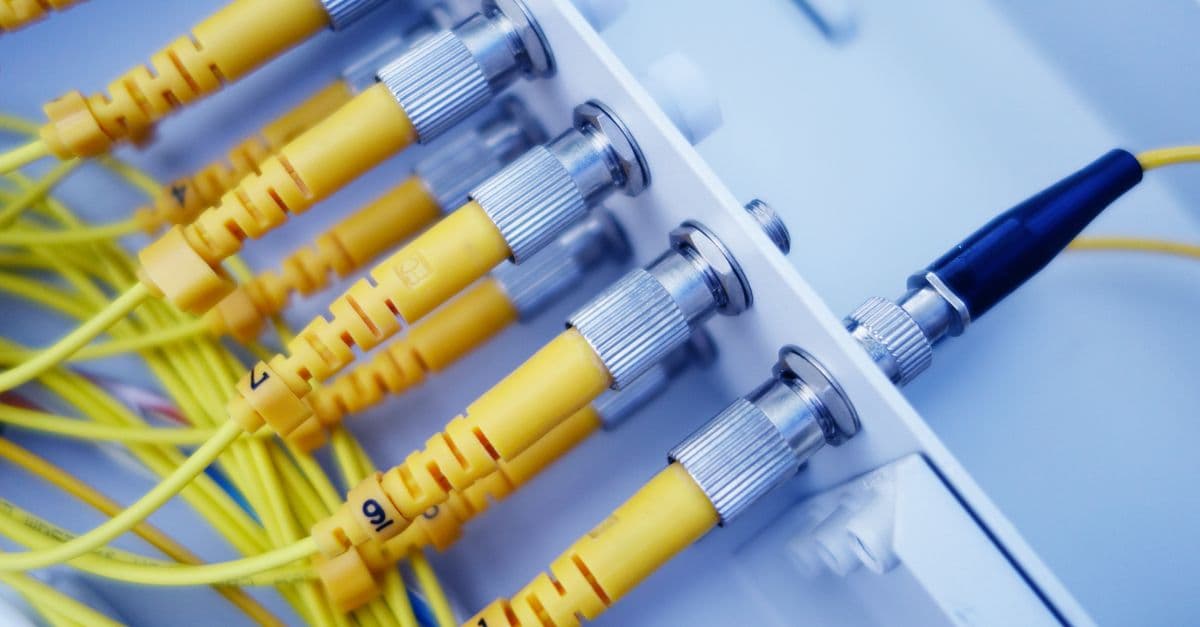
You can structure complex data center network designs from scratch by combining resilience frameworks, capacity models, and vendor comparison templates. You'll evaluate competing architectures based on cost, availability, latency, and scalability, then produce detailed decision documents that justify your design choices to stakeholders and engineering teams.

You can automate the reconciliation of product data across multiple dropship suppliers, identifying mismatches in pricing, inventory levels, product specifications, and compliance requirements. The skill flags critical data conflicts that could cause overselling, margin erosion, or policy violations—then generates prioritized remediation workflows to keep your marketplace listings accurate and compliant.

Design complete enterprise fiber optic networks with professional-grade topology planning, cable budgeting, and redundancy analysis. Get detailed equipment specifications, cost estimates, and implementation recommendations tailored to your site requirements. This skill handles everything from initial network layout through failover analysis, helping you create robust, scalable fiber infrastructure.