

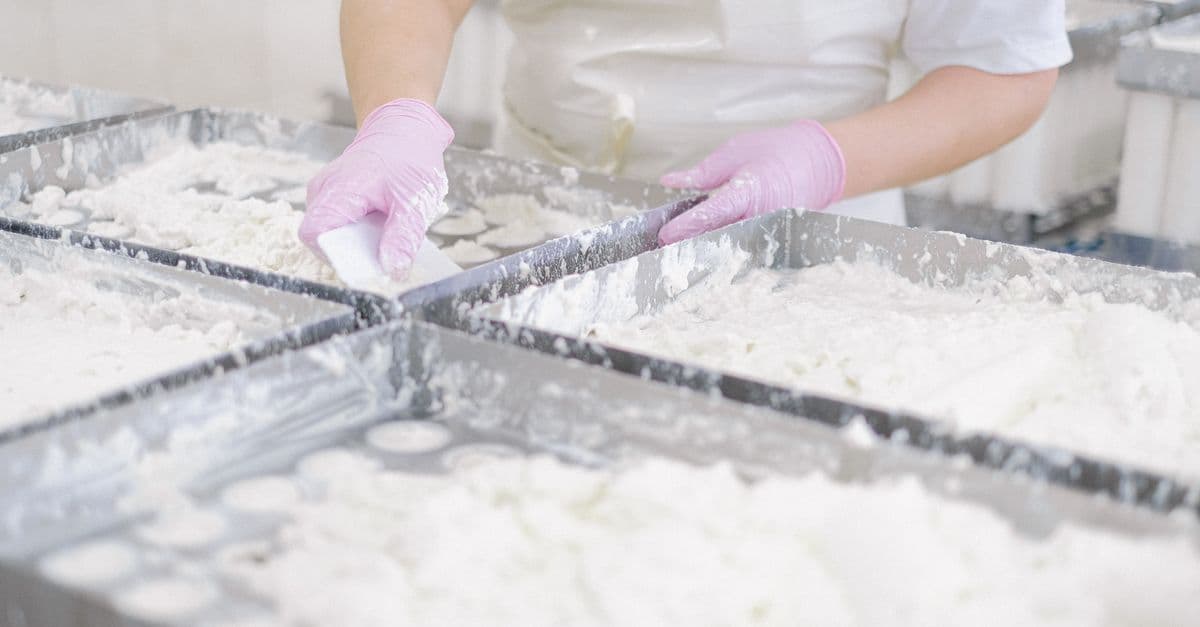
HACCP Plan Builder & Validator
Build and validate HACCP plans with operation-specific hazard analysis and critical control points
What You Can Do
You can create operation-specific HACCP plans that satisfy regulatory requirements (FSMA, GFSI, SQF, BRC) by analyzing your unique process flows, identifying biological/chemical/physical hazards, establishing science-based critical limits, and documenting defensible monitoring and corrective action procedures. This skill helps you translate regulatory principles into operational reality that your team can implement and auditors will accept.
Features
systematically identify biological, chemical, and physical hazards specific to your process flow and document scientific justification
apply decision logic to identify CCPs and distinguish them from control points using regulatory frameworks
document science-based time/temperature parameters, pH, water activity, and other measurable limits with regulatory citations
develop practical, verifiable monitoring schedules and methods that your team can execute
establish tiered corrective actions tied to monitoring results with clear decision trees and responsible parties
review and map your complete operation flow to ensure no hazards are missed and CCPs are correctly placed
ensure your plan meets current FSMA, GFSI, SQF, BRC, or other applicable standards
generate comprehensive HACCP documentation that satisfies third-party auditors and regulatory inspectors
Example Output
Example 1: Dairy Processing Operation
Hazard Identified: Pathogenic bacteria (Listeria monocytogenes) in raw milk
CCP Established: Pasteurization step
Critical Limit: 72°C for 15 seconds (High Temperature Short Time)
Monitoring: Continuous temperature recording with alarm thresholds; daily calibration verification
Corrective Action: If temperature drops below 71.5°C, hold product, investigate equipment, reprocess batch, and document root cause
Example 2: Ready-to-Eat Sandwich Manufacturing
Hazard Identified: Allergen cross-contamination (peanuts to tree nuts)
CCP Established: Ingredient receipt and storage segregation
Critical Limit: Physical separation of allergen zones; dedicated equipment for peanut products
Monitoring: Daily visual inspection of storage areas; monthly verification of cleaning procedures
Corrective Action: Quarantine potentially contaminated materials, notify QA, trace affected products, notify customers if distributed
What's Included
- SKILL.md: complete HACCP framework and implementation methodology
- Hazard Analysis Worksheet: structured template for identifying and evaluating biological, chemical, and physical hazards by process step
- CCP Decision Tree: decision logic tool to determine critical control points from potential control points
- Critical Limits Documentation Template: format for establishing and justifying science-based critical limits with regulatory references
- Monitoring & Corrective Action Plan: operational procedures for monitoring, verification, and documented corrective actions
- HACCP Plan Validation Checklist: audit-ready checklist against FSMA, GFSI, SQF, or BRC standards
Who It's For
- Food Safety Managers — developing and maintaining HACCP plans for regulatory compliance
- Quality Assurance Professionals — validating HACCP documentation and preparing for third-party audits
- Food Plant Operators — implementing preventive controls and monitoring procedures
- Compliance Officers — responding to regulatory findings and updating plans after process changes
- Food Service Directors — developing HACCP plans for manufacturing, processing, or institutional food service operations
Best For
- New HACCP plan development for food processing or manufacturing operations
- HACCP plan revision following equipment changes, ingredient sourcing changes, or process modifications
- Audit preparation and validation against FSMA, GFSI, SQF, or BRC standards
- Hazard analysis and critical control point identification with documented scientific justification
- Corrective action protocol documentation with clear decision trees and verification procedures
You might also like

Input your ingredient list with quantities and immediately receive detailed nutrient calculations, macro and micronutrient breakdowns, and regulatory compliance status across multiple jurisdictions. The skill flags missing nutrients, suggests fortification strategies, and recommends reformulation options to meet nutritional targets while maintaining cost efficiency and sensory properties.
 by adeline117
You can submit product formulations, ingredients, and labeling details to receive comprehensive compliance assessments across major international food regulatory bodies. The skill identifies specific gaps between your product and target market requirements, prioritizes remediation efforts by market opportunity, and generates actionable market-entry strategies with realistic timelines and resource estimates for each jurisdiction.
by adeline117
You can conduct rigorous texture evaluations that integrate descriptive sensory panels with instrumental measurements, ensuring consistency and consumer relevance. This skill guides you through descriptor standardization, panel training protocols, instrumental correlation workflows, and cross-functional communication of texture findings. You'll build validated texture specifications, troubleshoot texture defects with data-backed solutions, and benchmark competitive products against your standards.
by adeline117
You can rapidly assess ingredient lists for nutritional completeness, calculate protein quality scores (DIAAS, PDCAAS), evaluate nutrient-nutrient interactions, identify fortification opportunities, and generate compliant nutrition labels. The skill helps you optimize formulations against USDA, FDA, EFSA, and Codex Alimentarius standards before lab testing, saving time and resources in product development.
by adeline117
You can transform raw sensory data and consumer feedback into standardized flavor architectures that drive formulation decisions. This skill systematizes descriptive analysis results, models how ingredient combinations create emergent flavor characteristics, and translates preference data into actionable formulation adjustments. You'll create evidence-based flavor briefs that align R&D and marketing stakeholder expectations while documenting flavor architecture for regulatory compliance.
by adeline117
You can conduct rigorous allergen risk assessments that map allergen flow paths through facility design, equipment shared-use patterns, and personnel movement. This skill quantifies cross-contamination probability at each control point, prioritizes intervention investments based on risk severity, and produces audit-ready documentation demonstrating due diligence to regulators and third-party auditors.
by adeline117
You can submit marketing copy, label claims, or advertising language and receive a structured compliance assessment that maps claims against FDA/FTC guidance, state regulations, and case law. The skill identifies claim type (health claim, structure-function claim, comparative claim, etc.), flags regulatory risks across jurisdictions, assesses substantiation strength, and recommends revisions to reduce enforcement exposure. This accelerates claim review workflows and prevents costly post-launch violations.
by adeline117
You can design and execute professional texture profiling studies that decompose complex mouthfeel characteristics into measurable, reproducible dimensions. This framework guides you through panelist training with calibrated reference scales, standardized texture vocabulary, data collection protocols, and translation of sensory results into actionable product specifications that R&D and quality control can implement and monitor.
by adeline117