

Sustainable Material Lifecycle Analyzer
Evaluate embodied carbon and lifecycle costs of building materials
What You Can Do
You can compare building materials across embodied carbon, water usage, recyclability, supply chain impacts, and lifecycle costs—all grounded in industry standards like EN 15804 and ISO 14040/44. This skill transforms material selection from intuition-based guessing into data-driven specification, producing analysis outputs ready for client presentations, value engineering discussions, and regulatory compliance documentation.
Features
quantify and compare cradle-to-gate carbon emissions across material options
evaluate total cost of ownership including initial material cost, maintenance, replacement, and end-of-life disposal
compile water usage, recyclability rates, supply chain transparency, and third-party certifications into comparative summaries
cross-reference material selections against green building standard requirements and point-earning opportunities
identify where premium sustainable materials deliver ROI through energy performance or longevity gains
generate material requirements for consultant RFPs and bidding processes
produce defensible environmental justifications suitable for stakeholder buy-in and regulatory submissions
Example Output
Example 1: Structural Framing Comparison
| Material | Embodied Carbon (kg CO2e/ton) | Lifecycle Cost ($/sf) | Recyclability | LEED MR Credit |
|---|---|---|---|---|
| Steel (Recycled) | 1.2–1.8 | $8.50 | 98% | ✓ Regional Material |
| Mass Timber | 0.3–0.6 | $12.00 | 85% | ✓ Rapidly Renewable |
| Concrete (20% SCM) | 0.35–0.45 | $6.25 | 60% | ✓ Material Ingredient |
Recommendation: Mass timber delivers 70% lower embodied carbon at 40% lifecycle cost premium, earning 2 LEED MR points and supporting carbon-neutral targets.
Example 2: Exterior Insulation Analysis
Comparison of mineral wool, cork, and bio-based polyurethane for thermal envelope retrofit. Output includes: R-value per embodied carbon kg, fire/moisture rating alignment, sourcing transparency (SFI, FSC cert status), replacement intervals, and WELL credit eligibility.
What's Included
- SKILL.md instruction file with industry standards integration (EN 15804, ISO 14040/44, LEED v4.1, WELL Building Standard):
- Material comparison matrix template: embodied carbon, lifecycle cost, and environmental metrics
- Supply chain transparency checklist: third-party certifications and sourcing verification
- Client presentation framework: sustainability narrative structure for stakeholder communication
- Value engineering workflow: methodology for comparing premium sustainable materials against baseline cost/performance trade-offs
Who It's For
- Architects specializing in sustainable design and net-zero buildings
- Specification writers and technical architects developing material criteria
- Sustainability consultants preparing LEED, WELL, and Living Building Challenge documentation
- Design team leaders conducting material strategy workshops and value engineering sessions
- Project managers justifying green material premiums to cost-conscious clients and stakeholders
Best For
- Schematic design material strategy development and early-stage alternatives analysis
- Comparative material evaluation for structural, envelope, and finish systems
- LEED MR credit optimization and environmental performance documentation
- Client RFI responses and sustainability narrative development
- Value engineering focused on environmental rather than cost alone
You might also like
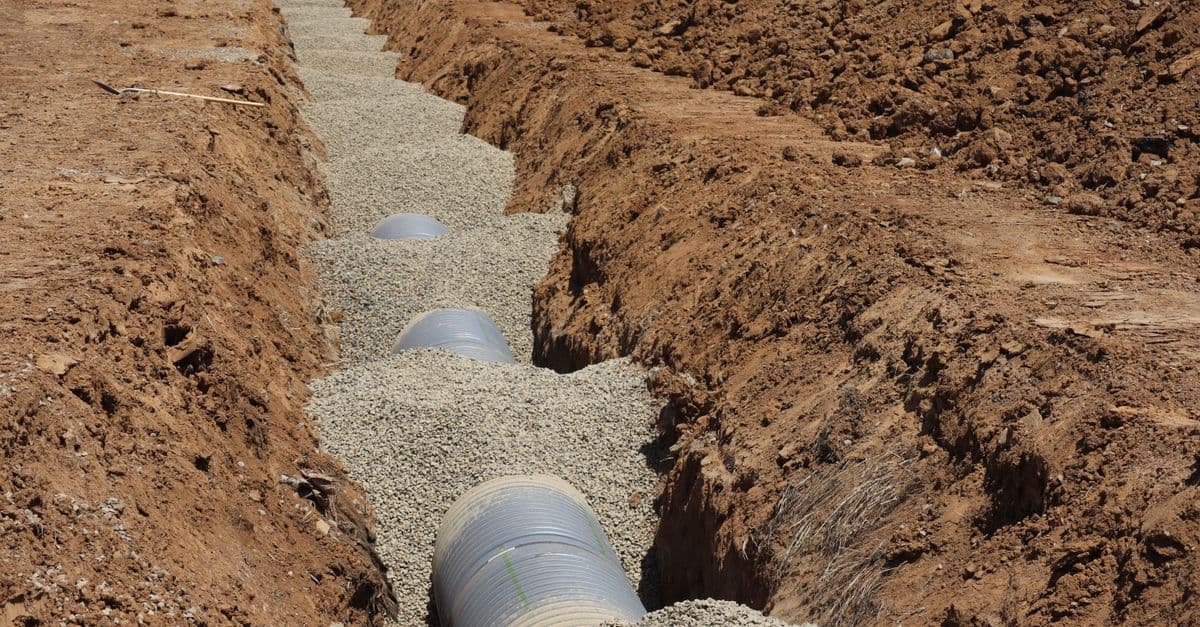
You can transform raw geotechnical field data into professional-grade site investigation reports that include soil classification using USCS standards, bearing capacity calculations, settlement predictions, and specific foundation design recommendations. The skill organizes stratigraphic information across multiple boring locations, cross-references laboratory test results, and produces defensible conclusions compliant with IBC, ASCE 7, and local building codes—suitable for building officials, structural engineers, and construction teams.
 by az9713

You can conduct comprehensive safety impact assessments for any transportation design intervention—from intersection redesigns to speed reduction corridors. The skill guides you through hazard identification, risk quantification using established methodologies (conflict studies, crash prediction models), and evidence-based mitigation development. You'll produce defensible safety documentation suitable for audits, litigation, and project approvals.
by az9713
Quickly evaluate pavement design scenarios using AASHTO 1993 methodology to calculate required structural thickness for flexible (asphalt) and rigid (concrete) pavements. Analyze traffic loading by computing Equivalent Single Axle Loads (ESALs), assess subgrade conditions through CBR interpretation, and compare multiple design alternatives with different material combinations to optimize cost and performance. Generate preliminary design documentation with technical justification for client presentations and design reports.
by az9713
This skill cross-references your residential design specifications against jurisdiction-specific building codes (IBC, IRC, local amendments) to identify code violations, ambiguous details inspectors will challenge, and compliance documentation gaps. You can validate designs across multiple jurisdictions, evaluate design trade-offs (fire-rating vs. acoustic performance), and generate compliance narratives that support permit applications—all before formal submission.
by az9713
You can input room dimensions, functional requirements, and design constraints to receive optimized furniture layouts with documented traffic flow patterns and compliance verification. Claude analyzes competing spatial demands—usable area, sightlines, egress, zoning—and produces data-driven plans that satisfy functional, regulatory, and aesthetic objectives simultaneously. This accelerates initial space planning and helps identify conflicts before costly revisions.
by az9713
This skill deconstructs your writing samples to identify the specific patterns, personality markers, emotional range, language quirks, and formatting habits that make your voice uniquely yours. You'll receive a detailed voice DNA profile that includes your core communication style, signature phrases, emotional tone, formality level, and what you actively avoid—creating a blueprint that AI systems can use to replicate your authentic voice consistently across projects, platforms, and content types.
by az9713
Design earth retention systems by inputting soil properties, site geometry, and regulatory requirements. Claude calculates lateral earth pressures using Coulomb, Rankine, and Mononobe-Okabe methods, verifies factors of safety for internal and external stability, compares competing retention concepts (gravity walls, cantilever, anchored, sheet-pile, soil-nail), and generates cost-benefit analysis and regulatory documentation packages ready for permit submission.
by az9713
Query your local Screenpipe instance to retrieve screen recordings, audio transcriptions, UI element accessibility trees, keyboard/mouse input logs, and productivity analytics. You can search by keywords, filter by content type (audio, OCR, accessibility, input), set time ranges, and extract structured data about your applications, meetings, and work sessions without sending data to external servers.
by az9713