


Workstation Ergonomic Assessment & Intervention Generator
Generate OSHA-aligned ergonomic assessments and intervention plans for workplace injury prevention
What You Can Do
You can rapidly generate detailed ergonomic assessments that identify postural risk factors, quantify biomechanical strain, and deliver actionable workstation modifications. This skill produces professional reports suitable for corporate clients, individual employees, and workers' compensation documentation, reducing your manual documentation time while ensuring consistency and clinical depth across assessments.
Features
Systematically evaluates neck, shoulder, lumbar spine, and extremity positioning against OSHA and ergonomic standards
Calculates repetitive motion exposure, static posture duration, and cumulative strain risk using evidence-based metrics
Tailors evaluations to industry type (data entry, manufacturing, healthcare, warehouse) with role-specific risk factors
Generates prioritized, actionable modifications addressing equipment, furniture, workstation layout, and behavioral adjustments
Ensures all recommendations adhere to OSHA standards for ergonomic hazard controls and documentation requirements
Creates measurement frameworks and reassessment timelines to track intervention effectiveness over time
Produces worker-facing ergonomic education materials and postural correction guidance for behavior change support
Generates executive-level recommendations for equipment purchases, workspace redesign, and organizational ergonomic program development
Example Output
Example 1: Data Entry Workstation Assessment
Employee Role: Customer Service Representative (8-hour shifts)
Risk Factors Identified:
- Monitor height 4 inches above eye level → increased cervical extension strain
- Keyboard 2 inches higher than elbow rest → elevated shoulder girdle tension
- Chair lumbar support absent → L4-L5 disc compression during prolonged sitting
Intervention Recommendations: ✓ Monitor arm: adjust to eye level (reduce cervical strain by ~30%) ✓ Keyboard tray: lower 2 inches with negative tilt (reduce shoulder load) ✓ Lumbar support cushion: add 2-inch foam roll (restore neutral spine) ✓ 30-minute movement breaks: implement hourly (interrupt cumulative load)
Compliance Status: Meets OSHA General Duty Clause ergonomic standards
Example 2: Manufacturing Floor Workstation
Risk Factors: Repetitive overhead reaching (400+ cycles/shift), awkward trunk rotation, pinch grip force on small components
Intervention Priority: High — musculoskeletal disorder risk in top 15% of job category
Recommendations: Workstation height adjustment, component positioning at chest level, anti-fatigue mat installation, grip tool provision, job rotation protocol
Re-assessment Timeline: 4 weeks post-intervention
What's Included
- SKILL.md instruction file with assessment protocols and OSHA compliance frameworks:
- Workstation Assessment Template: Standardized evaluation checklist covering postural angles, equipment configuration, and risk stratification
- Intervention Recommendation Framework: Prioritized modification guidance with implementation cost estimates and effectiveness metrics
- Job-Specific Risk Matrices: Pre-built assessment protocols for common occupational settings (office, manufacturing, healthcare, warehouse)
- OSHA Compliance Checklist: Documentation requirements and regulatory alignment verification for employer reporting
- Follow-Up Assessment Protocol: Measurement timelines and effectiveness tracking metrics for intervention success validation
Who It's For
- Chiropractors specializing in occupational health and work-related injury prevention
- Corporate wellness coordinators conducting on-site ergonomic programs
- Occupational health consultants developing preventive workplace initiatives
- Workers' compensation case managers documenting baseline ergonomic status
- Human Resources professionals managing workplace injury reduction programs
Best For
- On-site ergonomic audits for corporate and manufacturing clients
- Individualized workstation modification plans for employees with work-related musculoskeletal disorders
- Preventive ergonomic program development for high-risk departments
- Employer recommendations for equipment purchases and workspace redesign
- Documentation and follow-up assessments for workers' compensation tracking
You might also like
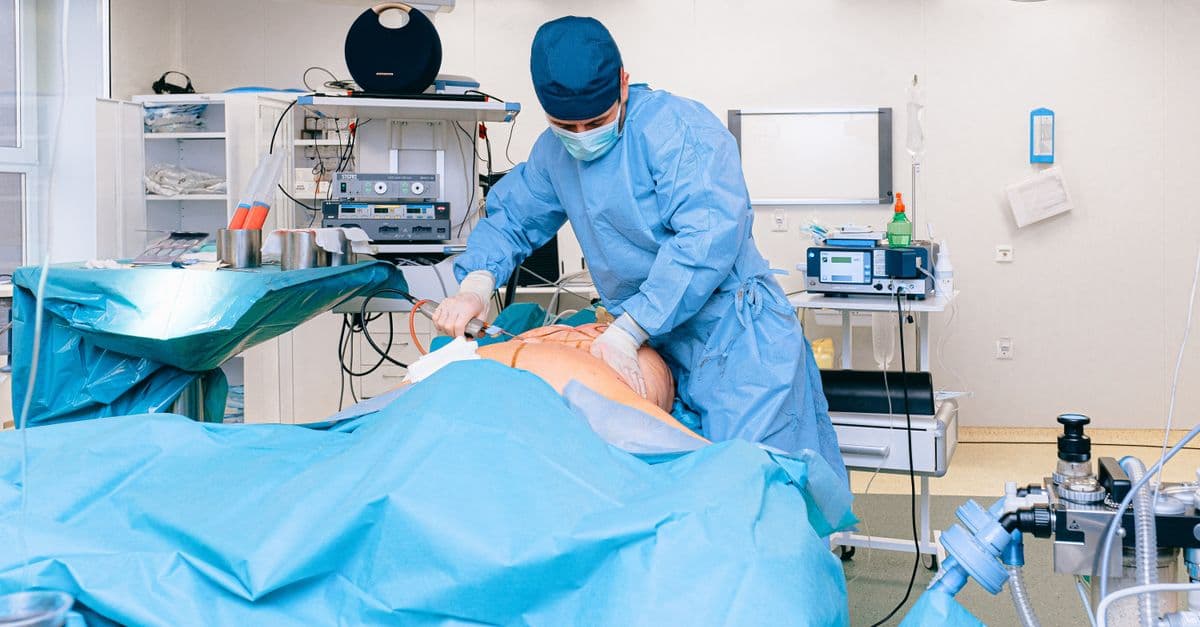
You conduct comprehensive pre-operative risk stratification using ASA classification, Revised Cardiac Risk Index (RCRI), and procedure-specific risk tools to quantify operative risk across physiologic systems. You systematically identify modifiable risk factors—anemia, hypertension, glucose dyscontrol, cardiac dysfunction—and implement targeted optimization protocols to reduce preventable complications. You generate objective, evidence-backed assessments that strengthen informed consent discussions, support case selection decisions, and create defensible documentation for shared decision-making with patients and surgical teams.
 by gptomics

You'll systematically evaluate patient risk factors, stratify perioperative risk using evidence-based frameworks, and generate detailed anesthesia plans that address specific comorbidities and procedural requirements. This skill helps you synthesize complex patient data—medical history, physical exam findings, lab work, imaging, and medication profiles—into actionable risk mitigation strategies that optimize patient safety and guide technique selection, drug choices, and monitoring protocols.
by gptomics
You can rapidly develop theoretically-grounded case formulations that integrate diagnostic findings, historical context, and clinical observations into a coherent narrative. The skill systematizes your conceptualization across multiple therapeutic modalities (CBT, psychodynamic, trauma-informed, systemic) and generates structured treatment plans with specific goals, interventions, and prognostic considerations—ideal for supervision presentations, case conferences, documentation, and complex diagnostic scenarios.
by gptomics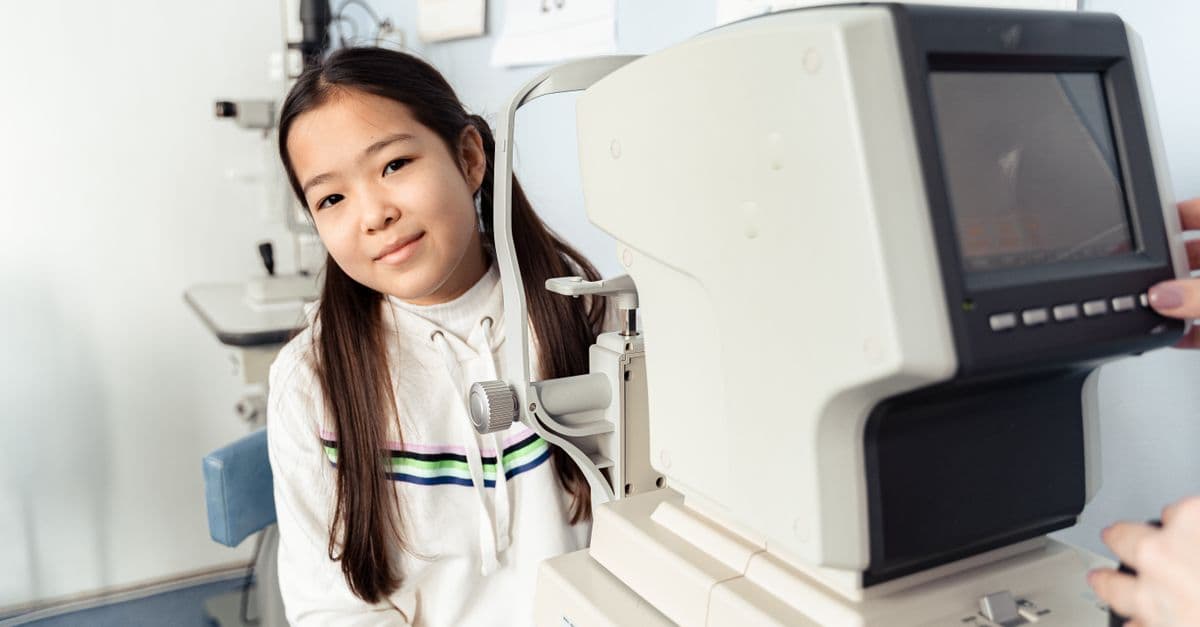
You can systematically document refraction findings for low vision patients and generate prescriptions optimized for specific functional tasks like reading, mobility, and facial recognition. The skill calculates appropriate magnification ratios, predicts realistic visual outcomes, and creates comprehensive documentation that prioritizes quality of life over distance acuity—transforming conventional refraction into patient-centered, task-driven prescriptions.
by gptomics
You can rapidly analyze multifaceted surgical presentations—including revision cases, comorbidities, and combined pathology—to develop defensible pre-operative plans and detailed operative notes. The skill synthesizes clinical findings with imaging data, stratifies surgical risk, selects technique-specific approaches, and produces documentation that withstands peer review and quality audits.
by gptomics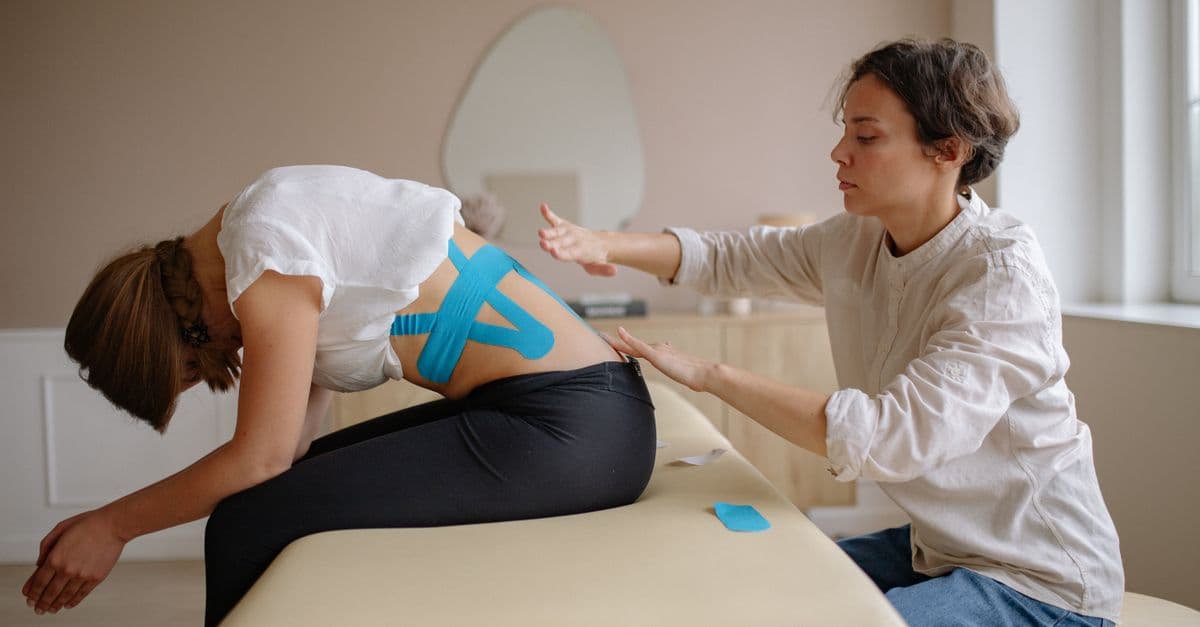
You can perform structured sports injury evaluations that incorporate mechanism-of-injury analysis, orthopedic special testing, functional movement screening, and clear referral criteria. The skill helps you differentiate soft tissue restrictions from joint dysfunctions, establish baseline function, and create evidence-based return-to-play milestones tailored to the athlete's sport and position. You'll generate documentation suitable for insurance records, team physician communication, and liability protection.
by gptomics
You can conduct comprehensive subluxation assessments on pediatric patients by integrating structural examination findings, functional limitations, parental observations, and neurological indicators within a developmental context. Claude helps you correlate specific subluxations to presenting complaints (colic, ear infections, torticollis, scoliosis patterns) and create objective documentation suitable for insurance, medical records, and referral purposes. You'll develop age-appropriate treatment plans that address both the subluxation and the child's unique physiological stage.
by gptomics
You can systematically generate ranked differential diagnoses for presenting complaints (chest pain, dyspnea, abdominal pain, headache, joint pain, fatigue) by applying evidence-based clinical decision rules and risk stratification. The skill helps you identify red flags that change management priority, justify test selection to supervising physicians, and document diagnostic reasoning in the medical record while reducing anchoring bias and ensuring comprehensive consideration of serious diagnoses.
by gptomics